
There's a moment — right after you lower yourself into an ice bath — where every instinct screams at you to get out. Your breath catches, your muscles tense, and your brain fires off a thousand alarm bells. And then, something shifts. Your breathing slows, your mind clears, and a deep, almost meditative calm takes over. That's not just willpower. That's cold water therapy doing exactly what it's designed to do.
Across Australia, from elite AFL clubs to suburban backyards, the cold plunge has gone from a fringe recovery ritual to a mainstream wellness practice. And for good reason — the science is stacking up, and the results speak for themselves. Let's break down exactly what cold plunge therapy does to your body and mind, and why it might be the most powerful recovery tool you're not yet using.
What Happens to Your Body in a Cold Plunge?
When you immerse yourself in cold water — typically between 10°C and 15°C — your body triggers a rapid, full-system physiological response. Understanding this cascade is key to appreciating why cold plunge therapy delivers such remarkable results.
1. Vasoconstriction and Cardiovascular Response
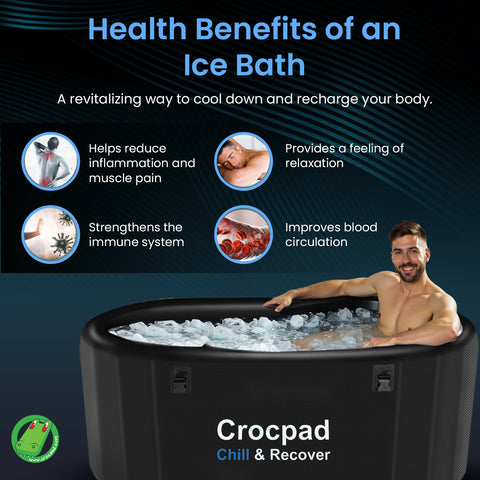
The moment cold water hits your skin, your blood vessels constrict (vasoconstriction). Blood is redirected away from your extremities and towards your vital organs to protect core temperature. When you exit the cold plunge, those blood vessels dilate again in a process called the "rewarming flush." This rhythmic constriction and dilation acts like a pump for your cardiovascular system, improving circulation and helping flush metabolic waste products — like lactic acid — from your muscles.
2. Norepinephrine Surge
One of the most well-documented effects of cold water immersion is a dramatic spike in norepinephrine — a hormone and neurotransmitter that plays a critical role in focus, mood, and pain reduction. Research from Dr. Andrew Huberman at Stanford and studies published in peer-reviewed journals suggest norepinephrine can increase by 200–300% after a cold plunge. This explains the characteristic post-plunge "buzz" that practitioners describe.
3. Reduced Inflammation and Muscle Soreness
Cold water therapy is highly effective at reducing delayed onset muscle soreness (DOMS). The reduction in tissue temperature slows down the inflammatory process, limiting swelling and cell damage in muscle fibres stressed during exercise. A 2022 meta-analysis in the British Journal of Sports Medicine found cold water immersion to be significantly more effective than passive recovery at reducing DOMS in the 24–96 hours post-exercise.
The Mental Health Benefits Are Just as Powerful
The physical benefits alone are compelling, but many devoted cold plungers will tell you the mental shift is what keeps them coming back every morning.
Stress Resilience and Anxiety Reduction
Deliberately exposing yourself to cold is a form of controlled stress — what scientists call "hormetic stress." Regular cold exposure trains your nervous system to handle discomfort more efficiently, effectively raising your stress threshold in everyday life. Many practitioners report significant reductions in generalised anxiety, a calmer default state, and improved emotional regulation.
Mood Elevation and Dopamine
Cold plunging triggers a sustained release of dopamine — not the short, sharp spike you get from a social media scroll, but a gradual, long-lasting elevation that can persist for hours. This is why so many people who cold plunge in the morning describe feeling sharper, more motivated, and more positive throughout the rest of their day.
Mindfulness and Mental Toughness
Getting into cold water is an act of deliberate discomfort. It requires you to be present — there's no room for distraction when your body is demanding every ounce of your attention. Over time, this practice cultivates a powerful sense of mental toughness and self-efficacy. You become someone who does hard things by choice, and that identity ripples out into every other area of your life.
Cold Plunge Benefits for Athletes
Australian athletes — from surf lifesavers and triathletes to CrossFit competitors and weekend warriors — are increasingly incorporating cold water therapy into their structured recovery protocols. Here's why:
- Faster muscle recovery: Reduces DOMS and returns athletes to training sooner, allowing higher training frequency.
- Reduced injury risk: By managing inflammation and improving circulation, regular cold plunging may reduce the cumulative stress that leads to overuse injuries.
- Sleep quality improvement: Lowering core body temperature post-exercise via cold immersion aligns with the body's natural sleep onset mechanism, leading to deeper, more restorative sleep.
- Performance edge: The norepinephrine boost sharpens focus and reaction time, useful before competition or a heavy training session.
- Immune system support: Regular cold exposure has been associated with increased white blood cell counts and improved immune response, keeping athletes healthy through long seasons.
Whether you're training for your next marathon along the Great Ocean Road or recovering from a big weekend footy game, cold water immersion slots seamlessly into your existing recovery routine.
How to Get Started with Cold Plunge Therapy
The barrier to entry for cold plunge therapy has never been lower, especially with the range of purpose-built ice baths now available for home use. Here's a simple framework to get started safely and effectively:
Step 1: Start with Cold Showers
If you're brand new to cold exposure, begin by finishing your regular shower with 30–60 seconds of cold water. Gradually increase the duration over one to two weeks until you're comfortable with 2–3 minutes of cold water exposure.
Step 2: Invest in a Quality Ice Bath
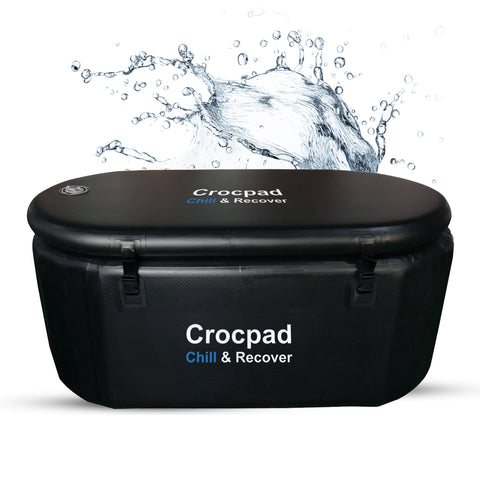
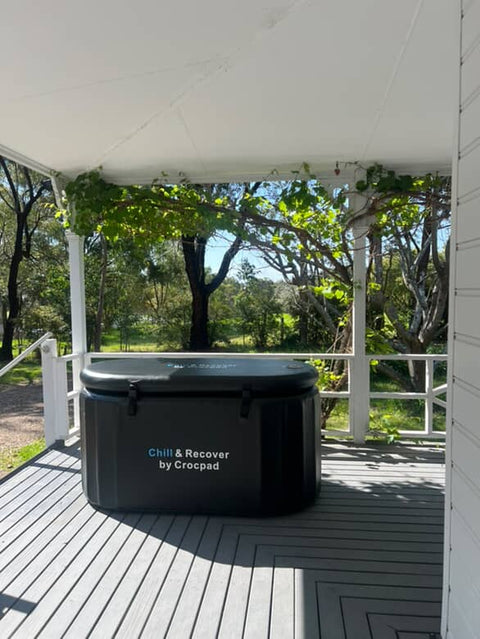
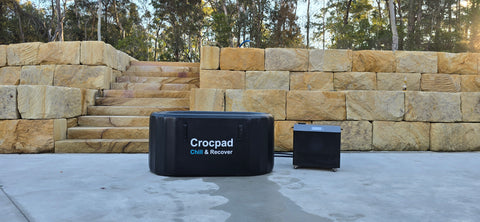
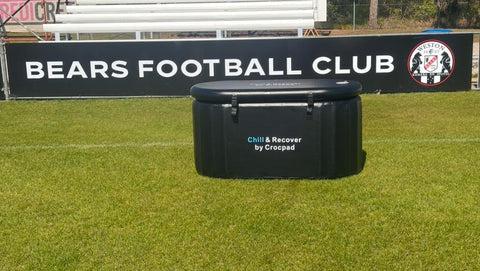
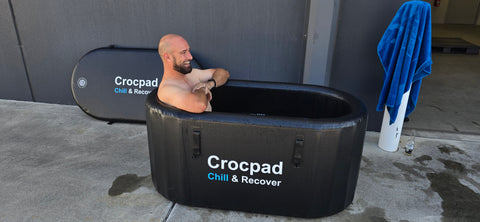
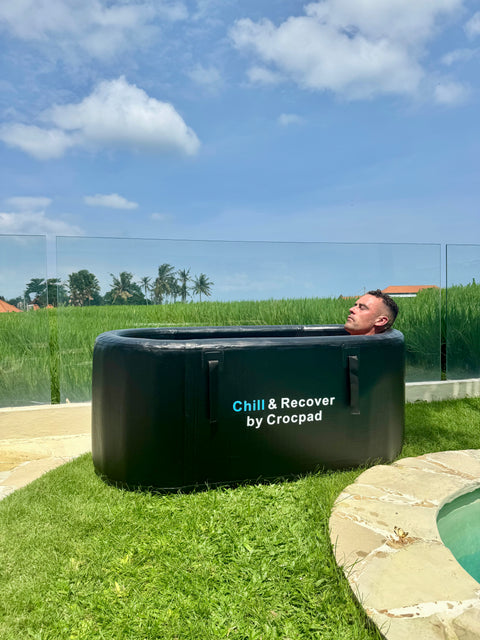
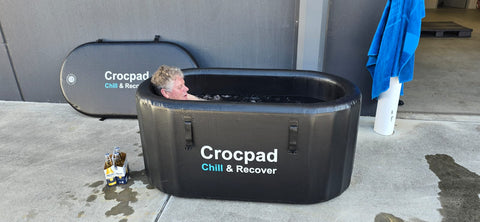
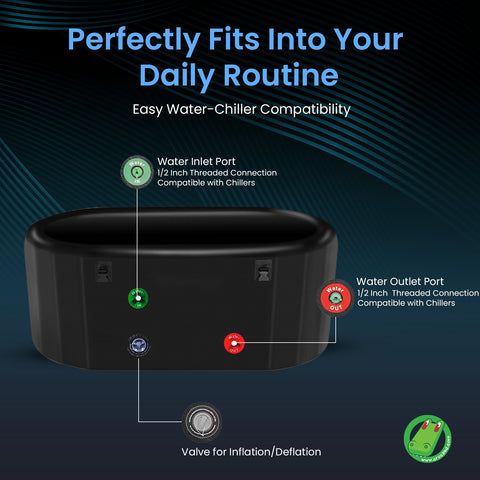
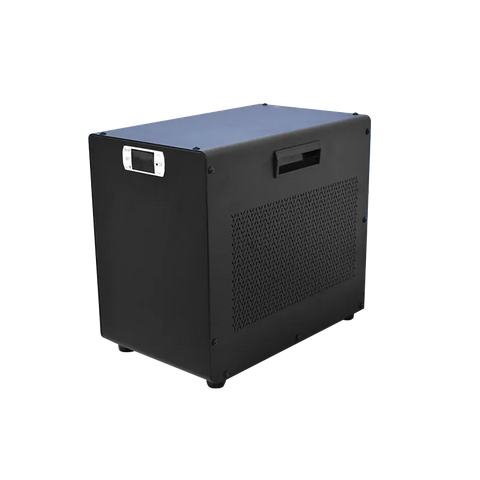
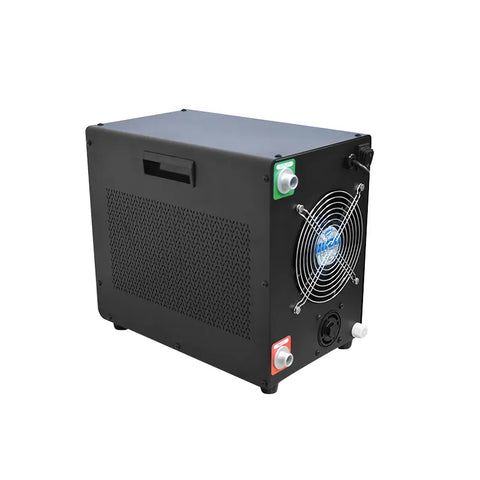
A cold shower is a great starting point, but full-body immersion delivers significantly more pronounced benefits due to the greater surface area exposed to cold. The gold standard for home recovery is a purpose-built ice bath from Crocpad. Our ice baths are designed for Australian conditions — durable, easy to fill and drain, and spacious enough for full-body immersion. No need for a chest freezer, bags of ice, or jury-rigged wheelie bins.
Step 3: Nail Your Temperature and Duration
For most people, the sweet spot is:
- Temperature: 10°C–15°C
- Duration: 3–10 minutes per session
- Frequency: 3–5 times per week for recovery; daily for general wellness and mental health benefits
More is not always better. Exceeding 15 minutes in very cold water increases hypothermia risk and can blunt the adaptive response you're trying to stimulate. Listen to your body.
Step 4: Time It Right
If your primary goal is muscle recovery, plunge within 30–60 minutes of training. If you're using cold exposure primarily for mental health and mood, a morning plunge before breakfast is highly effective. Avoid cold immersion immediately before strength training sessions, as some research suggests it may temporarily blunt the hypertrophic (muscle-building) response.
Step 5: Breathe and Stay Calm
Control your breathing from the moment you step in. Slow, deliberate exhales signal safety to your nervous system and help override the initial gasp reflex. Many practitioners use box breathing (inhale 4 counts, hold 4, exhale 4, hold 4) or Wim Hof-style breathwork before entering to prime their nervous system.
Cold Plunge Safety: What Every Australian Needs to Know
Cold water therapy is safe for the vast majority of healthy adults, but there are important precautions to keep in mind:
- Never plunge alone if you're new to cold water immersion. The initial shock can be overwhelming.
- Avoid cold plunging if you have cardiovascular conditions, Raynaud's disease, or are pregnant — always consult your GP first.
- Don't submerge your head unless you're experienced. The mammalian dive reflex triggered by facial immersion can cause unexpected physiological responses.
- Warm up gradually after your plunge — active movement (like a brisk walk) is preferable to a hot shower immediately afterward, as it prolongs the norepinephrine elevation.
Ready to Take the Plunge?
Cold water therapy is one of the few wellness practices that is simultaneously ancient and cutting-edge — used by Nordic cultures for centuries, and now validated by modern sports science. The benefits are real, the barrier to entry is low, and the only thing standing between you and your first cold plunge is the willingness to be temporarily uncomfortable in service of something greater.
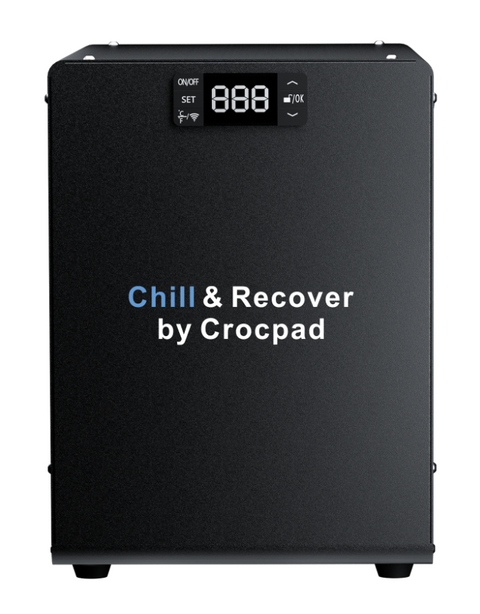
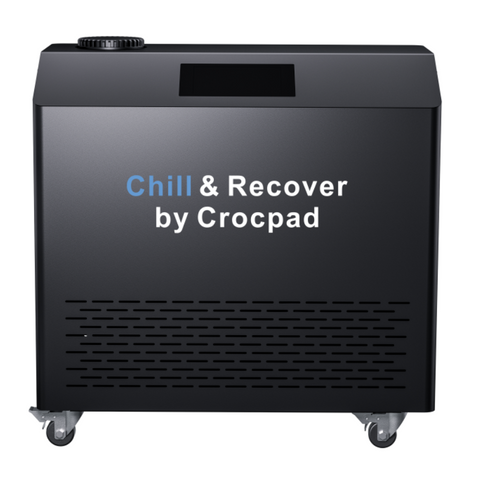
At Crocpad, we've made it easier than ever for Australians to build a cold plunge practice at home. Explore our full range of premium ice baths and cold plunge tubs — built for the demands of the Australian lifestyle, designed to last, and backed by a team who genuinely lives and breathes recovery culture.
Your best recovery starts here. Shop Crocpad ice baths today and feel the difference from your very first plunge.
"The cold is a teacher. It doesn't negotiate, it doesn't lie, and it rewards only those willing to show up." — Crocpad Community