
Whether you've spotted one poolside at a footy club, tucked into a CrossFit box, or sitting in someone's backyard in suburban Brisbane, ice baths and cold plunges are having a serious moment in Australia. But beyond the viral videos and macho bragging rights, there is a genuinely compelling body of science behind cold water therapy — and it's changing the way everyday Aussies and elite athletes approach recovery.
In this article, we break down the real, evidence-based cold plunge benefits so you can decide whether it's time to take the plunge yourself.
What Is a Cold Plunge?
A cold plunge — also called cold water immersion (CWI) or an ice bath — involves submerging your body in cold water, typically between 10°C and 15°C, for anywhere from two to fifteen minutes. It's one of the oldest recovery modalities in sport, with roots in everything from ancient Roman frigidarium baths to the post-game routines of the NRL's top clubs.
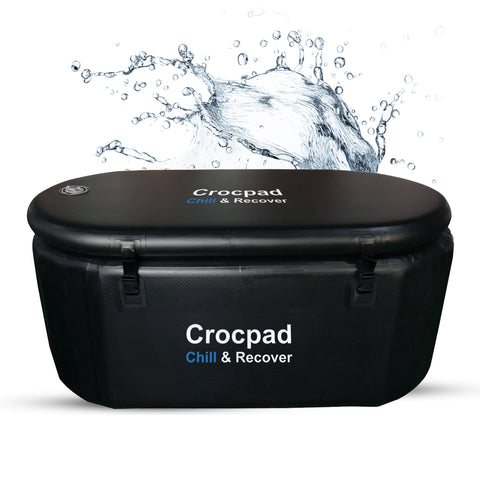
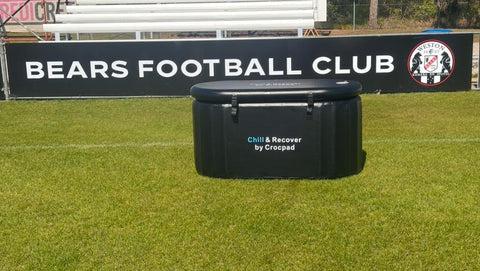
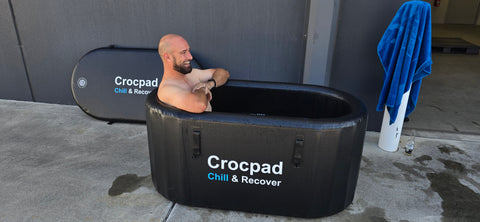
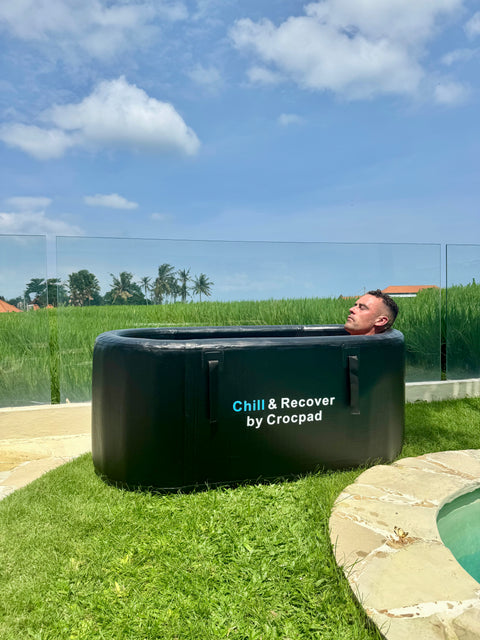
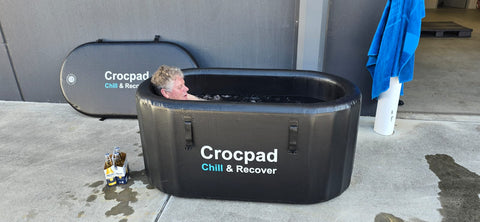
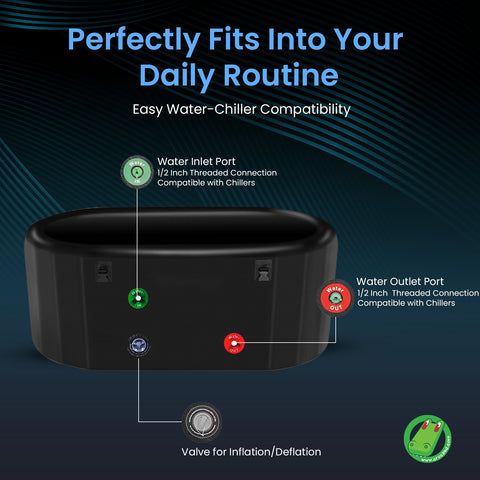
Today, purpose-built ice baths make the practice far more accessible, consistent, and comfortable than the old "bag of ice in a wheelie bin" method. If you're looking for a quality setup at home, Crocpad's range of ice baths are designed specifically for Australian conditions — durable, portable, and built to hold temperature.
The Science-Backed Cold Plunge Benefits
1. Faster Muscle Recovery
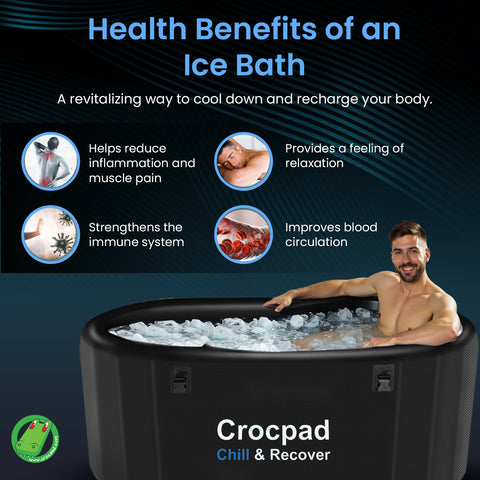
This is the big one — and the most researched. Cold water immersion causes blood vessels to constrict (vasoconstriction), which reduces blood flow to the muscles and slows the inflammatory response triggered by intense exercise. When you exit the cold water, your vessels dilate rapidly (vasodilation), flushing metabolic waste products like lactic acid out of the muscle tissue.
A landmark meta-analysis published in the Journal of Physiology found that cold water immersion significantly reduced delayed onset muscle soreness (DOMS) and accelerated the recovery of muscle strength compared to passive rest. For anyone training twice a day, competing on consecutive days, or simply wanting to bounce back faster from a hard session, this is a meaningful advantage.
2. Reduced Inflammation and Swelling
Exercise-induced inflammation is a natural part of adaptation — but too much of it slows you down and keeps you off the training paddock. Cold exposure suppresses pro-inflammatory cytokines and reduces tissue swelling, particularly in the legs and lower body. This is why cold plunges are a staple recovery tool for sports like AFL, rugby league, and long-distance running, where the lower limbs take a serious beating.
3. Improved Mood and Mental Resilience
Here's something that surprises a lot of people: a cold plunge is one of the most powerful legal mood-boosters available. Cold exposure triggers a significant release of norepinephrine — a neurotransmitter linked to focus, mood regulation, and alertness — with some studies noting increases of up to 300% following cold water immersion.
Beyond neurochemistry, there's a real psychological element at play. Voluntarily stepping into cold water and staying there trains your mind to tolerate discomfort, regulate the stress response, and build confidence. Many regular cold plungers report reduced anxiety, sharper focus throughout the day, and a general sense of calm that lasts for hours after their session.
4. Better Sleep Quality
Cold water immersion in the late afternoon or early evening can support deeper, more restorative sleep. The drop in core body temperature that follows a cold plunge mimics the natural thermoregulation process the body uses to initiate sleep. Athletes who incorporate cold plunges into their post-training routine often report falling asleep faster and waking feeling more refreshed.
5. Boosted Immune Function
Regular cold exposure has been associated with increased white blood cell counts and improved immune surveillance. A notable Dutch study involving the Wim Hof Method — which combines cold exposure with breathwork — found that participants who practised cold immersion showed a measurably stronger immune response when introduced to bacterial endotoxins compared to a control group.
While more research is ongoing, the early indicators suggest that consistent cold water therapy may help keep you healthier and training more consistently — a huge benefit for competitive athletes and weekend warriors alike.
6. Increased Brown Fat Activation and Metabolism
Unlike regular white fat, brown adipose tissue (BAT) — or "brown fat" — generates heat by burning calories. Cold exposure is one of the only known stimuli that activates brown fat in adult humans. Over time, regular cold plunges may increase your brown fat deposits, improving your body's thermogenic capacity and contributing to better metabolic health.
This is an area of growing research interest, particularly in the context of insulin sensitivity and healthy body composition.
7. Cardiovascular and Circulatory Benefits
The repeated cycle of vasoconstriction and vasodilation during and after cold immersion is essentially a workout for your blood vessels. Over time, this can improve vascular tone, support healthy blood pressure, and enhance overall cardiovascular function. Think of it as cardio for your circulatory system.
Cold Plunge Benefits for Athletes Specifically
For competitive and recreational athletes, the practical upshot of all the above science is straightforward: you recover faster, train harder, and perform better.
Here's how Australian athletes across different disciplines are using cold plunges:
- AFL and Rugby: Post-match cold plunges reduce DOMS and get players back to full training within 48 hours rather than 72+.
- CrossFit and Functional Fitness: Cold immersion between AM and PM sessions preserves performance output through double-session training blocks.
- Endurance Athletes (triathletes, runners, cyclists): Cold water immersion of the lower body reduces inflammation in the quads, hamstrings, and calves after long efforts.
- Combat Sports: Fighters use cold plunges during weight cuts and after hard sparring sessions to manage inflammation and support CNS recovery.
If you're serious about your sport, having a reliable ice bath at home means you can recover on your schedule — not when you can get to the club facilities. Check out Crocpad's ice bath collection to find the right model for your training setup.
How to Get Started Safely
Cold plunging is generally safe for healthy adults, but it pays to approach it intelligently — especially if you're new to cold exposure.
Start with Temperature and Time
Beginners should aim for water around 15°C and limit sessions to 2–3 minutes. As your cold tolerance builds over several weeks, you can gradually lower the temperature toward 10–12°C and extend your sessions to 10–15 minutes. There's no benefit to going colder than 10°C — and it increases the risk of cold shock and hypothermia.
Control Your Breathing
The initial cold shock response will make you want to gasp and hyperventilate. Resist it. Take slow, controlled breaths through your nose and focus on relaxing your shoulders. The shock response typically subsides within 30–60 seconds once your body acclimatises.
Time It Right
For recovery, aim to plunge within 30–60 minutes of finishing your session. For mood and mental performance benefits, a morning cold plunge on an empty stomach is increasingly popular. Avoid cold plunges immediately before strength training, as they may blunt the hypertrophic signalling pathways that drive muscle growth if done too close to a weights session.
Who Should Be Cautious
Cold water immersion is not recommended for people with cardiovascular conditions, Raynaud's disease, or cold urticaria without medical clearance. Always consult your GP or sports medicine practitioner if you have any concerns.
Setting Up Your Cold Plunge at Home
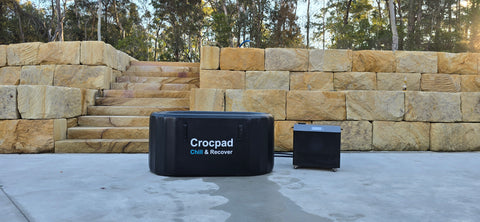
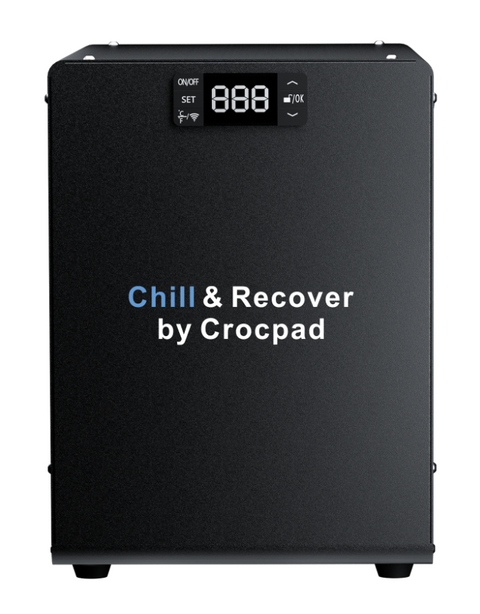
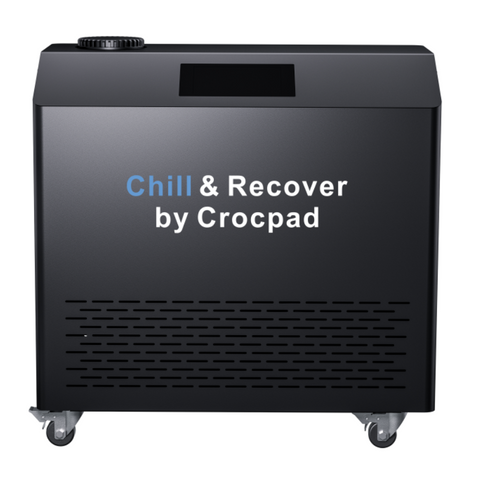
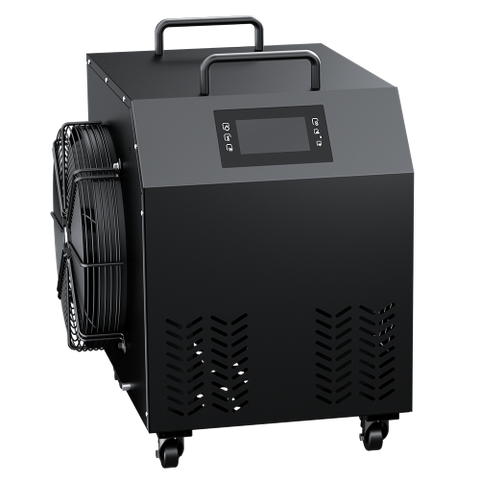
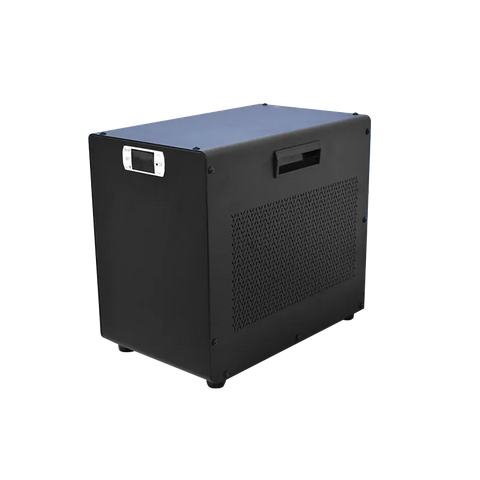
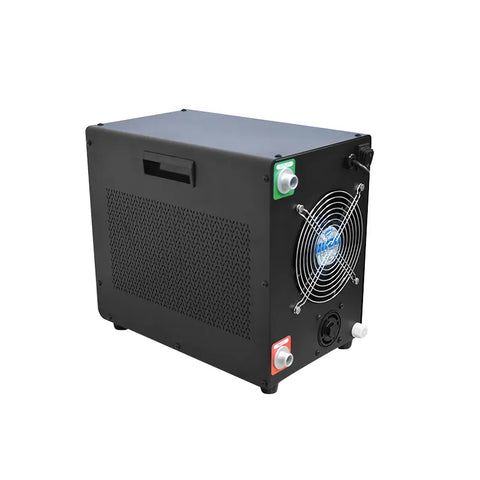
The great news for Australians is that an effective at-home cold plunge setup doesn't have to be complicated or expensive. A quality purpose-built ice bath paired with a bag or two of ice (or an affordable chiller unit) gives you everything you need.
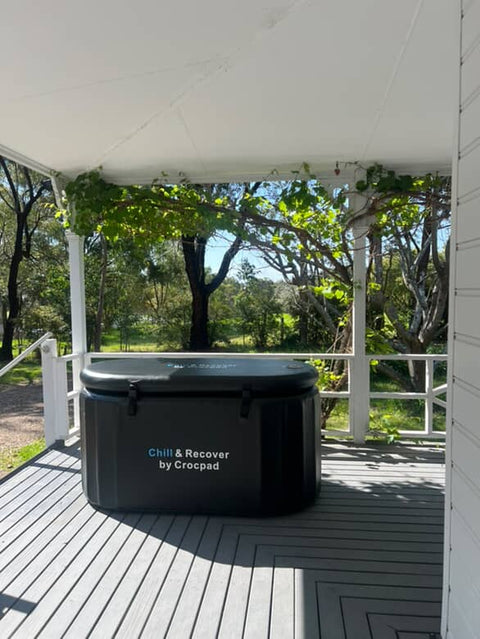
Crocpad's ice baths are engineered for Australian backyards — UV-resistant, thermally insulated, and robust enough to handle regular use in our climate. Whether you're setting up in a compact apartment balcony or a sprawling property out west, there's a Crocpad ice bath that fits your space and your goals.
👉 Browse the full Crocpad Ice Bath range here
The Bottom Line
Cold plunge benefits are no longer the domain of elite athletes or wellness evangelists. The science is solid, the accessibility is improving, and the results — faster recovery, better mood, improved sleep, and sharper mental focus — are hard to argue with.
If you've been sitting on the fence, consider this your sign to take the plunge. Start slow, be consistent, and let your body adapt. Within a few weeks, you'll likely wonder how you ever trained without it.
Ready to set up your own cold plunge? Explore Crocpad's ice baths — Australia's go-to for quality cold water therapy equipment.