
There's a moment — right after you lower yourself into an ice bath — when every instinct in your body screams at you to get out. Your breath shortens, your skin tightens, and your mind races. And then, something remarkable happens: you adapt. That split-second of surrender is exactly where the magic of cold water therapy begins.
Across Australia, from weekend warriors in the suburbs to elite AFL and rugby players, cold plunging has exploded from a niche biohacking trend into a mainstream recovery ritual. And for good reason. The science behind deliberate cold exposure is compelling, the benefits are measurable, and with the right setup, it's more accessible than ever before.
Whether you're a seasoned athlete or simply someone chasing better sleep, less inflammation, and a sharper mind, this guide unpacks exactly what cold plunge therapy does to your body — and why it might be the most powerful recovery tool you're not yet using.
What Happens to Your Body During a Cold Plunge?
When you submerge yourself in cold water (typically between 10°C and 15°C), your body undergoes a cascade of physiological responses almost instantaneously:
- Vasoconstriction: Blood vessels near the skin's surface contract sharply, redirecting blood flow to your vital organs to preserve core temperature.
- Sympathetic nervous system activation: Your body enters a controlled "fight-or-flight" state, flooding your system with norepinephrine — a hormone and neurotransmitter critical for focus, mood, and alertness.
- Metabolic rate increase: Your body works hard to generate heat, temporarily ramping up your metabolism.
- Endorphin release: Once you exit the cold, your body rewards you with a surge of feel-good chemicals that can last for hours.
Far from being mere anecdote, these responses are well-documented in sports science and exercise physiology literature. Let's break down the key benefits one by one.
1. Accelerated Muscle Recovery
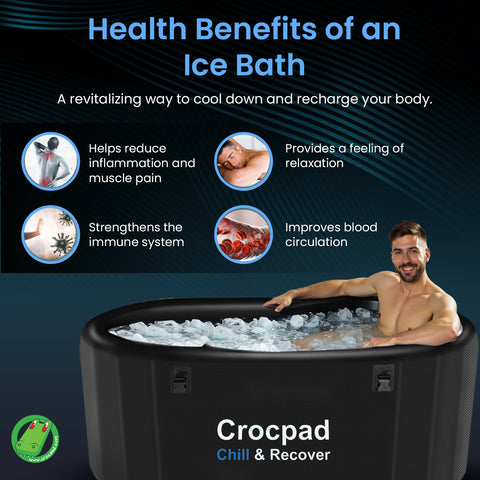
This is the headline benefit that first put ice baths on the map for elite athletes. After intense training — particularly sessions involving eccentric muscle contractions like sprinting, jumping, or heavy lifting — microscopic tears form in muscle fibres. This is normal and necessary for adaptation, but the resulting inflammation and soreness (DOMS, or delayed onset muscle soreness) can sideline you for days.
Cold water immersion has been shown in multiple peer-reviewed studies to significantly reduce perceived muscle soreness and accelerate functional recovery compared to passive rest. A landmark meta-analysis published in the Journal of Physiology found that cold water immersion was one of the most effective post-exercise recovery modalities available.
The mechanism is elegant: vasoconstriction flushes metabolic waste products (like lactic acid) out of fatigued muscles, while the hydrostatic pressure of the water acts like a full-body compression garment, reducing swelling and tissue fluid accumulation.
For athletes training multiple sessions per week — or competing in back-to-back events — this edge in recovery time is enormously valuable.
2. A Dramatic Boost in Norepinephrine
One of the most exciting findings in cold exposure research comes from neuroscientist Dr Andrew Huberman and the laboratory work of Czech researcher Susanna Søberg. Cold water immersion has been shown to increase norepinephrine levels by up to 300% — a far greater spike than most stimulants, without any of the crashes or dependency.
Norepinephrine plays a critical role in:
- Sustained focus and cognitive clarity
- Mood regulation and emotional resilience
- Reducing symptoms of anxiety and depression
- Attention and mental sharpness
This is why so many cold plunge enthusiasts report that their post-plunge state feels like "the best coffee you've ever had" — that energised, clear-headed feeling is neurochemical, not placebo.
3. Improved Circulation and Cardiovascular Health
The repeated cycle of vasoconstriction (during the cold) and vasodilation (as you warm back up) is essentially a cardiovascular workout for your blood vessels. Over time, this "vascular gymnastics" can improve the elasticity and tone of your blood vessel walls — a key marker of long-term cardiovascular health.
Regular cold exposure has also been associated with improved heart rate variability (HRV), which is widely regarded as one of the best indicators of autonomic nervous system health and recovery readiness. Higher HRV correlates with better stress resilience, improved sleep, and stronger athletic performance.
4. Metabolism and Brown Fat Activation
Your body contains two types of fat: white adipose tissue (energy storage) and brown adipose tissue (thermogenic fat that burns energy to produce heat). Cold exposure is one of the very few stimuli that activates brown fat, causing it to burn calories to warm the body.
Research published in the New England Journal of Medicine confirmed that cold-activated brown fat can significantly increase metabolic rate. While cold plunging alone isn't a weight-loss strategy, it does contribute meaningfully to metabolic health — especially when combined with regular exercise and a balanced diet.
5. Mental Toughness and Stress Resilience
Perhaps the most underrated benefit of cold plunge therapy isn't physical at all — it's psychological. Every cold plunge is, at its core, a voluntary stressor. You choose discomfort. You breathe through it. You stay when every signal says leave.
This practice of deliberate, controlled stress exposure builds what researchers call "stress inoculation" — a measurable improvement in your nervous system's ability to handle real-world stressors. Athletes who regularly practise cold exposure often report improved composure under competitive pressure, better emotional regulation, and a stronger sense of self-efficacy.
In a world of constant comfort-seeking, the ice bath is a daily reminder that you are more capable than your instincts suggest.
6. Better Sleep Quality
Cold plunging in the morning (or early afternoon) has been linked to improved sleep architecture at night. The spike in norepinephrine and cortisol during the plunge — which sounds counterintuitive for sleep — actually helps regulate your body's circadian rhythm when timed appropriately. Your core temperature drops in the evening as part of natural sleep onset, and morning cold exposure appears to sharpen that temperature rhythm, making it easier to fall asleep and stay in deeper sleep stages.
How to Get Started: Your Cold Plunge Setup in Australia
The good news for Australians is that you don't need a clinical facility or a $10,000 chiller unit to get started. A high-quality ice bath at home is now entirely achievable.
Here's a practical protocol to begin:
Step 1: Choose Your Ice Bath
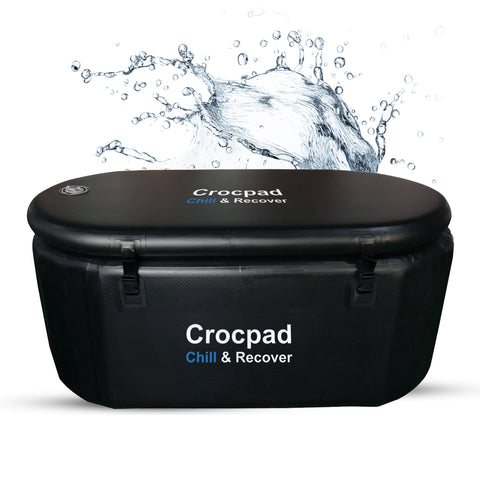
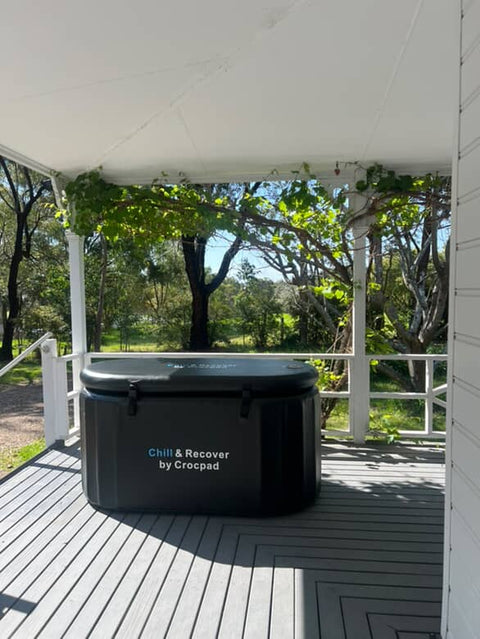
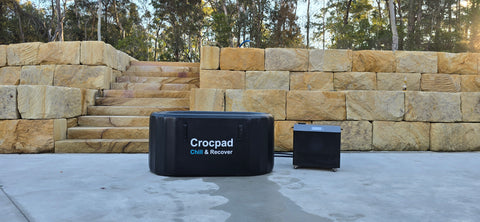
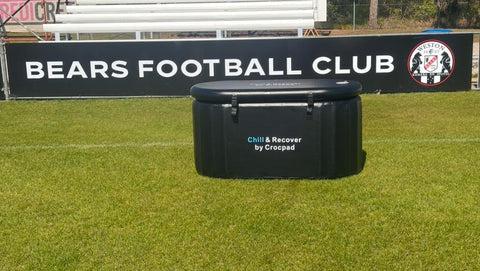
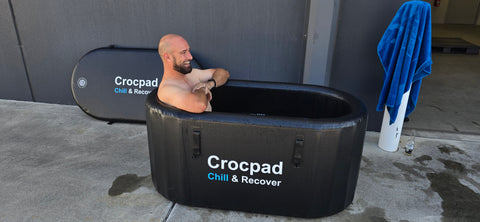
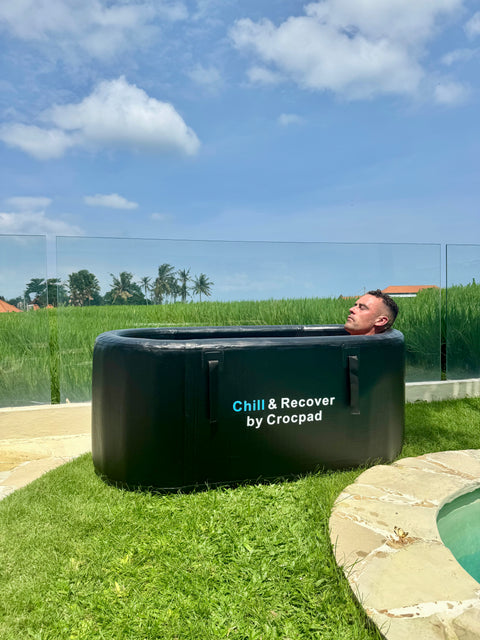
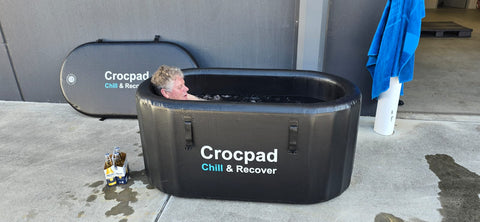
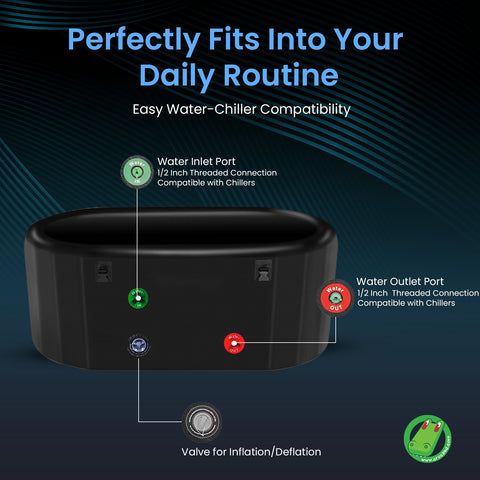
Start with a purpose-built inflatable or freestanding ice bath designed to hold temperature effectively. At Crocpad's ice bath collection, you'll find a range of durable, Australian-tested options suitable for backyards, garages, and even balconies. Look for insulated walls, a secure lid, and a drain valve for easy water changes.
Step 2: Nail Your Temperature
Aim for water between 10°C and 15°C to start. This is cold enough to trigger the physiological responses described above without being dangerous. In Australian summer, you'll need ice — around 5–10kg for a standard bath. In winter, tap water in many southern states will naturally hover around the right range.
Step 3: Start with Time, Not Temperature
Begin with just 2–3 minutes per session, three times per week. As your cold tolerance builds over several weeks, you can extend to 10–12 minutes. Resist the urge to go longer early on — the benefits plateau after about 11 minutes of total weekly cold immersion, according to Søberg Protocol research.
Step 4: Breathe and Stay Calm
Slow, controlled nasal breathing is your greatest ally during a cold plunge. It activates your parasympathetic nervous system (the "rest and digest" system), counteracting the initial panic response and allowing you to stay in longer with greater benefit. Box breathing (4 counts in, 4 hold, 4 out, 4 hold) is a popular technique used by athletes.
Step 5: Warm Up Naturally
After your plunge, resist jumping straight into a hot shower. Allow your body to rewarm naturally through movement — a short walk, light exercise, or simply getting dressed. This extends the norepinephrine release and metabolic activation. Save the hot shower for 10–20 minutes later.
Safety First: Who Should Exercise Caution?
Cold water therapy is safe for the vast majority of healthy adults, but it's not for everyone. Consult your GP before beginning if you have:
- Cardiovascular conditions or hypertension
- Raynaud's disease or cold urticaria
- Open wounds or active skin infections
- Peripheral vascular disease
Never cold plunge alone, particularly when starting out. Always have someone nearby, and never plunge in natural open water without appropriate training and supervision.
Ready to Take the Plunge?
The evidence is clear, the community is growing, and the tools have never been more accessible. Cold plunge therapy isn't a fad — it's a centuries-old practice now validated by modern science, and it's ideally suited to Australia's outdoor lifestyle and culture of physical performance.
Whether you're a competitive athlete chasing faster recovery, a busy professional seeking sharper focus, or simply someone who wants to feel more alive every morning, an ice bath practice could be the single most impactful habit you add to your routine this year.
Explore Crocpad's full range of ice baths and cold therapy gear, designed and tested for Australian conditions. Your nervous system will thank you — eventually.