
Cold Water Therapy for Athletes: Maximising Performance and Recovery in Australia
In the competitive world of Australian sports, from AFL and rugby to swimming and cycling, athletes are constantly seeking evidence-based methods to enhance their performance and accelerate recovery. Cold water therapy has emerged as one of the most effective and scientifically-backed recovery modalities, with professional sporting teams across Australia incorporating ice baths and cold plunging into their training regimens.
The Science Behind Cold Water Therapy for Athletic Performance
Cold water therapy, also known as cold water immersion (CWI), involves exposing the body to water temperatures typically between 10-15°C for controlled periods. This practice triggers a cascade of physiological responses that directly benefit athletic performance and recovery.
When athletes immerse themselves in cold water, several key mechanisms activate:
- Vasoconstriction: Blood vessels constrict, reducing inflammation and metabolic activity in tissues
- Reduced nerve conduction velocity: Decreases pain sensation and muscle spasm
- Enhanced circulation: Post-immersion vasodilation improves blood flow and nutrient delivery
- Hormonal adaptation: Triggers release of norepinephrine and other performance-enhancing hormones
Recovery Benefits for Australian Athletes
Accelerated Muscle Recovery
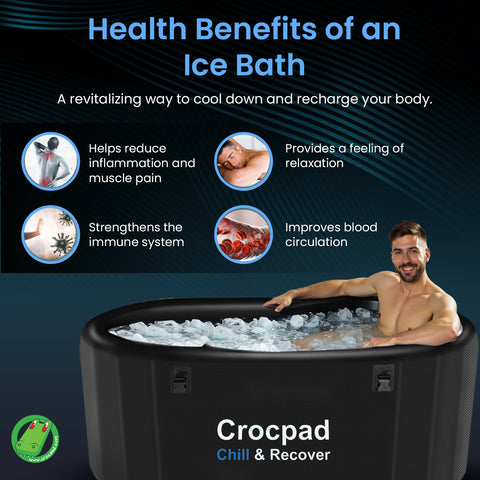
Research conducted at Australian Institute of Sport has demonstrated that cold water therapy significantly reduces delayed onset muscle soreness (DOMS) following intense training sessions. Athletes who incorporate regular ice bath sessions report feeling fresher and more prepared for subsequent training, enabling higher training volumes without compromising recovery quality.
Inflammation Reduction
The anti-inflammatory effects of cold water immersion are particularly beneficial for contact sport athletes common in Australia, such as AFL and rugby players. Cold therapy helps manage acute inflammation from impacts and intense muscular contractions, allowing athletes to maintain training consistency throughout demanding seasons.
Enhanced Sleep Quality
Many Australian athletes report improved sleep quality following evening cold therapy sessions. The post-immersion warming effect and hormonal changes can promote deeper, more restorative sleep – crucial for athletic recovery and performance optimisation.
Performance Enhancement Through Cold Adaptation
Improved Heat Tolerance
Particularly relevant for Australian athletes competing in hot climates, regular cold water therapy enhances the body's overall thermoregulatory efficiency. This adaptation proves invaluable during summer competitions and training in Australia's harsh climate conditions.
Mental Resilience and Focus
Cold water therapy acts as a powerful tool for developing mental toughness. Australian athletes who regularly practice cold immersion often report improved stress management, enhanced focus under pressure, and greater confidence in challenging competitive situations.
Metabolic Adaptations
Repeated cold exposure stimulates mitochondrial biogenesis and improves metabolic efficiency. These adaptations can enhance endurance capacity and energy production – critical factors for athletic performance across all sports.
Implementing Cold Water Therapy: Best Practices for Athletes
Temperature Guidelines
For optimal athletic recovery, water temperature should be maintained between 10-15°C. Professional-grade ice baths from Crocpad are specifically designed to maintain consistent temperatures for athletic applications, ensuring safe and effective cold therapy sessions.
Duration and Frequency
Research suggests that 10-15 minute sessions provide optimal benefits for most athletes. Frequency depends on training intensity and individual adaptation, with many elite Australian athletes incorporating cold therapy 3-4 times per week during intensive training periods.
Timing Considerations
- Post-training: Within 30 minutes of intense sessions for maximum anti-inflammatory benefits
- Between sessions: On recovery days to enhance circulation and reduce residual fatigue
- Pre-competition: Some athletes use brief cold exposure for alertness and activation
Sport-Specific Applications
Endurance Sports
Cyclists, runners, and triathletes benefit from cold water therapy's ability to reduce exercise-induced inflammation and accelerate glycogen resynthesis. The improved circulation following cold immersion enhances nutrient delivery to working muscles.
Contact Sports
AFL, rugby, and martial arts athletes use cold therapy to manage acute trauma responses and reduce swelling from impacts. Regular sessions help maintain training availability during intense competitive periods.
Team Sports
Basketball, netball, and football teams increasingly incorporate group cold therapy sessions, combining recovery benefits with team building and mental conditioning aspects.
Setting Up Your Athletic Cold Therapy Protocol
Equipment Considerations
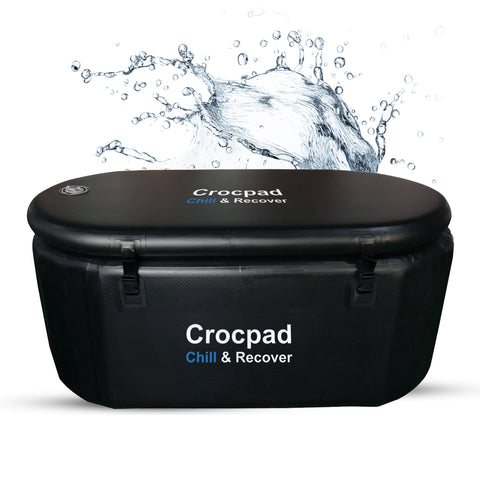
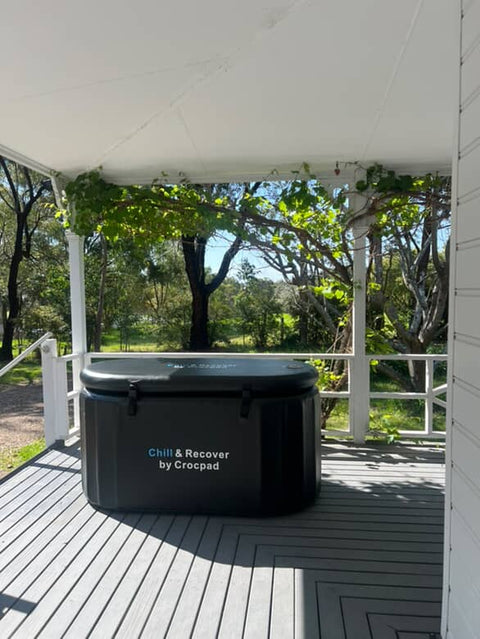
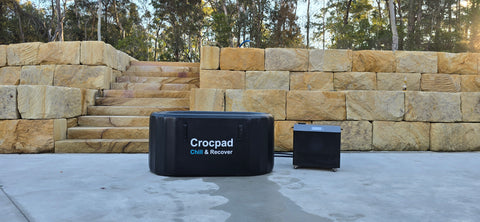
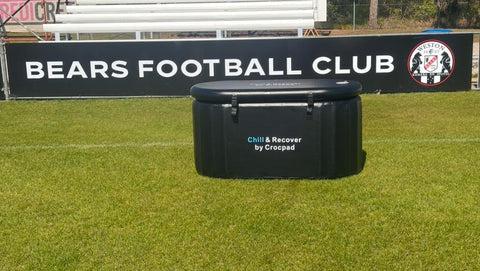
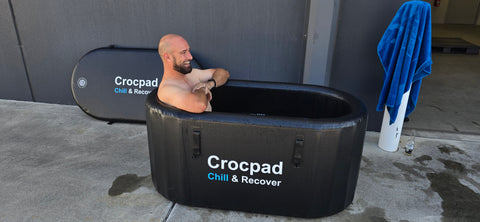
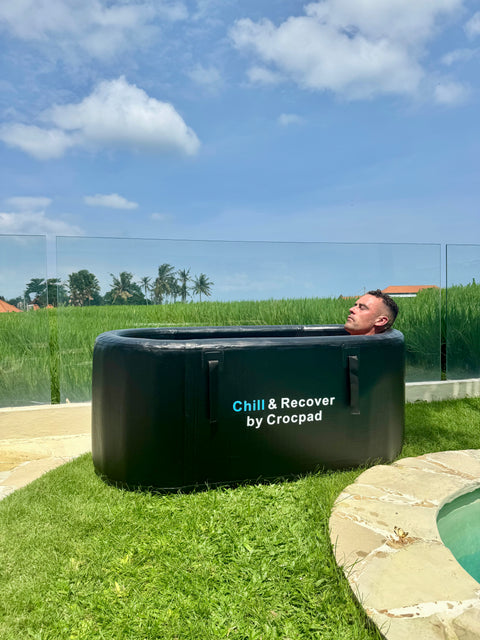
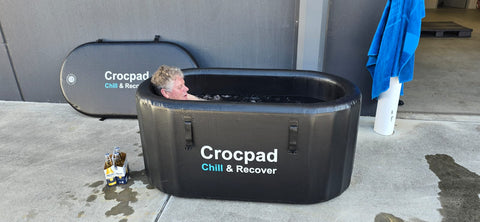
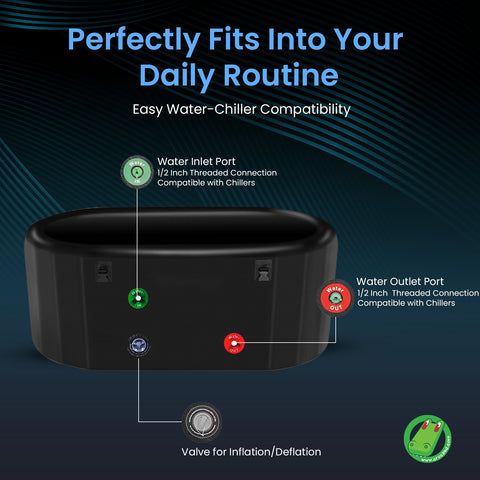
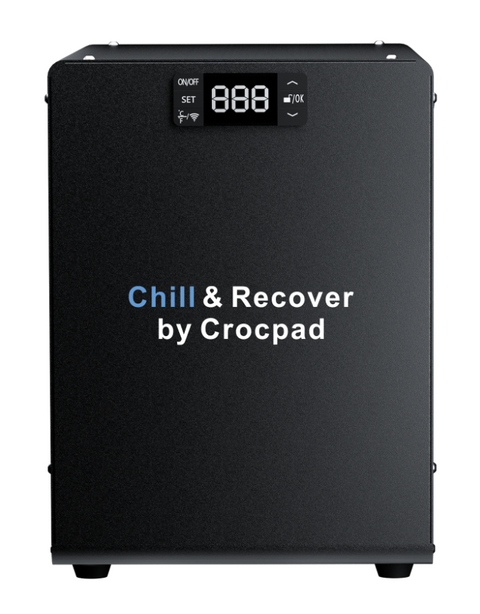
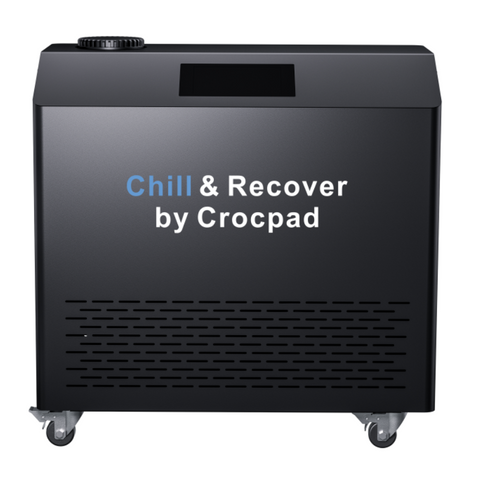
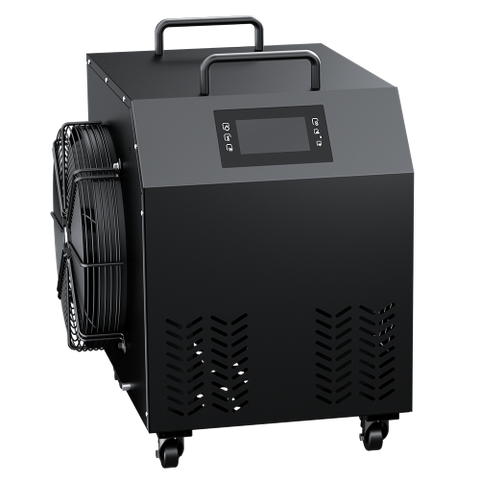
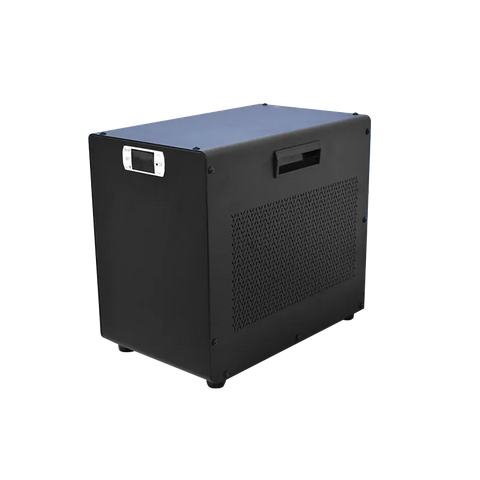
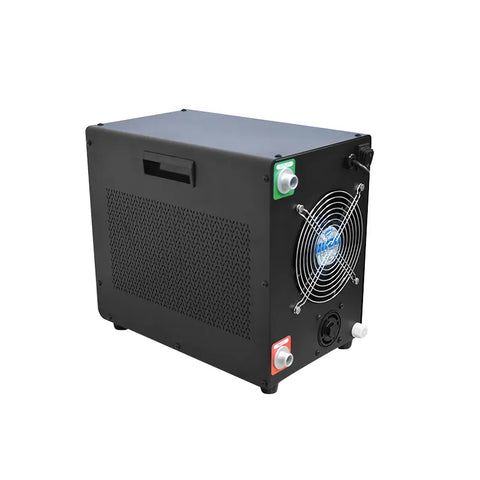
Professional athletes require reliable, consistent cold therapy equipment. Crocpad's range of ice baths offers various sizes and features specifically designed for athletic applications, from individual units to team-sized installations.
Safety Protocols
Athletic cold therapy should always include:
- Gradual temperature adaptation for new users
- Supervision during initial sessions
- Clear entry and exit procedures
- Emergency warming protocols
- Individual health screening and contraindication assessment
Integration with Training Programs
Successful implementation requires coordination with coaching staff and sports science teams. Cold therapy should complement, not replace, other recovery modalities such as nutrition, sleep optimisation, and soft tissue therapy.
Real-World Success Stories from Australian Sport
Numerous Australian sporting organisations have reported significant benefits from implementing structured cold water therapy programs. Professional rugby teams report reduced injury rates and improved training availability, while endurance athletes document faster recovery between high-intensity sessions.
Swimming Australia has long recognised the benefits of contrasting temperature therapy, with many pools now featuring dedicated cold therapy areas alongside traditional warm-up and warm-down zones.
Future Directions and Considerations
As research continues to evolve, personalised cold therapy protocols based on individual physiological responses and sport-specific demands are becoming more sophisticated. Wearable technology and biomarker monitoring allow for precise optimisation of cold therapy timing, duration, and intensity.
Australian sports science continues to lead global research in this area, with ongoing studies investigating optimal protocols for different athletic populations and competitive demands.
Conclusion
Cold water therapy represents a powerful, evidence-based tool for enhancing athletic performance and recovery. When implemented correctly with appropriate equipment and protocols, it can provide Australian athletes with significant competitive advantages while supporting long-term health and performance sustainability.
For athletes serious about optimising their recovery and performance, investing in quality cold therapy equipment is essential. Explore Crocpad's professional-grade ice bath solutions designed specifically for the demanding requirements of Australian athletes and sporting organisations.
By embracing the science of cold water therapy and implementing structured protocols, Australian athletes can unlock new levels of performance while maintaining the physical and mental resilience required for sporting excellence.