
Sitting in a tub of freezing water for as long as possible isn't a test of toughness; it's a recipe for diminishing returns. You've probably finished a brutal training session only to find yourself staring at a tub of water, wondering exactly how long to stay in ice bath sessions before the benefits stop and the risks start. It's frustrating when conflicting online advice leaves you shivering and confused in your own backyard, especially when you're just trying to bounce back for your next session.
We're here to clear the air so you can stop the guesswork and start recovering like a pro. This guide provides the precise timing you need to crush muscle soreness and build unbreakable mental clarity using the latest 2026 recovery standards. We will explore the science-backed 11-minute weekly rule, explain why water temperature dictates your duration, and help you build a safe, high-performance routine that fits your active lifestyle. Get ready to transform your recovery from a chore into a powerful tool for your physical rejuvenation and long-term health.
Key Takeaways
- Target the 2 to 5 minute "sweet spot" to ensure you're getting the recovery benefits without risking overexposure.
- Discover how to hit the science-backed 11-minute weekly target to trigger brown fat activation and boost your metabolic health.
- Learn exactly how long to stay in ice bath sessions to balance physical rejuvenation with safety during every plunge.
- Identify the critical warning signs like the "claw hand" that tell you exactly when it's time to end your session.
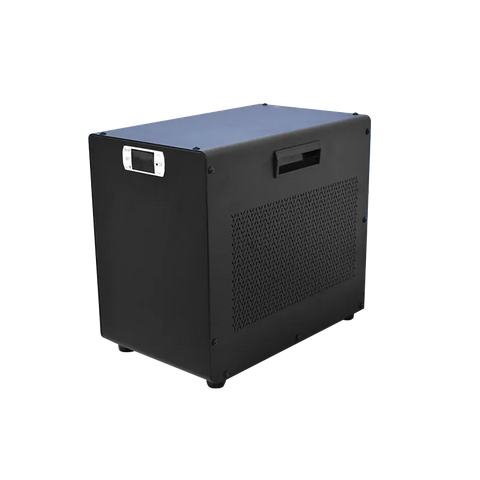
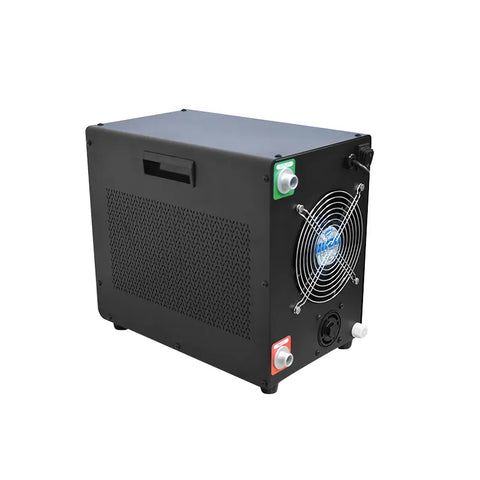
- Streamline your recovery by using high-performance chillers to maintain consistent temperatures without wasting time on ice runs to the local servo.
The Ideal Duration: How Long Should You Actually Stay In?
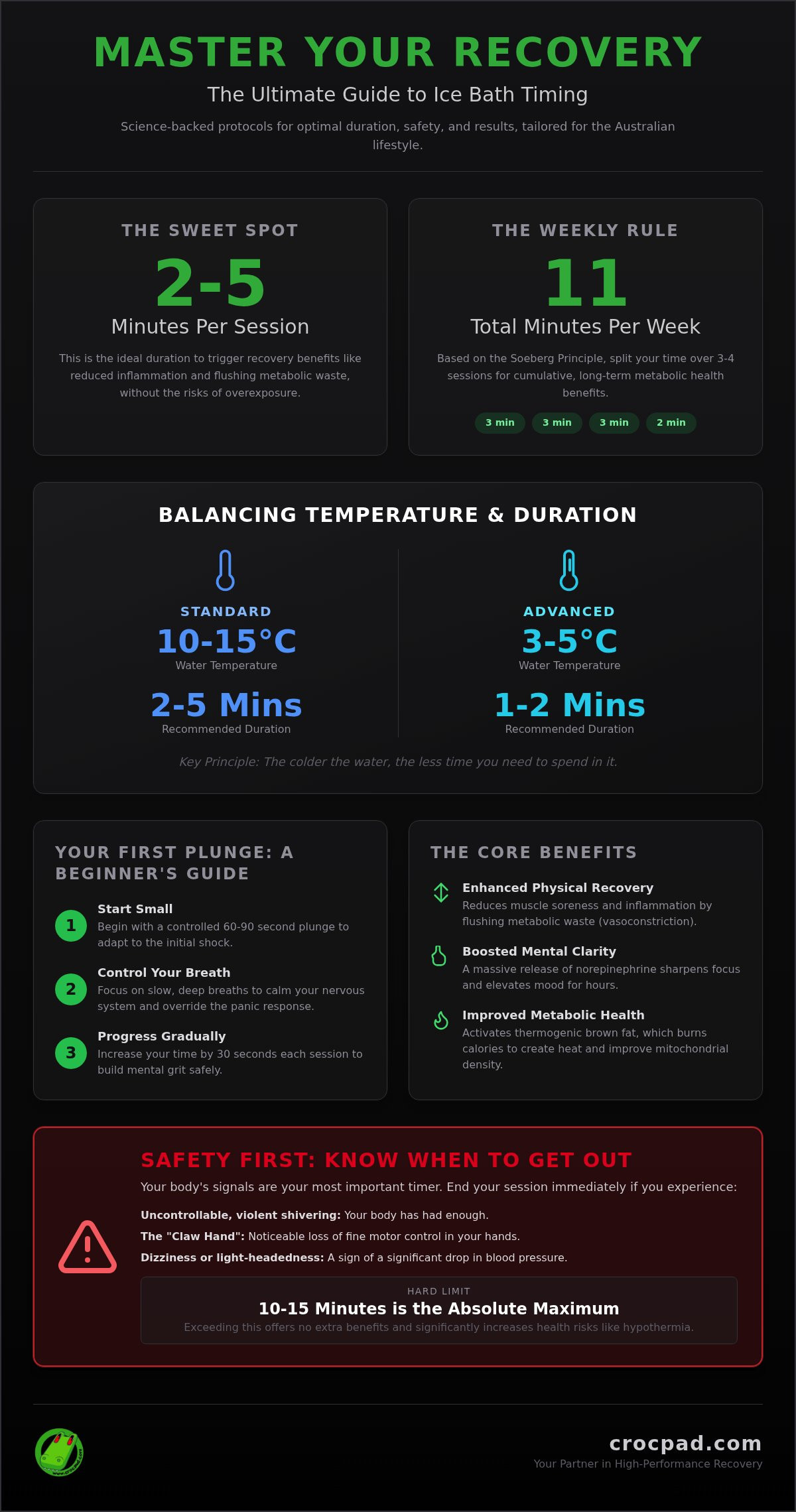
Finding the right balance for your recovery routine is about precision, not endurance. Most Aussies hitting the water after a long training session should aim for a sweet spot of 2 to 5 minutes. Deciding how long to stay in ice bath setups depends on your specific goals, but staying in for up to 20 minutes as some international guides suggest is often excessive. This is especially true when you're dealing with the intense Australian heat. Your goal isn't to see how long you can suffer; it's to trigger a physiological response that flushes out toxins and reduces inflammation.
Safety is paramount when you're using an ice bath at home. Treat 10 to 15 minutes as your absolute hard limit. Pushing beyond this point doesn't offer extra benefits and significantly increases the risk of hypothermia or cold shock. Instead of watching the clock like a hawk, listen to your body. Your shiver response is a natural, built-in timer. Once you start shivering uncontrollably, your body is telling you it has had enough. It's time to get out, dry off, and let the recovery process begin.
In the Australian climate, your body often starts from a higher core temperature due to ambient heat. This makes the initial plunge feel more intense but also means your body might cool down faster than someone in a colder climate. Always adjust your timing based on how you feel in the moment, rather than sticking to a rigid schedule that doesn't account for your environment.
The Minimum Effective Dose for Beginners
Don't feel pressured to hit five minutes on day one. Start with a short, controlled burst of 60 to 90 seconds to build your mental grit. During those first 30 seconds, your brain will scream at you to get out. Ignore it. Focus entirely on slow, deep breath control to settle your nervous system. Once you've mastered the initial shock, gradually increase your time by 30 seconds each session. This progressive approach ensures you stay safe while your body adapts to the cold.
Temperature vs. Time: Finding the Balance
The colder the water, the less time you need to spend in it. For a standard recovery session, keeping the water between 10°C and 15°C allows for those longer 5-minute plunges. If you're using a high-performance chiller to drop the temperature to an advanced 3°C or 5°C, you only need 1 to 2 minutes to get the job done. The colder the water temperature becomes, the shorter your safe immersion time must be to avoid tissue damage. Understanding how long to stay in ice bath sessions requires you to respect this inverse relationship between temperature and safety.
The Science of the 11-Minute Weekly Rule
Forget the idea that you need to endure a marathon session to see results. Recent research, specifically the Soeberg Principle, suggests that the magic number for cold water immersion is actually 11 minutes per week. This isn't 11 minutes in one go. Instead, you split this time across three or four sessions. By spreading it out, you keep your body in a state of constant adaptation. This cumulative approach is far more effective for long-term health than a single, punishing session on a Sunday afternoon. When you're calculating how long to stay in ice bath routines, think in totals rather than individual sprints.
One of the most powerful aspects of this rule is "ending on cold." Instead of jumping straight into a hot shower, let your body reheat itself naturally. This forces your metabolism to work overtime, significantly boosting the benefits of your plunge. It's a sustainable way for busy Australians to get the most out of their recovery without spending hours in the tub. It's all about making the cold work for you, not against you.
Hormetic Stress and Muscle Recovery
Short, sharp bursts of cold act as a form of hormetic stress. This triggers a massive release of norepinephrine, which sharpens your focus and elevates your mood for hours. According to Stanford researchers on the benefits of cold water immersion, these mental gains are just as significant as the physical ones. For athletes, the role of vasoconstriction is vital. It flushes metabolic waste from your muscles, speeding up your return to peak performance. Just remember to wait at least four hours after a hypertrophy or strength session before you hop in. Cooling the muscles too soon can actually blunten the growth signals you worked so hard for at the gym.
Metabolic Health and Brown Fat
Consistent cold exposure transforms your body at a cellular level. It increases mitochondrial density in your brown adipose tissue, also known as "brown fat." Unlike regular white fat, brown fat is thermogenic, meaning it burns energy to create heat. This creates an "afterburn" effect where your body continues to torch calories long after you've dried off. For those looking to maintain a lean, high-performance physique, keeping a portable ice bath ready in the backyard makes hitting that 11-minute target easy. It's about building a routine that supports your lifestyle while delivering maximum metabolic impact. Understanding how long to stay in ice bath sessions throughout your week ensures you're working with your biology, not against it.
Step-by-Step: Your First 5-Minute Plunge
You've got the gear, now get the process right. Preparation is half the battle for a successful recovery session. Drink plenty of water at least 30 minutes before you start to maintain blood volume and support circulation. Lay out a thick, dry towel and warm clothes nearby so you aren't fumbling around while shivering later. Once you're ready, don't hesitate. Step in and submerge up to your neck immediately. This quick entry triggers the cold shock response, which is exactly what you want for maximum physiological impact. Knowing how long to stay in ice bath sessions is one thing, but getting through the first few seconds with confidence is where the real grit is built.
Once you're in, your breath is your best friend. Your body will naturally want to panic and take shallow, rapid breaths. Use box breathing to take back control of your autonomic nervous system. Inhale for four seconds, hold for four, exhale for four, and hold again for four. This simple rhythm calms your central nervous system and shifts you from a state of "fight or flight" to one of calm focus. It makes the minutes fly by and helps you stay still, which allows a thin thermal layer of warmer water to form against your skin.
Managing the First 30 Seconds
That initial gasp is a biological reflex called the cold shock response. It's totally normal and happens to everyone. Your heart rate will spike, and you might feel a sharp, stinging sensation across your chest and back. If your fingers and toes feel like they're being bitten by frost, tuck them into your armpits or keep them close to your torso. As you cross the 30-second mark, the sharp pain usually gives way to a strange, calm numbness. This is your first major milestone and a sign that you've conquered the hardest part of the session.
Post-Plunge Protocol
When the timer hits five minutes, move with intention. Don't scramble out like you're escaping a predator. Exit the tub slowly to avoid lightheadedness as your blood starts to move back to your extremities. Instead of running for a boiling hot shower, try the "Croc" method. Use dynamic movements like deep air squats, star jumps, or vigorous arm swings to generate heat from the inside out. A lukewarm shower is much better for your skin and circulation than a scalding one immediately after the cold. Keep your gear organised and dry by using a waterproof bag, which is essential for those backyard sessions where things get a bit splashy. Following Harvard Health on ice bath safety guidelines ensures you reap the rewards without unnecessary risk. Remember, figuring out how long to stay in ice bath setups is about finding what works for your unique body, but five minutes remains a fantastic target for a standard session.
Safety First: When to Get Out Immediately
While we've discussed the five-minute target, the clock is always secondary to your physical state. Understanding how long to stay in ice bath sessions means knowing when to call it quits early. You must distinguish between the "burn" of the cold and the "numbness" of danger. If you feel a sharp, stinging sensation, that's usually the cold doing its work. However, if that sensation disappears entirely and is replaced by a total lack of feeling or a "wooden" sensation in your limbs, your body is signalling a shutdown. In the Aussie summer, the contrast between a 35-degree day and 5-degree water is massive. This extreme thermal shock can accelerate your body's cooling rate, making your physical cues more important than any timer.
Watch your hands. A classic sign of overexposure is "the claw," where you lose fine motor skills. Try touching your thumb to each fingertip while submerged. If you can't coordinate this movement, your nerves are too cold to function properly. Get out immediately. Never attempt these sessions alone, especially when pushing for longer durations. Having a mate nearby is a simple safety step that prevents a minor issue from becoming a medical emergency. You should also respect the "Afterdrop." Your core temperature actually continues to fall for about 10 minutes after you leave the water because cold blood from your limbs starts circulating back to your warm core. If you feel colder ten minutes after drying off than you did while in the tub, wrap up in warm layers and move your body.
Warning Signs of Hypothermia
Look for slurred speech, extreme shivering, or sudden mental confusion. These are signs that your core temperature is dropping too low. Monitor your skin colour; while some redness is normal due to blood flow, a blue or greyish tint (peripheral cyanosis) is a major red flag. Cold therapy becomes a significant health risk the moment your core temperature drops below 35°C. If you start to feel "warm" or sleepy while in the water, exit at once, as this is a paradoxical sign of severe cold stress.
Who Should Avoid Ice Baths?
Not everyone is built for the plunge. If you have pre-existing heart conditions or high blood pressure, the sudden shock can place dangerous stress on your cardiovascular system. Those with Raynaud’s disease or extreme cold hypersensitivity should also steer clear. Always consult your GP before starting a new cold therapy programme to ensure your heart and vascular system can handle the intensity. For a safer, more controlled experience, invest in a high-quality Ice Bath Tub that allows for easier entry and exit during your recovery sessions.
Optimising Your Setup with Crocpad Ice Baths
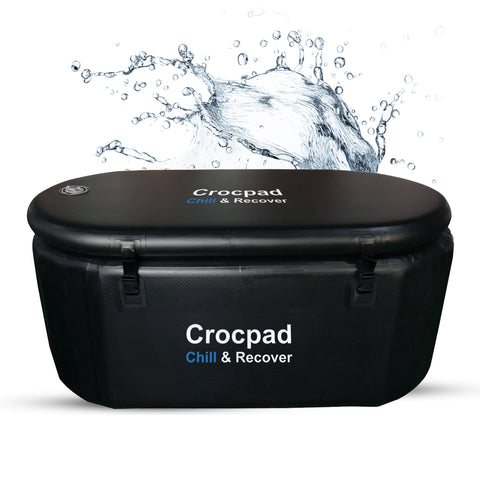
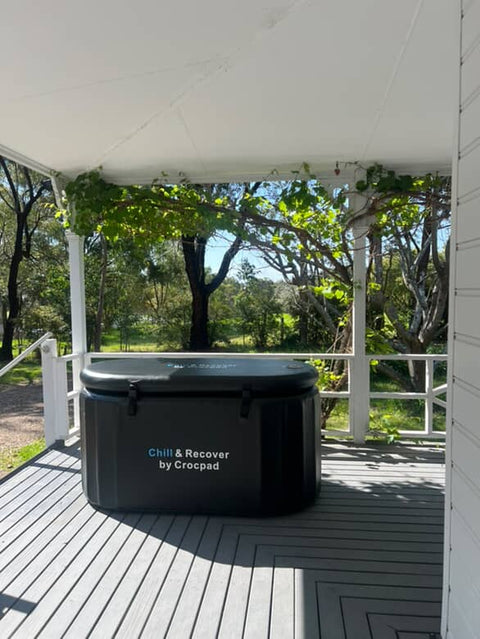
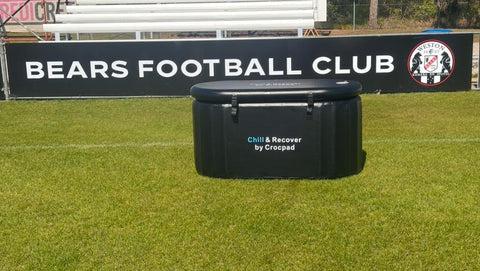
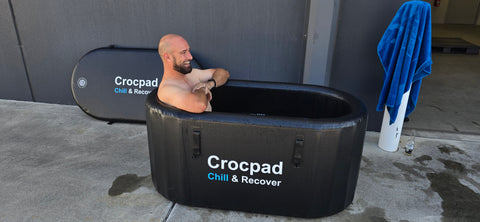
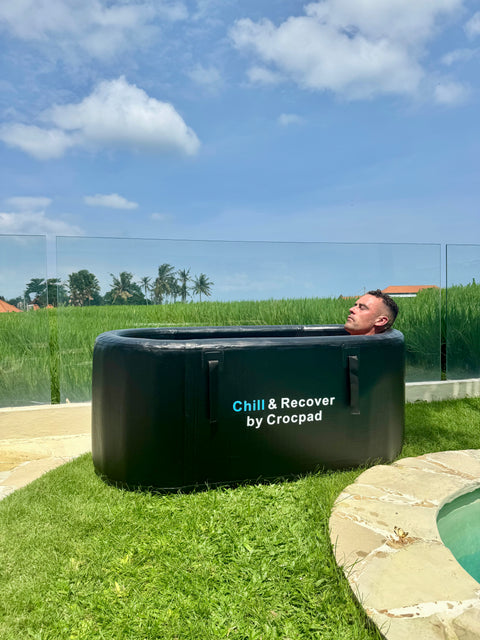
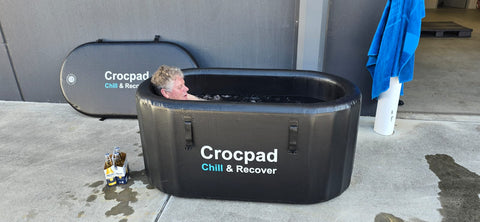
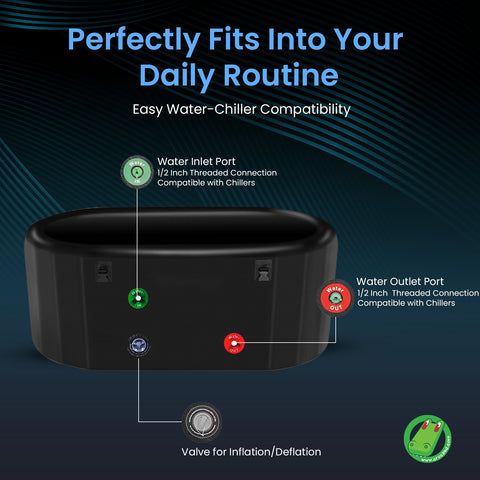
Elevate your recovery game by moving beyond the household bathtub. While a standard tub might work in a pinch, a dedicated Ice Bath Pod is designed specifically for the job. These pods allow for deeper submersion, ensuring you can get that water right up to your neck to trigger the cold shock response we discussed earlier. When you have a setup that's actually comfortable to sit in, figuring out how long to stay in ice bath sessions becomes much easier because you aren't cramped or struggling to stay under. These space-saving designs are perfect for an Aussie patio, a balcony, or a corner of the garage, making professional-grade recovery accessible at home.
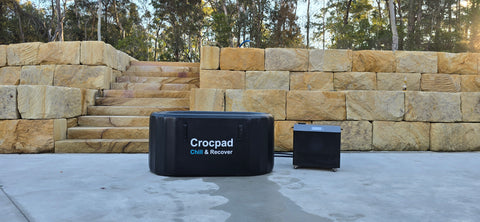
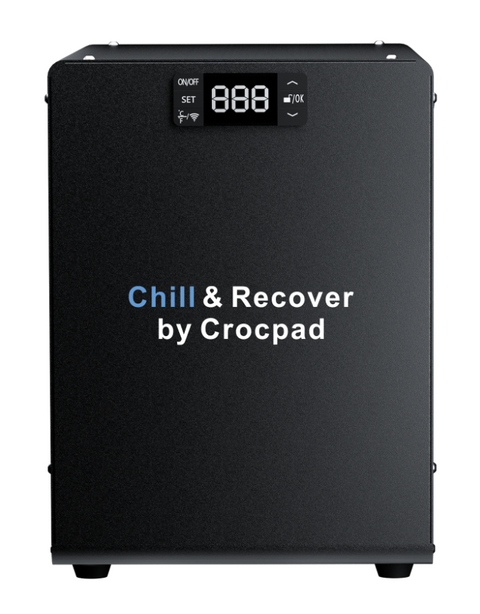
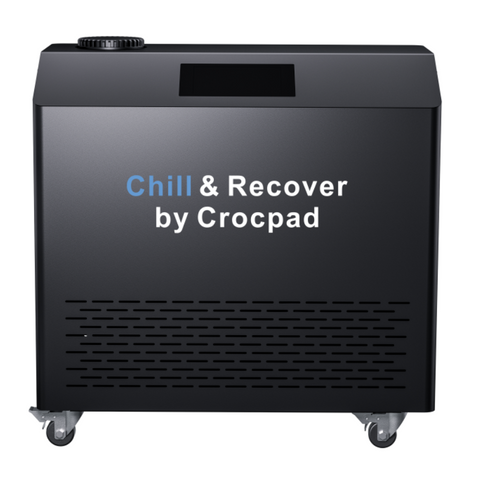
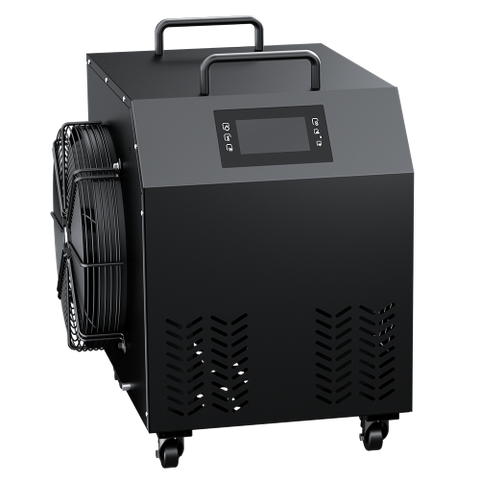
Consistency is the secret sauce for any recovery programme. If you're constantly guessing your water temperature or waiting for ice to melt, you'll likely skip sessions. A Crocpad Chiller removes all that friction. It maintains a precise, crisp temperature around the clock, so your tub is always ready when you are. This reliability is what makes hitting that 11-minute weekly target a breeze rather than a chore. Maintaining your setup is simple too, with integrated filtration systems that keep your water clean and clear for every single plunge without the need for constant water changes.
Chiller vs. Manual Ice: The Efficiency Factor
Stop wasting time and money on daily trips to the local servo for 10kg bags of ice. Manual icing is inconsistent; your water starts too warm and ends up at a random temperature that changes every time. A chiller gives you total authority over your environment. You can set it to exactly 10°C for a longer soak or drop it to a bone-chilling 3°C for a quick, advanced burst. When you look at the long-term cost of buying bags of ice several times a week, owning a dedicated chiller system is a much smarter investment for any serious athlete or weekend warrior. It turns a messy, expensive habit into a streamlined, high-performance routine.
The Crocpad Difference
Our gear is built to thrive in harsh Australian conditions. We use durable, UV-resistant materials that won't perish under the brutal Aussie sun, ensuring your pod stays in peak condition for years. Whether you're at home or heading away for a competition, our portable and inflatable designs mean your recovery routine goes wherever the adventure takes you. Don't let your progress stall because you're away from your usual setup. Check out the Crocpad Ice Bath & Chiller range today and start your recovery journey with the confidence that you have the best gear in your corner. Once you have the right tools, mastering how long to stay in ice bath sessions becomes a natural part of your daily win.
Master Your Recovery Routine Today
Mastering the cold is about discipline and data, not just grit. You now have a clear roadmap to transform your post-training routine into a professional-grade recovery system. Aim for the 2 to 5 minute sweet spot during individual sessions to flush metabolic waste without overtaxing your nervous system. Remember to track your weekly totals to hit that science-backed 11-minute goal for peak metabolic health and mental clarity. Knowing exactly how long to stay in ice bath sessions ensures you get the results you want while keeping safety at the forefront of your training.
Don't let inconsistent temperatures or messy ice runs hold you back from your best performance. Our portable, easy-to-clean designs are trusted by local athletes and built specifically to withstand tough Australian conditions. Whether you're on the back patio or travelling for a competition, your recovery should be as high-performance as your training. It's time to stop guessing and start winning.
Upgrade your recovery with a Crocpad Ice Bath and Chiller and take the guesswork out of your routine today. You've done the hard work in the gym; now give your body the premium rejuvenation it deserves. See you at the next plunge!
Frequently Asked Questions
How long should a beginner stay in an ice bath?
Beginners should aim for a short duration of 60 to 90 seconds during their first few plunges. This timeframe allows your nervous system to adapt to the initial cold shock response without causing unnecessary stress. Focus entirely on controlling your breath rather than watching the clock, and gradually add 30 seconds to your sessions as your tolerance builds over several weeks.
Is 10 minutes in an ice bath too long?
Ten minutes is safe for experienced users, but when deciding how long to stay in ice bath sessions, remember that the physiological benefits often plateau well before this point. Pushing for ten minutes increases the risk of hypothermia and "afterdrop" without providing significantly more recovery value. Treat 15 minutes as the absolute maximum safety limit for any session, regardless of your experience level.
How many times a week should I take an ice bath?
Aim for 2 to 4 sessions per week to achieve the best results for your recovery and mental health. This frequency makes it easy to hit the science-backed target of 11 minutes of total weekly cold exposure. Spreading your sessions across the week is much more effective for building long-term resilience than doing one long, painful soak on your day off.
Should I shower after an ice bath?
You should wait at least 30 to 60 minutes before jumping into a warm shower. Letting your body reheat naturally is a key part of the recovery process, as it forces your metabolism to work harder and boosts brown fat activation. If you're feeling particularly chilled, a lukewarm shower is a safer choice than a boiling hot one to avoid dizzy spells or skin irritation.
Can I do an ice bath every day?
You can certainly take a daily plunge, but it's best to avoid it immediately after a heavy strength or hypertrophy session. Cold water immersion can blunt the inflammatory response that's necessary for muscle growth and adaptation. If you're training for size, wait at least four hours after your workout or save the ice bath for your dedicated rest days.
What is the best temperature for an ice bath for muscle recovery?
The sweet spot for muscle recovery is a temperature range between 10°C and 15°C. This range effectively reduces inflammation and muscle soreness while allowing you to stay in the water long enough to get the job done. While some advanced users prefer temperatures as low as 3°C for mental grit, the 10-15°C range remains the standard for physical rejuvenation.
Do ice baths help with weight loss?
Ice baths support weight loss by triggering the activation of brown adipose tissue, which burns calories to generate heat. When you're figuring out how long to stay in ice bath setups for metabolic gains, the reheating phase is just as important as the soak itself. This "afterburn" effect keeps your metabolism elevated as your body works to return to its natural core temperature.
What should I wear in an ice bath?
Standard swimwear is the best option to ensure your skin has maximum contact with the cold water. If the stinging sensation in your extremities is too intense, you can wear neoprene booties or gloves to protect your fingers and toes. This simple adjustment often helps you stay in the water for your full target duration without the distraction of painful hands or feet.