
Stop wasting your weekends driving to the local servo for bags of ice that melt before you even get home. You want the elite recovery of a professional athlete, but the constant cost and effort of a DIY setup are killing your vibe. We agree; maintaining a consistent ice bath at home shouldn't be a massive chore. You need a recovery station that stays icy and ready to go, even when the Australian sun is at its peak.
This guide shows you how to transform your backyard into a high-performance wellness zone with a setup that actually lasts. You will learn the secrets to professional-grade cold water immersion, from choosing the right chiller to mastering the mental grit of the plunge. We will walk through space-saving pods, heavy-duty materials, and the exact routine you need to eliminate muscle soreness and sharpen your focus every morning. Get ready to turn your recovery into a seamless, daily habit that leaves you feeling unstoppable.
Key Takeaways
- Understand why elite Aussie athletes are shifting to an ice bath at home to lock in recovery benefits immediately after training.
- Explore the science of vasoconstriction and how the first 30 seconds of immersion triggers a powerful physiological reset.
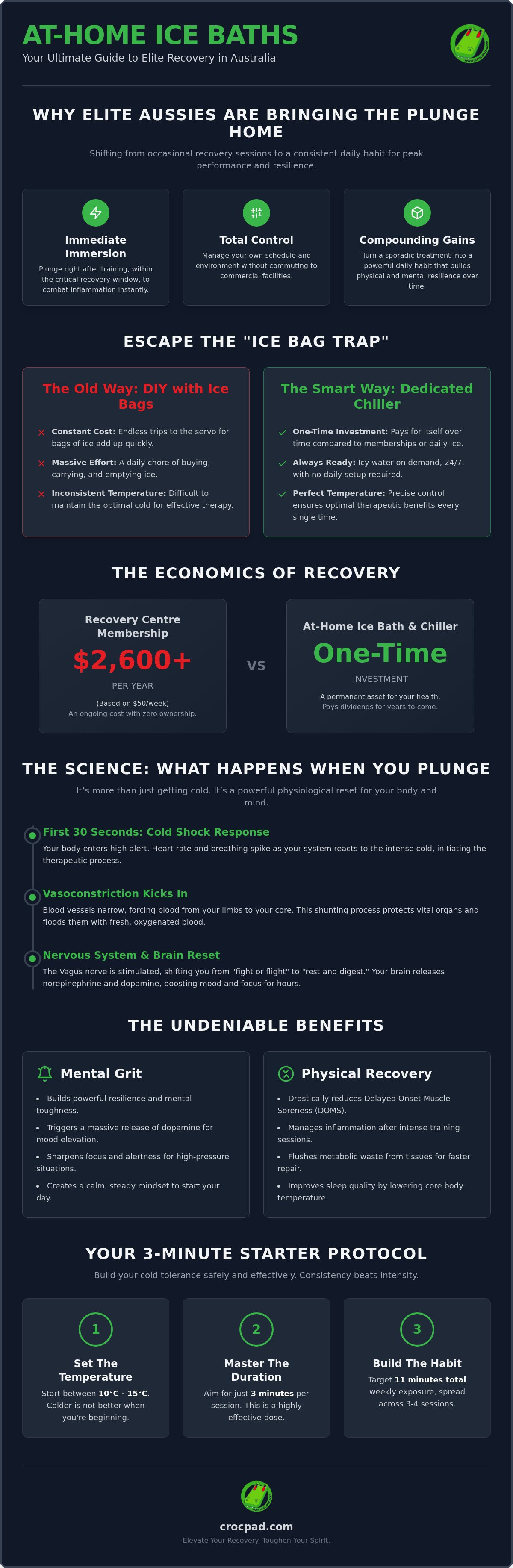
- Escape the "Ice Bag Trap" by learning how a dedicated chiller saves you time and money compared to buying bags of ice daily.
- Follow our expert 3-minute protocol to build your cold tolerance safely and effectively from your very first plunge.
- Identify the best recovery gear for your space, including durable, portable pods and high-performance chillers built for Australian conditions.
Why Aussie Athletes are Bringing the Ice Bath Home
Australia is a nation obsessed with performance. From local footy clubs to elite CrossFit boxes, the demand for faster recovery has never been higher. While professional athletes have used cold therapy for decades, the trend is shifting toward the backyard. Setting up an ice bath at home is no longer a luxury reserved for the pros; it is a practical solution for anyone serious about their fitness. You gain total control over your recovery schedule without the hassle of commuting to a commercial facility.
Immediate immersion is the secret to success. When you finish a gruelling session in the Australian heat, your body is in a state of high inflammation. Waiting an hour to drive to a recovery centre misses the critical window for cooling your core temperature. By having a station ready in your own home, you can jump straight from the squat rack into the ice. This immediacy turns a sporadic treat into a consistent, daily habit that compounds your gains over time.
To better understand how you can build your own setup, watch this helpful video:
The Mental Grit Factor
Stepping into freezing water is a workout for your brain. It builds a level of resilience that carries over into every part of your life. This voluntary cold exposure triggers a massive release of dopamine and norepinephrine, which are essential for mood regulation and alertness. A quick morning plunge centres your focus and prepares you to tackle a high-pressure workday with a calm, steady mindset. You aren't just chilling your muscles; you are toughening your spirit.
Physical Recovery and Performance
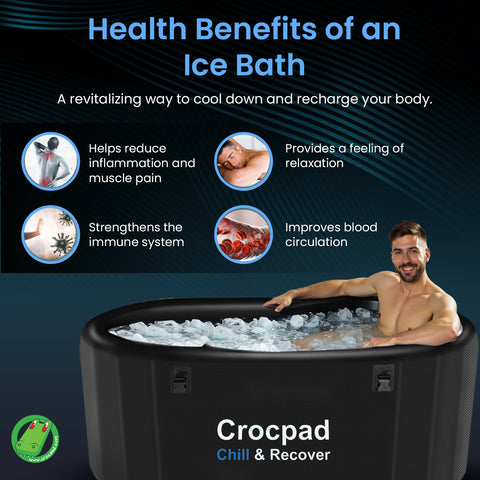
The physical benefits are undeniable. Cold immersion is the ultimate tool for reducing Delayed Onset Muscle Soreness (DOMS) after a heavy session. It works by managing inflammation and helping your body flush metabolic waste from your tissues. To understand the physiological mechanics, The Science of Cold Water Immersion (CWI) explains how temperature regulation impacts tissue repair. Regular use also improves sleep quality by lowering your core body temperature, allowing your nervous system to shift from "fight or flight" into a deep, restorative state.
Think about the economics of your recovery. A premium gym or recovery centre membership can easily cost you $50 a week. Over a year, that is $2,600 spent on someone else's equipment. Investing in a high-quality home setup provides a permanent solution with zero ongoing travel costs. It is a one-time investment that pays dividends in health, time, and performance for years to come.
The Science of Cold Water Immersion (CWI)
The moment your skin hits the water, your body enters a state of high alert. This initial phase, known as the cold shock response, lasts about 30 seconds and triggers a rapid spike in heart rate and breathing. While it feels intense, this is where the magic happens. Your blood vessels undergo immediate vasoconstriction, which is a narrowing of the vessels that forces blood away from your extremities and toward your vital organs. This process, often called shunting, protects your core temperature and oxygenates your most critical systems.
Beyond the physical rush, an ice bath at home acts as a powerful reset for your nervous system. By stimulating the Vagus nerve, cold exposure helps transition your body from a "fight or flight" sympathetic state into a "rest and digest" parasympathetic state. This shift is why many users report an immediate drop in stress levels and a sense of profound calm after a session. According to research on the Science of Cold Water Immersion, this process also floods the brain with norepinephrine, boosting focus and mood for hours.
You don't need to endure the cold for 20 minutes to see results. The minimum effective dose is surprisingly short. Most experts suggest that just 11 minutes of total weekly exposure, split across several sessions, is enough to trigger metabolic and mental benefits. If you're looking for a reliable way to start your journey, a portable ice bath provides the perfect controlled environment for these short, sharp sessions.
Temperature vs. Duration
For most Australians starting out, the sweet spot for water temperature is between 10°C and 15°C. Colder isn't always better. If your goal is maximum muscle hypertrophy, avoid plunging immediately after a heavy lifting session, as the anti-inflammatory effect may slightly blunt muscle growth signals. Instead, use the cold on rest days or after cardio. As the temperature drops, your duration should decrease; three minutes at 10°C is far more taxing than five minutes at 15°C.
Safety Precautions for Home Users
Never ignore the safety basics. The cold shock response can lead to panicked, shallow breathing, so focus on slow, controlled exhales to stay in command. Avoid cold plunging if you have pre-existing heart conditions or Raynaud's disease without consulting a doctor first. Always have a warming-up plan ready. Don't jump straight into a hot shower; instead, dry off, put on warm clothes, and let your body temperature rise naturally through light movement or a warm drink.
Choosing Your Setup: DIY Tubs vs. Professional Chillers
Most people start their journey by heading to the local servo for five bags of ice and dumping them into a standard bathtub. While this works for a one-off test, it quickly becomes what we call the "Ice Bag Trap." If you plunge three times a week, you're looking at a massive annual bill and a mountain of plastic waste. Setting up a dedicated ice bath at home requires a smarter approach that balances cost, hygiene, and convenience. DIY bathtubs are fine for testing the waters, but they lack the insulation to handle the Australian sun, meaning your water is lukewarm before you even step in.
Portable ice bath pods have emerged as the perfect middle ground. These units use high-density, triple-layered insulation to keep the water cold for hours. They are compact enough for a suburban balcony yet durable enough to sit on a driveway. Unlike a repurposed stock tank, they are designed for human bodies, offering a deeper soak that covers your shoulders and allows for better immersion. You get a professional-grade experience without the permanent footprint of a hard-shell tub.
Comparison of Home Plunge Options
When evaluating your recovery station, consider these three main paths:
- DIY Stock Tanks: Rugged and spacious, but they require heavy lifting to drain and constant chemical treatment to prevent algae buildup.
- Inflatable Pods: High portability and excellent insulation. These are the best choice if you want to take your recovery routine on a weekend away to the coast.
- Hard-shell Tubs: The premium, permanent option. They look great but lack the flexibility of portable units.
Maintenance is a non-negotiable part of the process. Without a proper filtration system, you'll need to change the water every few days to maintain hygiene. Portable pods simplify this with easy-drain valves, but for true "set and forget" recovery, you need to look at automated cooling.
Why an Electric Chiller Changes the Game
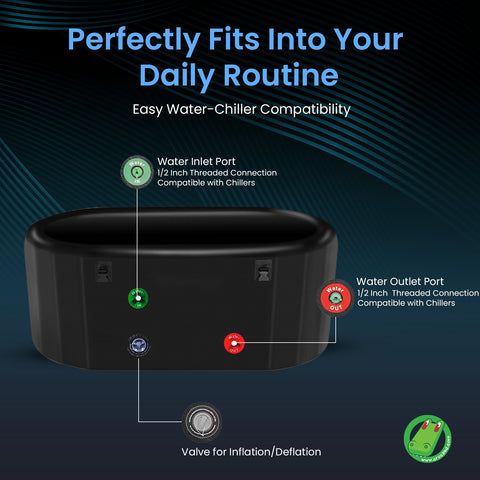
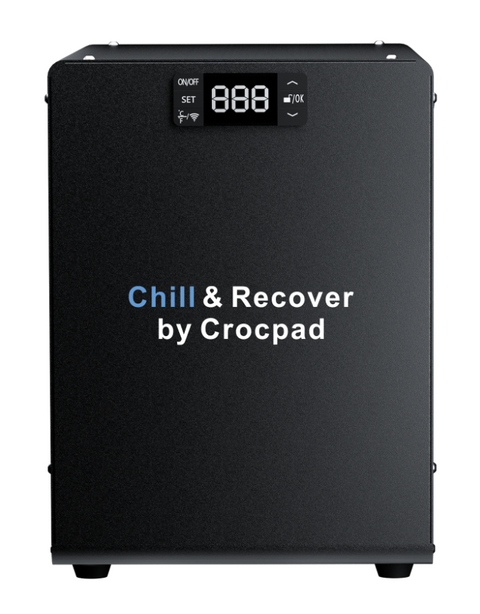
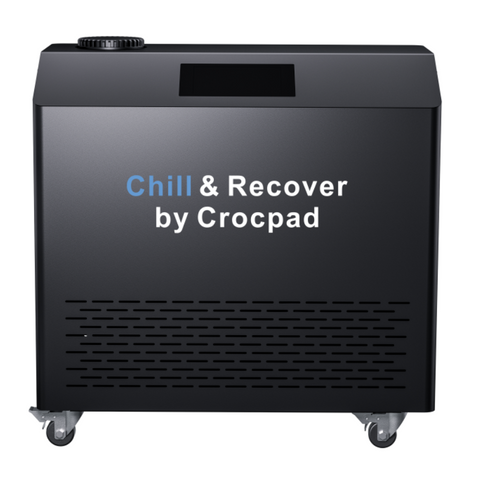
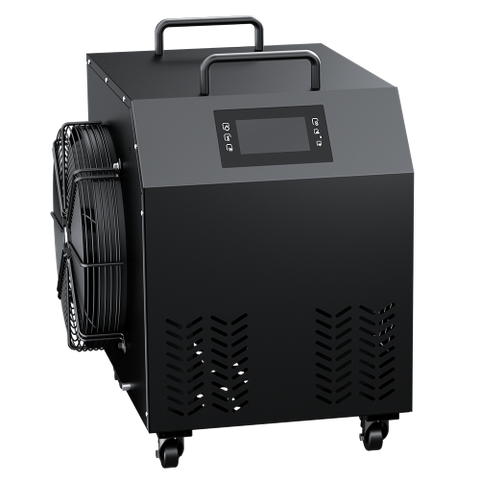
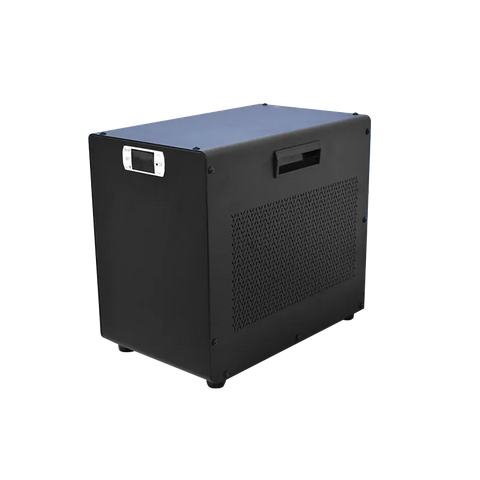
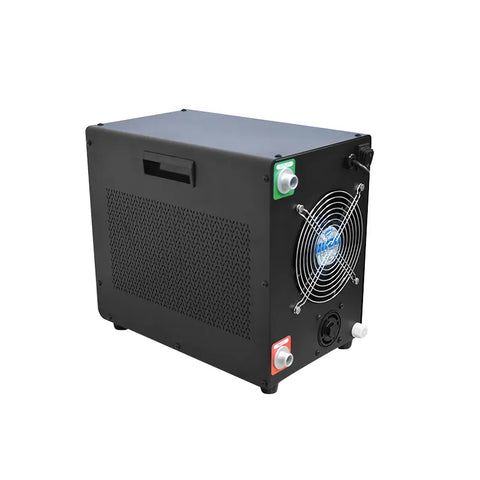
If you're chasing the research-backed benefits of cold therapy, an electric chiller is the ultimate upgrade. It holds your water at a precise temperature, often down to 3°C, regardless of how hot it gets outside. You simply set your preferred temp on the digital display and walk away. Most professional-grade chillers also include integrated 20-micron filtration and ozone sanitisation, keeping your water crystal clear for months at a time.
Think about the energy efficiency. Running a dedicated chiller is significantly cheaper than running a second freezer just to store bags of ice. It eliminates the friction of your morning routine. When you don't have to worry about buying ice or checking thermometers, you're far more likely to stick to your protocol. Investing in a Portable ice bath paired with a chiller turns a chore into a seamless, high-performance lifestyle habit.
How to Master Your First At-Home Session
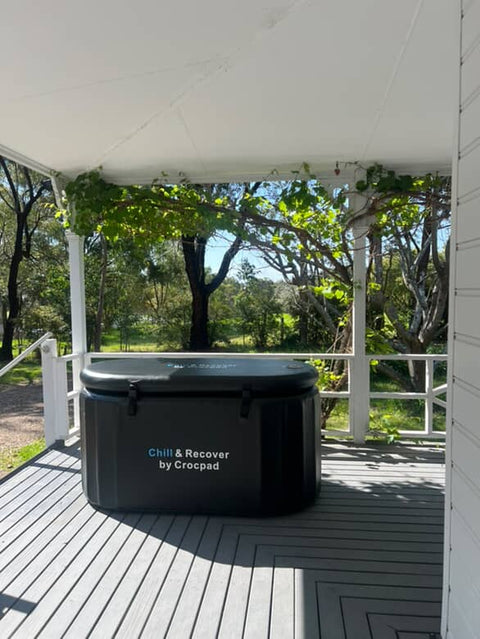
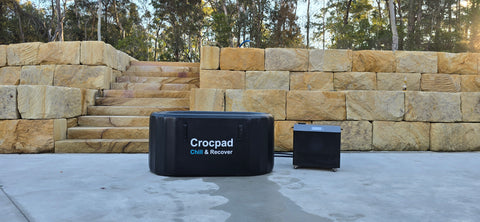
Setting up your ice bath at home requires more than just a cold tub; it needs a tactical environment. In the Australian climate, your outdoor space must handle significant water runoff and intense UV exposure. Position your plunge station on a level, non-slip surface like a rubber mat or textured concrete to prevent accidents when you step out with numb feet. Good drainage is essential so you don't flood your deck or create a muddy patch in the garden every time you refresh the water. If you are using an electric chiller, ensure your power source is weather-protected and kept away from the splash zone.
Mastering the "3-Minute Protocol" is your first major milestone. For your initial sessions, don't worry about hitting sub-5 degree temperatures. Aim for a manageable 10 to 12 degrees and focus entirely on staying still. The panic response is a natural survival instinct, but you can override it by controlling your breath. Use long, slow exhales to signal to your brain that you are safe. Once you hit the three-minute mark, you have achieved the primary recovery benefits without risking overexposure. After you exit, resist the urge to run for a hot shower. Use the "Horse Stance", a wide, low squat with slow arm movements, to generate internal heat. This encourages your body to rewarm naturally, which maximises the metabolic boost from the session.
Step-by-Step Entry Guide
Enter the water with purpose. Don't hesitate or dip a toe in; simply step in and sit down in one fluid motion. Keep your hands out of the water if the sting is too much at first, as fingertips and toes are the most sensitive to the cold. Once seated, focus your gaze on a single point and breathe. If you want to take your setup to the next level, check out the Portable ice bath options that make this process easier with ergonomic designs built for deep immersion.
Maintaining Your Home Ice Bath
Hygiene is vital in the Aussie heat. Use a small amount of hydrogen peroxide or Epsom salts to keep the water fresh and prevent algae growth. A high-quality, lockable lid is your best friend; it keeps out leaves, bugs, and debris while maintaining the water temperature. If you are using a chiller, check the filter every fortnight and give the interior a quick wipe-down every time you change the water. This keeps your recovery station ready for action 24/7 and ensures your equipment lasts for years.
Elevate Your Recovery with Crocpad Ice Baths and Chillers
Mastering the ice bath at home requires gear that doesn't quit when the Australian sun is at its peak. At Crocpad, we design our equipment to handle the unique demands of the local climate. While generic tubs might crack or lose their insulating properties under intense UV exposure, our pods and chillers feature heavy-duty, specialised materials built for longevity. You aren't just buying a container for cold water; you're investing in a professional-grade recovery station that maintains its structural integrity season after season.
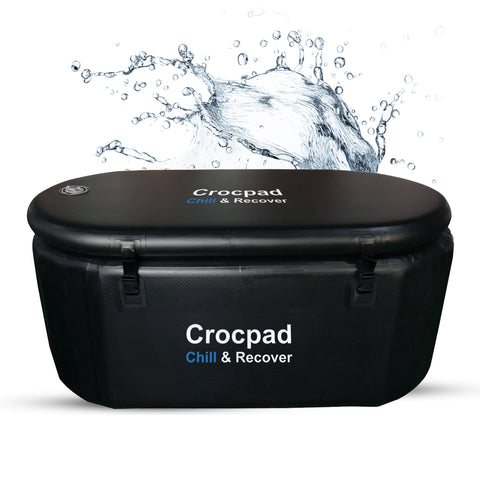
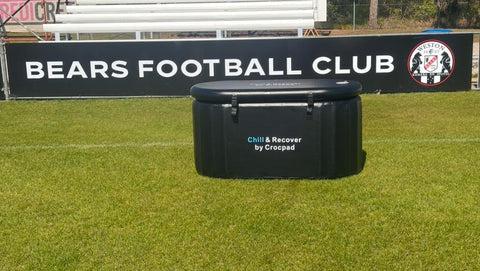
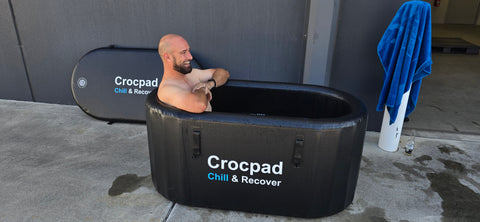
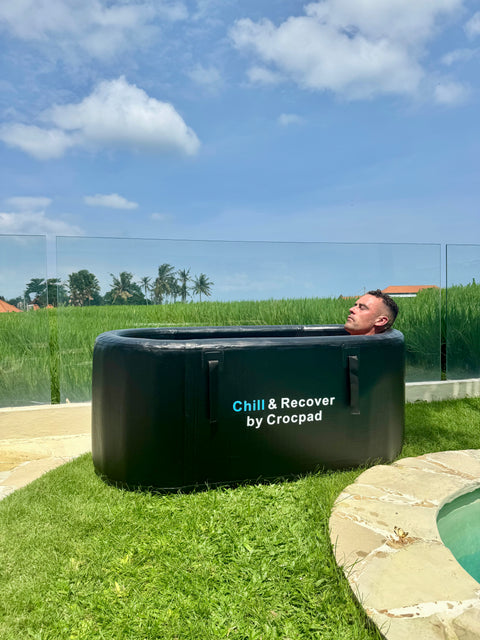
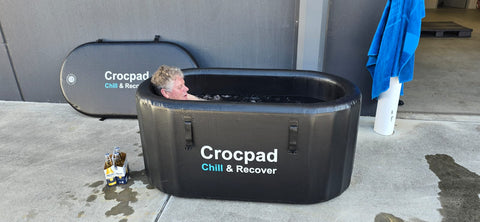
The Crocpad Ice Bath Pod serves as the perfect entry point for those ready to ditch the ice bag trap. It is compact enough for a balcony but deep enough for full-body immersion, ensuring you get the most out of every session. For the ultimate "set and forget" luxury, the Crocpad Chiller is the gold standard. It provides precise temperature control and integrated filtration, keeping your water crystal clear and ready for a plunge at a moment's notice. Join a growing community of Aussie athletes who take their recovery as seriously as their performance.
Which Crocpad Setup is Right for You?
Choosing the right gear depends on your space and how often you plan to plunge. Consider these high-performance options:
- The Ice Bath Pod: Ideal for space-conscious beginners who want a durable, insulated station that is easy to set up and drain.
- The Portable Ice Bath: Built for athletes who move between home and the track. It offers maximum flexibility without sacrificing depth or insulation.
- The Chiller System: The premier choice for serious recovery enthusiasts. It delivers consistent, automated cooling down to 3°C, eliminating the need for constant maintenance and ice runs.
Every piece of Crocpad gear is designed for rapid deployment. You can go from unboxing to your first plunge in minutes, allowing you to focus on the mental and physical benefits of the cold rather than the logistics of the setup.
Ready to Take the Plunge?
Getting started is straightforward. Our equipment comes with a clear setup guide and access to Australian-based customer support to help you optimise your routine. We stand behind our products with a robust warranty, giving you the confidence to push your limits every single day. Whether you are a weekend warrior or a professional athlete, we have the tools to help you recover faster and perform better.
Explore the Crocpad Ice Bath Collection here and start building your ultimate backyard recovery station today. It is time to stop making excuses and start reaping the rewards of consistent cold water immersion.
Take Command of Your Recovery Today
You now have the blueprint to master cold water immersion and bypass the common mistakes that hold most people back. By understanding the science of vasoconstriction and moving past the "ice bag trap", you can turn your backyard into a world-class wellness centre. Setting up a dedicated ice bath at home is about more than just muscle repair; it is about building the mental grit to conquer every day with focus and energy. You have learned the protocols, the safety essentials, and the gear needed to stay consistent through every Australian season.
Stop settling for inconsistent DIY setups that melt away your progress. As an Australian owned and operated brand, Crocpad delivers durable, UV-resistant gear designed specifically for high-performance recovery in our harsh conditions. It is time to invest in your longevity and reclaim your time. Upgrade your recovery with a Crocpad Ice Bath and Chiller today and feel the difference of a professional-grade plunge. Your body and mind will thank you. Stay cold, stay sharp, and keep pushing your limits.
Frequently Asked Questions
How long should I stay in an ice bath at home for the best results?
Aim for 2 to 5 minutes to trigger the primary recovery benefits without overstressing your system. Staying in longer than 10 minutes doesn't provide extra advantages and can increase the risk of hypothermia. Most users find that a 3-minute session is the perfect sweet spot for boosting mental clarity and reducing muscle soreness. Focus on quality and consistency rather than trying to break endurance records.
Is it better to take an ice bath immediately after a workout or wait?
Jump in as soon as possible if your goal is to reduce inflammation and heat stress after a gruelling session. For endurance athletes, immediate immersion helps flush metabolic waste and speeds up tissue repair. However, if you are training specifically for maximum muscle growth, wait 4 to 6 hours. This allows the natural inflammatory response to signal muscle adaptation before you cool things down.
How do I keep my home ice bath water clean without constantly changing it?
Use a combination of high-grade filtration and mild sanitisers like hydrogen peroxide or Epsom salts. A dedicated chiller with an integrated 20-micron filter and ozone generator is the most effective way to keep your water crystal clear for months. Always use a heavy-duty, lockable lid to keep out leaves and insects when the bath isn't in use to maintain hygiene levels.
Can I use a regular bathtub as an ice bath, or do I need a dedicated pod?
You can use a standard bathtub for occasional testing, but a dedicated Ice Bath Pod is superior for a regular routine. Bathtubs lack the insulation needed to keep water cold in Australian conditions and aren't deep enough for full-body immersion. A portable ice bath allows you to sit upright, ensuring the water covers your shoulders for a complete and effective recovery experience.
What is the ideal temperature for a home cold plunge session?
The ideal range for most users is between 10°C and 15°C to achieve the best physiological results. This temperature is cold enough to trigger the Vagus nerve and vasoconstriction without being dangerously overwhelming for beginners. As you build your resilience, you might drop the temperature toward 3°C or 5°C, but remember that consistency is always more important than hitting the absolute lowest temperature possible.
Do I really need a chiller, or is buying bags of ice more cost-effective?
An electric chiller is significantly more cost-effective for anyone plunging more than twice a week. Buying bags of ice from the local servo is expensive, creates massive plastic waste, and takes up valuable time. A chiller provides "set and forget" temperature control and filtration, saving you hundreds of dollars in ice costs and hours of preparation time over a single year.
Is it safe to do an ice bath every day?
Yes, daily cold plunging is safe for most healthy individuals and is an excellent way to build mental grit. It helps regulate your nervous system and provides a consistent boost to your mood and energy levels. However, listen to your body and avoid long sessions if you're feeling particularly run down or unwell. Always consult your doctor before starting a daily routine if you have pre-existing heart conditions.
What should I wear during my at-home ice bath session?
Standard swimwear is usually the best choice for an ice bath at home to allow maximum skin contact with the water. Some users prefer to wear neoprene socks or gloves if their fingers and toes are particularly sensitive to the initial sting. Keeping your skin exposed ensures the most effective cooling response, which is essential for triggering the metabolic and mental benefits of cold water immersion.
![Best Boat Water Toys for an Epic Australian Summer [2026]](http://www.crocpad.com/cdn/shop/articles/best-boat-water-toys-for-an-epic-australian-summer-2026.jpg?v=1784024769&width=480)