
What if the secret to smashing your personal best isn't more training, but a three-minute plunge into near-freezing water? You know that heavy, stubborn muscle soreness that lingers for days after a solid session. It's the same mental fatigue that makes your afternoon focus feel like wading through mud. You aren't alone in feeling the burn; in fact, suburban recovery experiences across Australia have surged by 200 percent as more people hunt for a genuine physical edge.
We understand the drive to perform at your peak while keeping your body in top gear. This science-backed guide breaks down the essential ice bath benefits that can transform your physical recovery and mental clarity. You'll discover how cold water immersion flushes out inflammation, improves sleep quality, and builds the kind of mental grit that carries you through any challenge. We are going to show you how to master the chill and build a sustainable home recovery routine that delivers professional results every single time. Get ready to reset your system and reclaim your energy.
Key Takeaways
- Master the science of vasoconstriction to flush metabolic waste and slash your recovery times after a heavy training session.
- Unlock a massive dopamine spike that sharpens your focus and builds the mental grit to stay calm under intense physical stress.
- Optimise your ice bath benefits by following a "low and slow" safety protocol to ensure your body adapts correctly to the cold.
- Discover why a dedicated chiller system is a superior, more cost-effective investment for your home recovery routine than buying bags of ice.
- Learn how to integrate this elite recovery secret into your daily lifestyle for sustained physical and mental performance.
What is Cold Water Immersion and Why is it Trending?
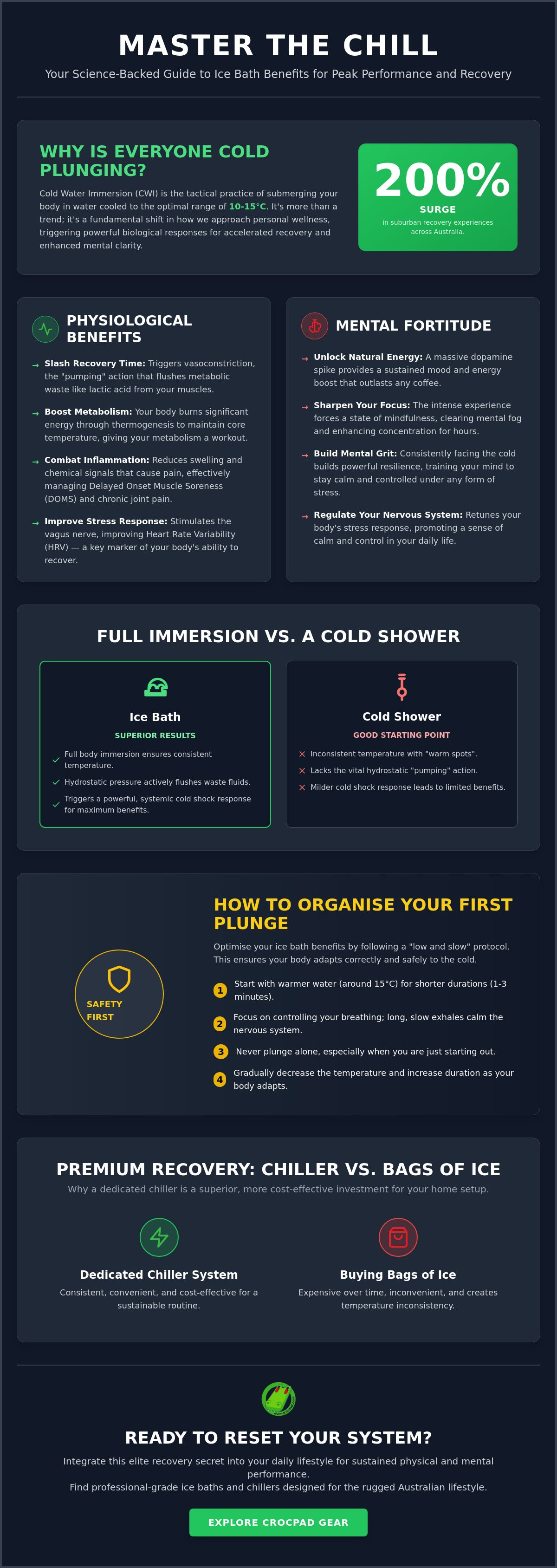
Cold-water immersion (CWI) is the tactical practice of submerging your body in water cooled to between 10 and 15 degrees Celsius for a specific duration. While the concept of using cold for healing stretches back to ancient Greek and Roman bathhouses, it has evolved into a high-tech recovery strategy for modern Australians. Today, this practice is no longer reserved for elite footy players in ice-filled bins after a grand final. It is a mainstream lifestyle choice for anyone looking to unlock the full spectrum of ice bath benefits. This 10 to 15 degree range is widely considered the sweet spot; it's cold enough to trigger a powerful biological response without being so extreme that it becomes unsafe for a daily routine.
In Australia, the rise of "cold plunging" is closely tied to our deep-rooted surf and fitness culture. From the sunrise swimmers at Bondi to the weekend warriors in Melbourne, the move toward proactive recovery has exploded. Recent data shows that suburban recovery experiences in Australia have grown by 200 percent. This massive surge is driven by a collective desire to perform better, recover faster, and build mental resilience. You can find high-quality gear to start your own journey at crocpad.com, where we specialise in premium recovery equipment designed for the rugged Australian lifestyle.
The Modern Biohacking Movement in Australia
High-performance athletes are leading the charge by bringing elite recovery tools into their own backyards. The mindset has shifted from "if I have time" to a non-negotiable daily ritual. Many Australians are now swapping their first morning coffee for a morning plunge. This ritual provides a natural energy kick that far outlasts a caffeine hit. It's about taking control of your biology to maximise ice bath benefits, such as improved mood and sustained focus throughout the day. This isn't just a trend; it's a fundamental change in how we approach personal wellness and longevity.
Ice Baths vs. Cold Showers
A common question is whether a cold shower is just as effective as a full plunge. While cold showers are a great starting point, they can't match the hydrostatic effect of full immersion. When you submerge in an ice bath, the water pressure helps compress the tissues and move fluids more effectively. This "pumping" action is vital for flushing metabolic waste. Additionally, a tub maintains a consistent temperature across your entire body. A shower often has "warm spots" and lacks the intense cold shock response needed to trigger deep physiological change. If you want the real results, you need to get all the way in.
The Science of the Chill: Physiological Ice Bath Benefits
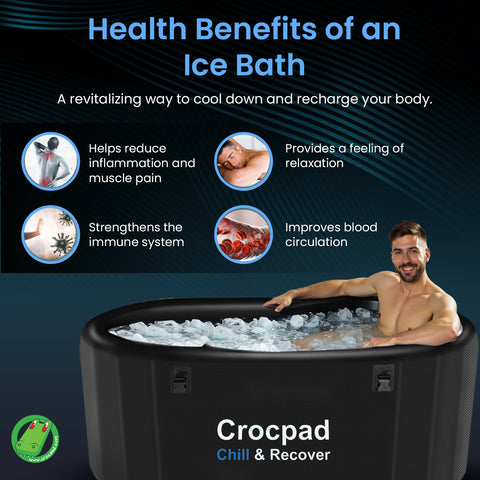
The moment you step into the water, your body initiates a survival response that is nothing short of extraordinary. This isn't just about feeling cold; it's a tactical biological reset. One of the primary ice bath benefits is the "pumping" action created by the cycle of vasoconstriction and vasodilation. When you are in the cold, your vessels tighten, pushing blood toward your core to protect your vitals. Once you step out and begin to warm up, those vessels open wide, flooding your muscles with fresh, oxygenated blood. This process helps flush out metabolic waste products, such as lactic acid, that accumulate after a heavy session at the gym or a long day on the surf.
Your body also works overtime to maintain its core temperature through a process called thermogenesis. This provides a significant metabolic boost as your system burns energy to create heat. It is essentially a high-intensity workout for your metabolism while you remain perfectly still. Beyond the metabolic demand, submerging yourself up to the neck stimulates the vagus nerve, the main component of your parasympathetic nervous system. Regular stimulation helps improve your heart rate variability (HRV), which is a key indicator of how well your body handles stress and recovers from physical exertion.
Combatting Inflammation and DOMS
Delayed Onset Muscle Soreness (DOMS) can sideline even the most dedicated athlete. Cold therapy works by slowing down cellular processes and reducing the chemical signals that cause pain and swelling. Vasoconstriction is the narrowing of blood vessels to shunt blood to vital organs. This immediate reaction helps manage chronic joint pain by limiting the inflammatory response in stressed tissues. If you're looking to upgrade your recovery setup, check out the professional-grade ice baths and chillers available to bring this elite technology into your own backyard.
Nervous System Regulation
Consistent plunging does more than just fix sore muscles; it re-tunes your nervous system. By repeatedly exposing yourself to the controlled stress of the cold, you train your brain to activate the parasympathetic nervous system more efficiently. Over time, this leads to a lower resting heart rate and significantly better emotional control under pressure. There is also strong evidence suggesting that regular cold exposure boosts immune system markers. This helps you stay on the field and out of bed, ensuring your training schedule remains uninterrupted regardless of the season.
Mental Fortitude: How Cold Plunging Builds Resilience
While the physical recovery is a massive drawcard, the true power of cold water immersion lies between your ears. Stepping into a tub of near-freezing water is a deliberate choice to face discomfort. This practice builds a unique type of mental grit that transfers directly into your daily life, from high-pressure meetings to intense training sessions. By mastering the chill, you are training your brain to stay calm when your body is screaming to quit. This mental edge is one of the most underrated ice bath benefits, providing a tactical reset that sharpens your focus and fortifies your resolve.
The psychological shift starts the moment you break the surface. You aren't just chilling your muscles; you are engaging in a process called "top-down control." This is where your prefrontal cortex, the logical part of your brain, overrides the amygdala's panic response to the cold shock. Over time, this makes you less reactive to stress in the outside world. You'll find that the small frustrations of life don't rattle you like they used to. You've already won the hardest battle of the day before breakfast.
The Dopamine Factor
Science shows that cold exposure triggers a massive chemical reward. Research has documented that a single plunge can increase baseline dopamine levels by up to 250 percent. Unlike the quick spike and crash you get from a sugary snack or a double espresso, this is a slow-release rise that can last for hours. This sustained elevation in dopamine improves your mood, enhances your motivation, and keeps you dialled in. Along with dopamine, your body releases norepinephrine. This neurotransmitter acts like a natural wake-up call, dramatically increasing alertness and cognitive function. It is the ultimate natural high for any high-performer.
Stress Inoculation
Think of each session as a form of "voluntary hardship." By exposing yourself to a controlled stressor, you are inoculating your nervous system against future challenges. Mastery of the initial cold shock response requires deep, controlled breathing. This teaches you how to regulate your heart rate and maintain composure when things get tough. It's about winning that inner battle every single morning. If you are ready to build this resilience at home, you can find the gear you need at crocpad.com to start your own routine.
Regular plunging also plays a vital role in emotional wellbeing and sleep. The drop in core temperature after you exit the bath signals to your brain that it is time to rest, facilitating a deeper and more restorative sleep cycle. This temperature regulation is a key trigger for melatonin production. When you combine better sleep with reduced symptoms of anxiety and depression through consistent nervous system regulation, you've got a powerhouse tool for total mental health. You aren't just surviving the cold; you're using it to thrive.
How to Organise Your First Cold Plunge Safely
Safety is the foundation of any elite recovery programme. Before you jump into the deep end, you must consult a medical professional, especially if you have a history of heart conditions or blood pressure issues. The cold shock response is a powerful physiological event, and you want your body to handle it with confidence and control. For your first few sessions, never plunge alone. Have a mate nearby to keep an eye on things while you adjust to the sensation and ensure you can exit the water safely. This isn't about being tough; it's about being smart with your biology.
The "Low and Slow" method is the gold standard for beginners. Start with a water temperature around 15 degrees Celsius and aim for just two minutes of immersion. This allows you to experience the core ice bath benefits without overwhelming your nervous system. As you become more resilient and your body adapts, you can gradually drop the temperature and increase the duration. There is no need to rush toward freezing temperatures on day one to see genuine results.
Temperature and Timing Guidelines
More is not always better when it comes to the cold. Staying in until you are completely numb leads to diminishing returns and significantly increases the risk of hypothermia. Your goal is to trigger a biological response, not to test your absolute limits of survival. Listen to your body's signals carefully. Once you start shivering uncontrollably, it is a clear sign from your nervous system that it is time to get out. For most people, a frequency of two to four times per week provides the optimal balance for long-term health gains and recovery.
The Pre-Plunge and Post-Plunge Ritual
Preparation starts before your toes even touch the water. Use simple box breathing or deep belly breaths to settle your heart rate and settle your mind before entry. Once you exit the bath, resist the urge to jump straight into a hot shower. Rapidly heating the skin can cause your blood vessels to dilate too quickly, which often leads to dizziness or fainting. Instead, focus on "active rewarming." Use the "Horse Stance" or light calisthenics to generate natural body heat from the inside out. This ensures your system stabilises naturally and safely.
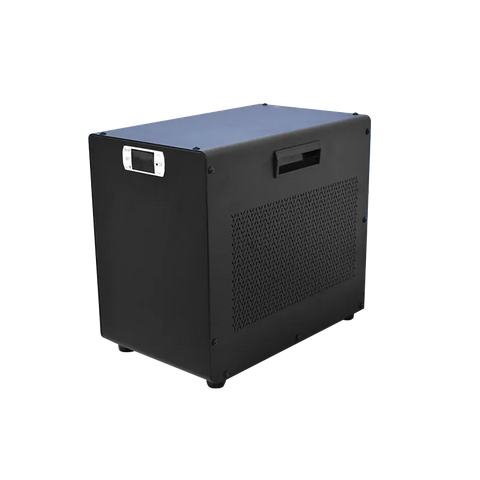
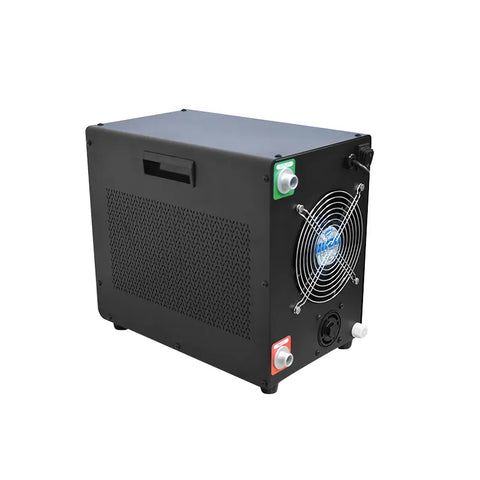
Managing the logistics of your plunge is just as important as the technique itself. Relying on dozens of bags of ice from the local petrol station is a massive logistical nightmare that gets expensive and exhausting very quickly. To make your recovery routine sustainable and temperature-consistent, check out our range of ice baths and chillers to bring professional-grade recovery into your own home. Having a system ready to go at the touch of a button means you'll actually stick to the routine and reap the rewards every single day.
Premium Recovery: Why a Chiller System Beats Bags of Ice
Stop wasting your time and money at the local servo. While starting your journey with bags of ice is a common entry point, it quickly becomes a logistical nightmare that kills your momentum. Buying twenty kilos of ice for a single session is expensive, messy, and incredibly inconsistent. To truly maximise your ice bath benefits, you need precise temperature control. If your water is 15 degrees one day and 18 degrees the next because the ice melted too fast, your body can't adapt to a reliable recovery stimulus. A dedicated chiller system removes the guesswork, ensuring your water is crisp, clean, and ready the second you decide to plunge.
Consistency is the secret ingredient to long-term health gains. When you have 24/7 access to a chilled tub, your recovery shifts from a "sometimes" luxury to a non-negotiable daily habit. You no longer have to plan your afternoon around an ice run. You simply lift the lid and step in. This level of convenience is what separates those who try cold therapy from those who transform their lives with it. By maintaining a steady temperature, you ensure that every single plunge triggers the exact physiological response needed for cellular repair and mental clarity.
The Crocpad Advantage
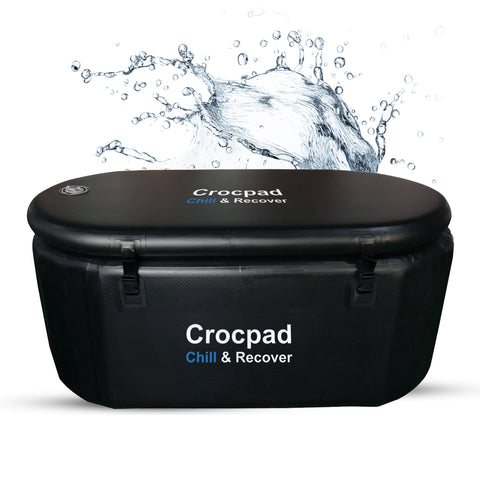
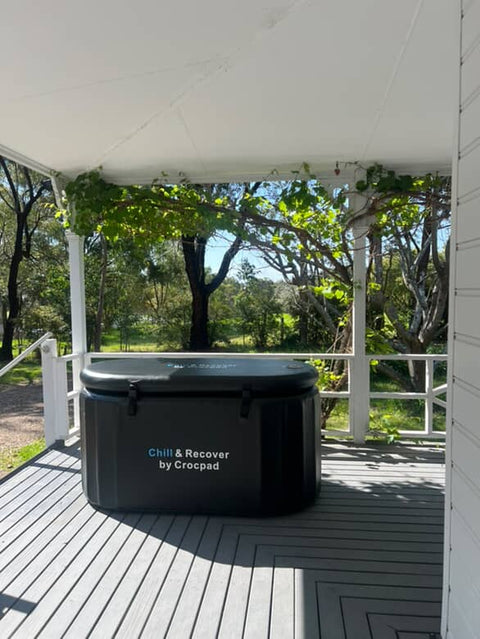
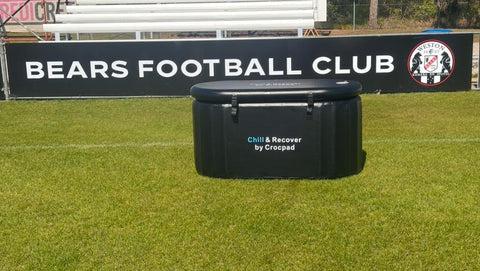
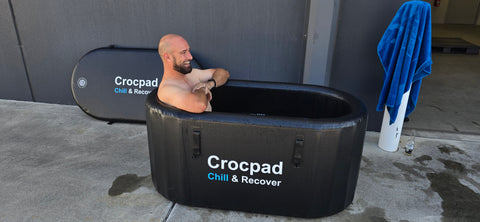
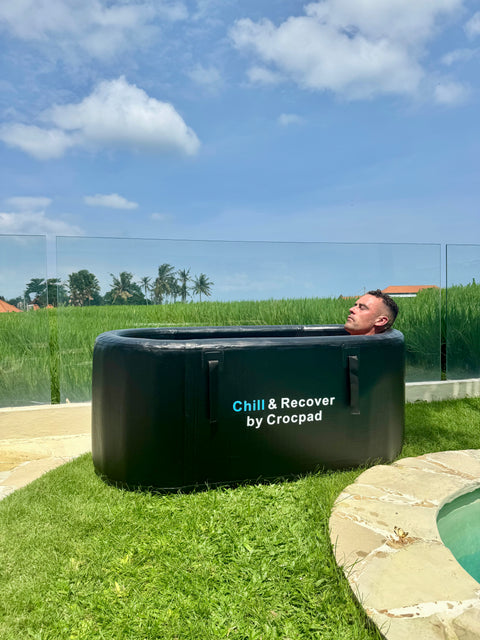
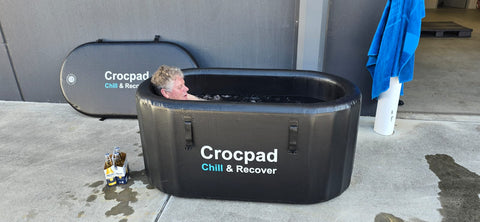
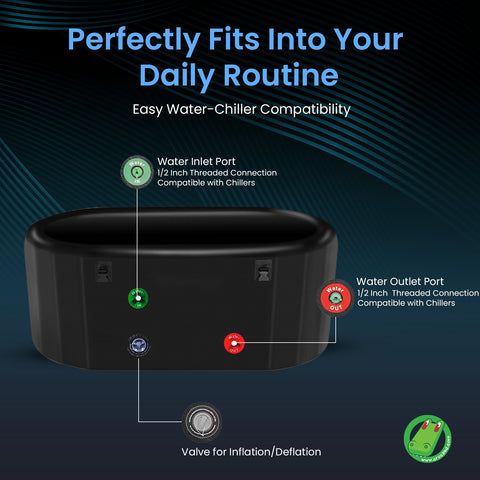
Our high-performance ice baths are engineered specifically for the rugged conditions of the Australian backyard. We use premium drop-stitch construction, the same high-strength technology found in professional inflatable paddleboards. This creates a rock-solid, durable tub that mimics a permanent hard-shell bath while remaining completely portable. Each unit features advanced insulated layers designed to keep the cold in and the heat out, even during a blistering Aussie summer. This superior thermal regulation means your chiller doesn't have to work overtime, saving you energy while keeping your recovery space looking sleek and professional.
Investing in Your Longevity
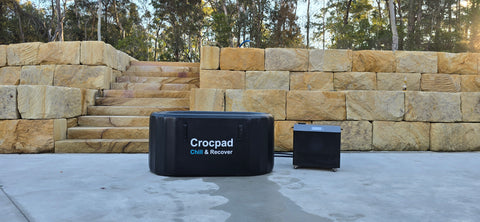
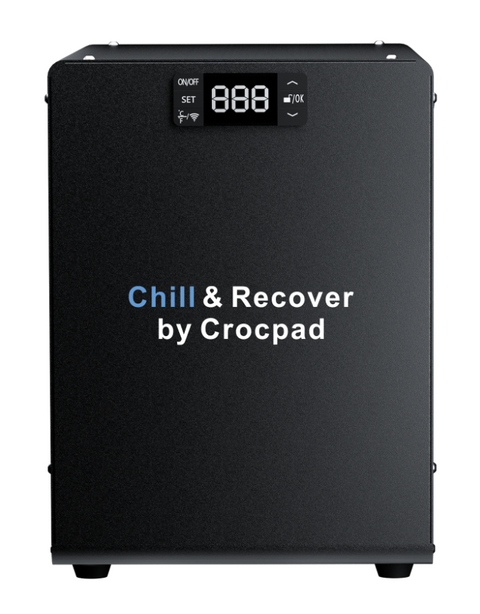
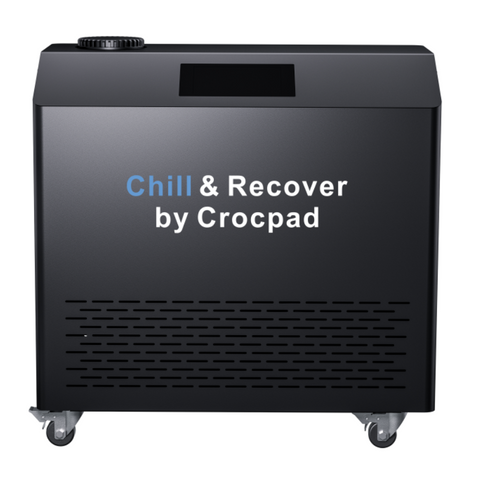
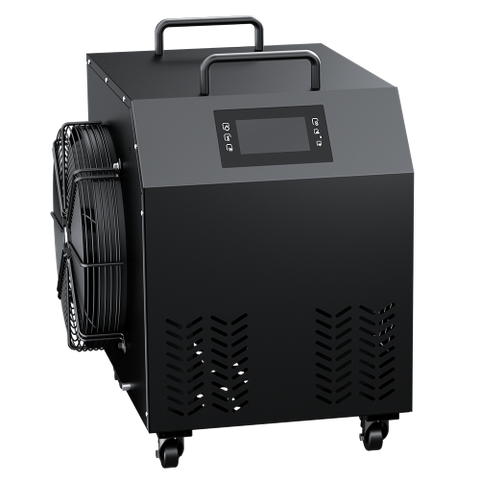
Think about the time you'll reclaim with an automated system. An integrated chiller doesn't just cool the water; it cleans it. Crocpad chillers come equipped with professional-grade filtration and ozone disinfection features. This keeps your water crystal clear for weeks, reducing the need for constant draining and refilling. You are investing in a system that respects your time and prioritises your hygiene. When you calculate the cost of daily ice bags and the hours spent on maintenance, a dedicated system pays for itself in months. It is the ultimate upgrade for anyone serious about their physical and mental performance.
Ready to level up? Explore Crocpad’s Ice Baths & Chillers here and bring the ultimate recovery secret into your daily routine.
Master Your Recovery Today
Take control of your biology and transform your daily performance. You've seen how cold water immersion flushes out inflammation and builds the mental grit required to stay calm under pressure. By mastering the chill, you unlock long-term ice bath benefits that range from deeper sleep to a sharper, more focused mind. Consistency is the only way to turn these physiological shifts into a lasting lifestyle upgrade. It's about making the choice to show up for your body every single morning.
Don't let the hassle of buying ice bags slow you down. As a trusted Australian brand, we provide heavy-duty, portable recovery equipment designed to withstand the toughest conditions. Our systems feature advanced filtration and cooling technology to ensure your water stays crystal clear and perfectly chilled 24/7. It is time to stop surviving your training sessions and start thriving through them. You have the tools; now you just need to take the plunge.
Upgrade your recovery with a Crocpad Ice Bath and Chiller today. Your future self will thank you for the reset.
Common Questions About Cold Water Immersion
How long should I stay in an ice bath to see benefits?
You only need to stay submerged for 2 to 5 minutes to trigger the most significant physiological responses. Research suggests that staying in longer than 15 minutes provides diminishing returns and increases your risk of hypothermia. Focus on the quality of your breathing and staying calm during those few minutes rather than trying to set a world record. Consistency over time is much more important than the duration of a single session.
Can I do an ice bath every day?
You can certainly plunge every day, but many athletes find that 2 to 4 times per week is the sweet spot for physical recovery. If your primary goal is building muscle mass, avoid the ice immediately after a heavy lifting session, as it can blunt the natural inflammatory response needed for muscle growth. For mental clarity and stress management, a daily morning dip is a powerful tool to kickstart your nervous system.
What is the best temperature for an ice bath?
The best temperature for an ice bath usually falls between 10 and 15 degrees Celsius. This range is cold enough to provide all the core ice bath benefits without being dangerously extreme for beginners. More experienced plungers might venture down to 3 or 5 degrees for a greater challenge, but the 10 to 15 degree window remains highly effective for flushing metabolic waste and boosting your mood.
Should I take an ice bath before or after a workout?
Most people use cold water immersion after a workout to reduce muscle soreness and speed up recovery. However, taking a quick plunge before exercise can increase alertness and lower your core temperature, which is helpful during endurance events in the Australian heat. If you are training for pure strength or size, wait at least 4 hours after your session to ensure you don't interfere with your body's natural muscle-building signals.
Do ice baths help with weight loss?
Ice baths can support weight loss by activating brown adipose tissue, which burns calories to generate heat through non-shivering thermogenesis. While it isn't a substitute for a healthy diet and exercise, the metabolic boost from staying warm in the cold can increase your daily energy expenditure. It's a great supplementary tool for those looking to optimise their body composition and improve their metabolic health naturally.
Is it safe to do a cold plunge if I have high blood pressure?
You must consult your GP before starting cold water therapy if you have high blood pressure or any heart conditions. The initial cold shock response causes a sudden spike in heart rate and blood pressure as your vessels constrict. While healthy individuals can manage this controlled stress, it can be risky for those with underlying cardiovascular issues. Always prioritise your safety and get professional medical clearance first.
What should I wear during a cold plunge?
Standard swimwear like boardies, a bikini, or a one-piece is the best choice for a cold plunge. Some users prefer to wear neoprene booties or gloves if their extremities feel particularly sensitive to the chill during the first few minutes. The goal is to have as much skin contact with the water as possible to ensure the most effective cooling and the strongest possible nervous system stimulation.
How do I keep my ice bath water clean?
The easiest way to keep your water pristine is by using a dedicated chiller system with built-in filtration and ozone disinfection. If you are using a basic tub without a pump, you'll need to change the water every few days and use a small amount of hydrogen peroxide or specialised sanitisers. Always rinse off any sweat or dirt in a quick shower before you step into the bath to maintain the water quality for longer.