
Did you know that a three-minute dip in near-freezing water can spike your dopamine levels by 250% and send your noradrenaline soaring by a massive 530%? If you're an active Aussie, you've likely felt the heavy drag of muscle soreness after a weekend footy match or struggled to stay sharp when a summer heatwave drains your energy. It's frustrating to feel burnt out by midday when you've got a life to live and goals to smash. Realising the actual benefits of cold plunge is the first step toward reclaiming your peak performance and staying in the game longer.
This article will show you exactly how cold water immersion transforms your physical recovery, builds unbreakable mental grit, and fits perfectly into the adventurous Australian lifestyle. We'll dive into the physiological shifts that occur when you hit the ice, from reduced inflammation to significantly improved sleep quality. You'll also learn how a simple, reliable home ritual using a portable ice bath pod can replace the hassle of buying bags of ice; it gives you a professional-grade recovery centre right in your own backyard. Get ready to experience a total body reset that keeps you moving, no matter how hard you train or how high the temperature climbs.
Key Takeaways
- Learn why immersion in water below 15 degrees Celsius is the ultimate hack for active Aussies looking to crush muscle soreness and boost daily energy.
- Unlock the mental benefits of cold plunge with evidence-based insights into how a three-minute dip can spike your dopamine levels by up to 250%.
- Compare the efficiency of high-performance water chillers against old-school ice bags to build a reliable, professional-grade recovery ritual at home.
- Master the "Box Breathing" technique to control your initial cold shock response and safely progress toward advanced recovery sessions.
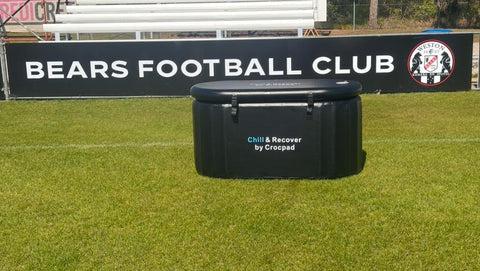
- Find out why portable ice bath pods are the preferred choice for footy players and surfers who demand durability and high standards from their gear.
What is a Cold Plunge? Understanding Cold Water Immersion
A cold plunge is far more than just a chilly dip in the surf. At its core, it is a deliberate form of cryotherapy involving full-body immersion in water typically chilled to below 15 degrees Celsius. While it might feel like the latest wellness craze sweeping through Australian gyms and recovery centres, the practice is actually thousands of years old. From the physicians of ancient Egypt to the elite sports scientists of today, humans have used extreme cold to sharpen the mind and repair the body. To truly understand What is an ice bath?, you have to look past the shivering and focus on the biology.
The moment you step into a dedicated Ice Bath Pod, your system enters a state known as the Cold Shock Response. Your heart rate increases, your blood vessels constrict, and your breath hitches. This is a survival mechanism, but when controlled, it becomes a powerful training tool. This response is a primary driver behind the benefits of cold plunge, as it forces your vascular system to work harder and your brain to find focus amidst the intensity. It is a total system reboot that leaves you feeling incredibly alive and alert.
The Difference Between Cold Showers and Ice Baths
You might think a cold shower at the end of your morning routine is enough. While showers are a great entry point, they lack the hydrostatic pressure provided by a deep Portable ice bath. When you are fully submerged, the water pressure helps compress your tissues, which assists in flushing out metabolic waste after a heavy workout. Total immersion up to the neck also ensures you stimulate the vagus nerve. This is a critical component of your parasympathetic nervous system that helps regulate your mood and heart rate. A shower simply cannot provide the same level of therapeutic depth or consistent temperature control as a dedicated pod.
Why Consistency is the Secret Ingredient
The real power of cold water immersion lies in the cumulative effect. Plunging once is a challenge; plunging every day is a transformation. Through a process called cold thermogenesis, your body actually adapts to the low temperatures, becoming more efficient at producing its own heat and burning energy. This adaptation is one of the long-term benefits of cold plunge that you won't get from a one-off session. We suggest aiming for a 3-minute daily ritual. This short window is long enough to trigger the necessary hormonal shifts without overtaxing your system. Over weeks and months, this habit builds the mental grit and physical resilience needed for the demanding Australian lifestyle.
The Science of the Chill: Physical and Mental Breakthroughs
Research confirms that cold water immersion triggers a massive surge in neurochemicals, specifically a 250% increase in dopamine. Unlike the fleeting spike you might get from a morning coffee or scrolling through social media, this "feel-good" hormone elevation remains in your system for hours. It creates a sustained state of calm focus and elevated mood that carries you through the toughest workday. This neurological shift is one of the most immediate benefits of cold plunge, providing a natural high that sharpens your mental edge without a subsequent crash.
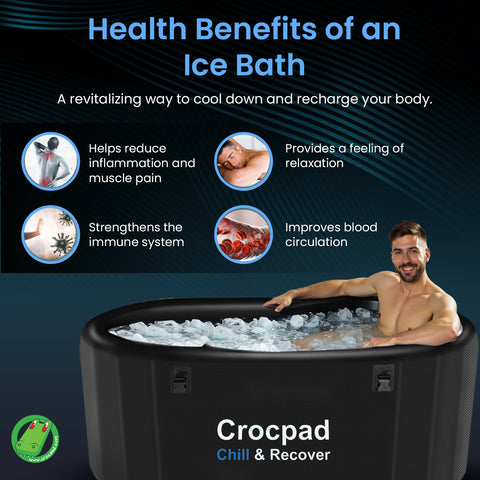
On a physical level, the breakthroughs start with vasoconstriction. When you submerge in a high-quality Ice Bath Tub, your blood vessels tighten, forcing blood toward your core and vital organs. This process effectively flushes out metabolic waste and reduces systemic inflammation throughout your muscles and joints. Over time, regular exposure trains your cardiovascular system to be more efficient. This often leads to a lower resting heart rate and better overall resilience, making your body a more effective machine for both sport and daily life.
Mental Grit: Building Resilience via the Vagus Nerve
The first 30 seconds of any plunge are a battle. Your brain signals an alarm to get out, but staying in develops what scientists call "top-down control." This is the practice of using your prefrontal cortex to override your primitive stress response. By calming your breath and choosing to stay still, you are literally training your discipline and willpower. Regular exposure helps suppress cortisol, the body's primary stress hormone, while toning the vagus nerve. The result is a sharp, post-plunge clarity that makes you more productive and far less reactive to the stressors of a busy Australian lifestyle.
Metabolism and Weight Management
Brown adipose tissue is a specialised type of body fat that activates in cold temperatures to burn calories and generate heat for the body. When you shiver in the water, your system enters a state of thermogenesis, boosting your metabolic rate even after you have dried off and warmed up. It acts like a powerful internal furnace. It is worth noting that while cold exposure is a high-performance tool for health, it works best as a supplement to a balanced diet and regular exercise rather than a standalone solution.
Recovery Redefined: Benefits for the Australian Lifestyle
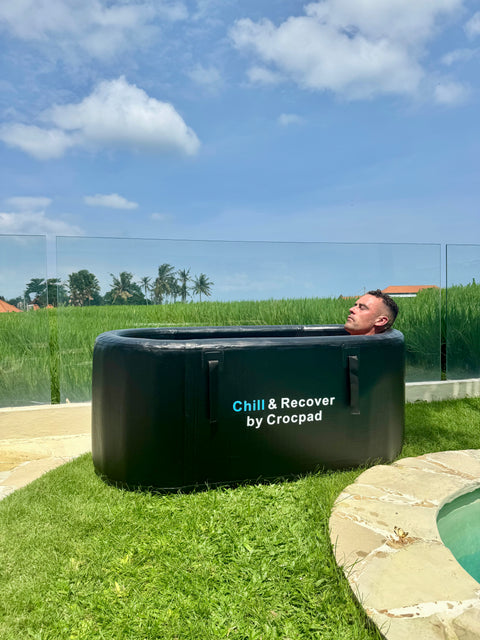
Living in Australia means moving. Whether it's a Saturday morning at the local footy oval or a long session chasing swells at the beach, our bodies take a hammering. One of the most practical benefits of cold plunge therapy is how it integrates into this high-octane lifestyle. It turns your backyard or balcony into a high-performance recovery centre. While clinical studies often focus on the lab, the real magic happens when you can wake up on a Sunday without the usual stiffness that follows a heavy day of cricket or a brutal surf session.
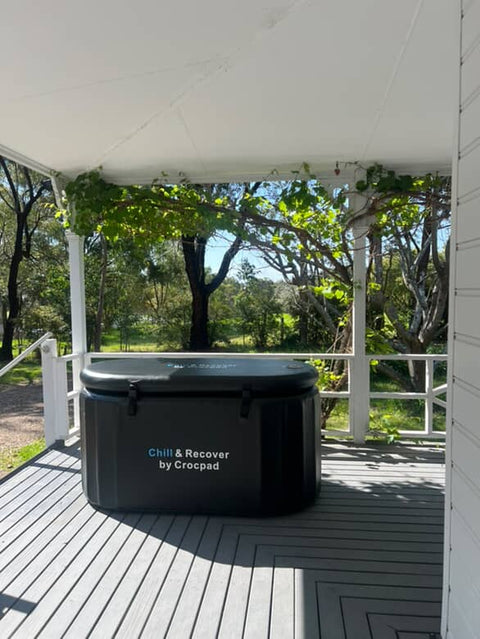
The portability of modern recovery gear has changed the game for those who refuse to stay in one place. You're no longer tethered to a gym or a professional facility. A Portable ice bath can go where you go, from the deck of a boat to a remote holiday house on the coast. These pods are built to withstand the harsh Australian sun and salt air, ensuring your recovery ritual stays consistent even when you're off the grid. It's about maintaining that adventurous spirit without sacrificing your physical longevity.
Post-Sport Recovery: Footy, Surf, and Beyond
After a match or a long swim, your muscles are often riddled with micro-tears and metabolic waste. Immersion in an Ice Bath Tub triggers a "flushing" effect. By constricting the blood vessels, you force out these waste products. Once you exit and warm up, fresh, oxygenated blood rushes back into the tissue. This process significantly reduces Delayed Onset Muscle Soreness (DOMS), which is the heavy, leaden feeling in your legs two days after a game. It's why elite Australian athletes have made plunging a non-negotiable part of their schedule. It allows them to back up a heavy training session with another one the very next day.
Beating the Heat: Plunging for Thermoregulation
Aussie summers are legendary, but the heatwaves can be brutal on your recovery and sleep. Using an Ice Bath Chiller to maintain a crisp 10 degrees provides an immediate cooling effect on your core body temperature. This rapid thermoregulation is a lifesaver on humid nights. Lowering your core temperature before bed has been shown to improve sleep quality, helping you fall asleep faster and stay in deep sleep longer. Instead of tossing and turning in the heat, a quick three-minute plunge acts as the ultimate "cool down" after a day in the sun, resetting your system for a restful night.
Setting Up Your Recovery Station: Ice vs. Chillers
Once you've decided to embrace the benefits of cold plunge, the next hurdle is the setup. While some suggest starting in a standard bathtub, anyone who's tried this in a Queensland or WA summer knows the water rarely gets cold enough to trigger a real response. You need a dedicated system that can handle the environment. This means choosing between the "old school" method of manual icing or investing in modern chiller technology. For a ritual to stick, it has to be convenient; otherwise, it just becomes another chore on your weekend to-do list.
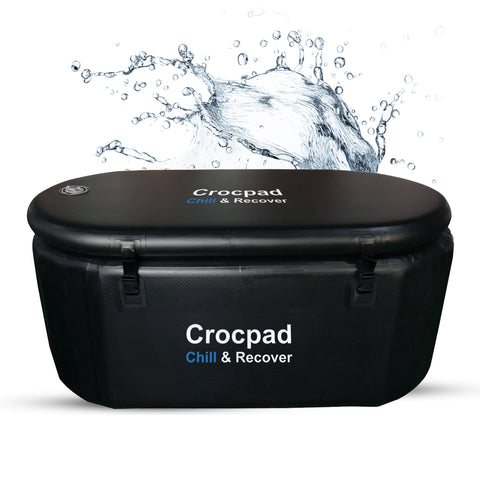
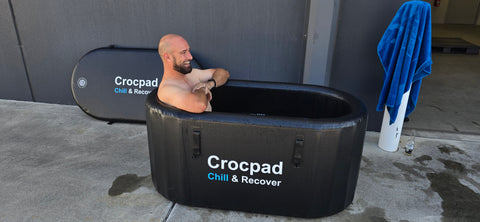
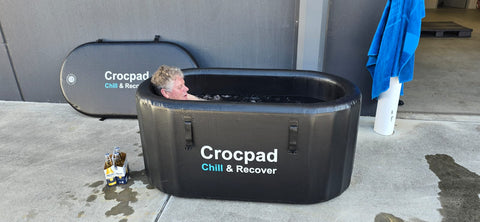
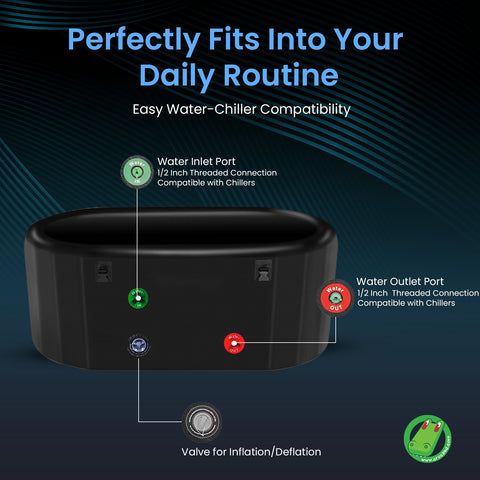
Inflatable recovery gear, like a high-quality Ice Bath Pod, offers a massive advantage over permanent timber tubs. These pods are designed with advanced insulation to keep the cold in and the Aussie heat out. They're also incredibly easy to set up. You can have your station ready in minutes, and because they're portable, you aren't stuck with a massive, heavy fixture in your yard. It's about having professional-grade gear that fits your life and your space.
The True Cost of Buying Ice
Buying bags of ice from the local servo might seem cheap at first, but the logistics are a nightmare. To get a standard tub down to effective therapeutic temperatures, you'll need at least 20kg to 40kg of ice per session. That's a lot of heavy lifting and several trips to the shop every single week. Then there's the environmental impact; the sheer amount of single-use plastic waste from those ice bags is staggering. When you add up the weekly cost over a year, the "cheap" option starts to look like a very expensive mistake. Transitioning to a permanent solution is the smartest way to ensure you never miss a recovery session.
Chiller Technology: Set and Forget
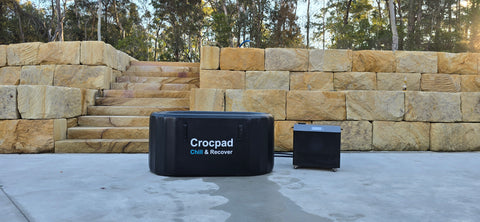
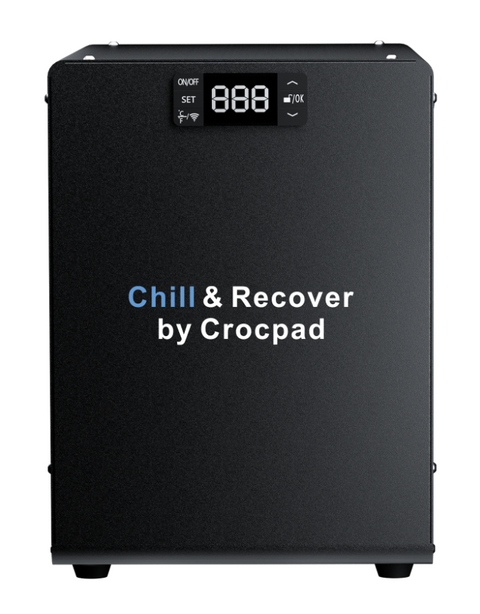
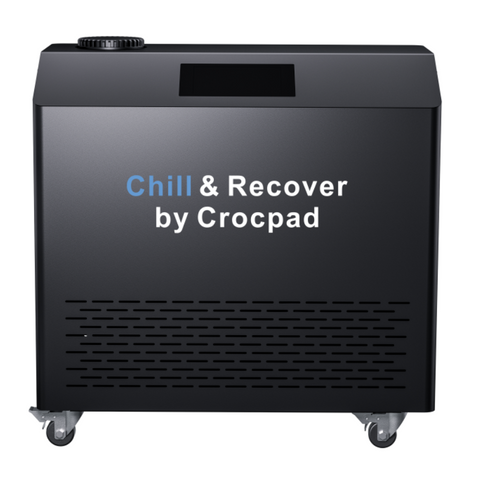
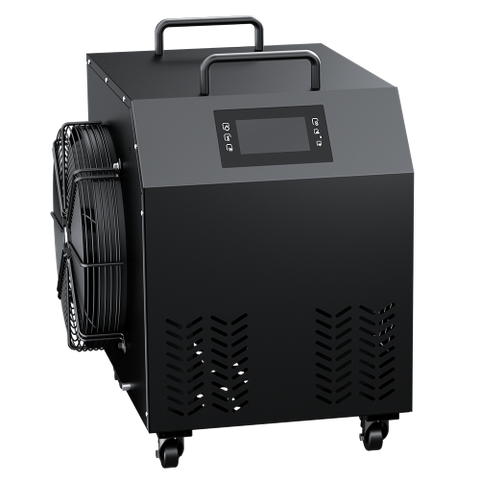
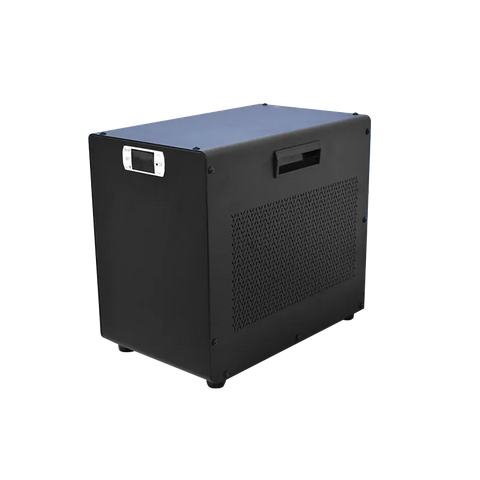
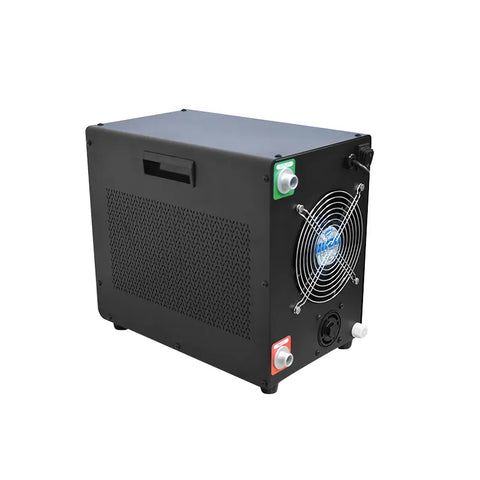
If you're serious about your health, an electric Ice Bath Chiller is the ultimate upgrade. These units allow you to set a precise temperature, whether that's a brisk 10 degrees for beginners or a bone-chilling 3 degrees for the pros. The chiller runs 24/7, meaning your plunge is always ready the second you finish your workout. There's no waiting for ice to melt or checking thermometers. Most modern chillers also feature built-in ozone or particle filtration systems. This keeps your water crystal clear and hygienic for weeks at a time, reducing the need for constant water changes. It's a "set and forget" system that removes every excuse standing between you and your recovery. Check out the full range of high-performance Ice Baths & Chillers to find the perfect fit for your backyard.
Taking the Plunge Safely: Your First Session
Safety is the foundation of any high-performance routine. While the benefits of cold plunge therapy are immense, jumping into a sub-five-degree tub without a plan is a recipe for a bad experience. You need to respect the water. For your first session, aim for a manageable 15 degrees Celsius. Stay in for exactly one minute. This allows your nervous system to register the cold without sending you into a panic. As you become more resilient, you can gradually lower the temperature and increase your duration by 30-second increments.
Before you start, check in with your GP. This is vital if you have any history of heart, blood pressure, or breathing conditions. Cold shock puts immediate stress on the cardiovascular system, so professional medical advice is non-negotiable for anyone with underlying health concerns. It is also a smart move to never plunge alone, particularly if you are using natural bodies of water like the ocean or a dam. Having a mate nearby ensures you stay safe while you push your physical limits.
To manage the initial "gasp" reflex, use the Box Breathing technique. Inhale for four seconds, hold for four, exhale for four, and hold for four. This simple rhythm overrides the panic response. It allows you to settle into the water with composure rather than fighting the sensation. Mastering your breath is the secret to turning a stressful event into a meditative one.
The 3-Minute Protocol
Consistency beats intensity every time. The most effective way to reap the benefits of cold plunge is a controlled three-minute session. Once you enter your Portable ice bath, focus entirely on your breath for the first 30 seconds. Once the initial shock passes, you will enter the "calm" phase where your body begins to adapt. Staying in longer than 10 minutes often provides diminishing returns and can increase the risk of hypothermia. Timing is also key. Plunge in the morning to capitalise on that massive dopamine spike. Avoid deep freezes right before bed, as the spike in core temperature during the rewarming process can actually keep you awake.
Post-Plunge: How to Warm Up Properly
What you do after you leave your Ice Bath Tub is just as important as the time spent inside. You might experience the "Afterdrop," where your core temperature continues to fall even after you have exited. Resist the urge to jump straight into a scorching hot shower. This can cause blood to rush too quickly to the skin, potentially leading to dizziness or fainting. Instead, pat yourself dry and let your body warm up naturally. Engage in light movement, like a slow walk or some air squats, and enjoy a warm drink to stabilise your temperature from the inside out.
Ready to Own Your Performance?
Cold water immersion is no longer a secret reserved for the pro leagues; it's a vital tool for every Aussie who takes their sport and wellness seriously. You've seen how a three-minute dip can skyrocket your focus and flush away the soreness that follows a hard weekend on the field or in the surf. The benefits of cold plunge therapy extend far beyond the water, building the mental grit you need to handle high-pressure workdays and scorching summer heatwaves with ease.
Stop wasting time on trips to the servo for ice bags that melt before you even get home. Our gear is built specifically for the demanding Australian climate, featuring portable and durable designs that athletes across the country trust for their daily reset. It's time to turn your backyard or balcony into a professional-grade recovery centre that's always ready when you are. Consistency is the only thing standing between you and a faster, stronger recovery.
Upgrade your recovery with a Crocpad Ice Bath and Chiller today. Take the leap and feel the immediate difference in your energy, mood, and sleep tonight. You have done the hard work; now give your body the rejuvenation it deserves.
Frequently Asked Questions
How long should I stay in a cold plunge for the best results?
Aim for two to five minutes per session to achieve the maximum physiological response. Science suggests that hitting a total of 11 minutes of cold exposure per week is the threshold for significant metabolic and recovery improvements. You don't need to stay in until you're numb; once you've controlled your breathing and stayed calm for a few minutes, you've done the work.
What is the ideal temperature for a beginner ice bath?
Start with a water temperature between 12 and 15 degrees Celsius. This range is cold enough to trigger the beneficial stress response without being overwhelming for your first few tries. As your body adapts and your mental grit increases, you can gradually use your chiller to drop the temperature toward the five-degree mark for a more intense challenge.
Can I cold plunge every day or should I take breaks?
Daily plunging is perfectly safe and highly effective for building long-term resilience. Most high-performance athletes use a daily three-minute ritual to maintain consistent dopamine levels and keep inflammation down. If you feel exceptionally fatigued or are coming down with a cold, it's fine to take a day off and let your body rest; listen to your internal signals.
Is it better to cold plunge before or after a workout?
Use the cold before a workout for an energy boost or after for recovery. If your primary goal is building maximum muscle size, wait about four hours after lifting weights to plunge so you don't blunt the natural growth response. For footy players, runners, and surfers, jumping in immediately after a session is the best way to tackle muscle soreness and fatigue.
Does cold plunging actually help with anxiety and depression?
Yes, it is an incredible tool for supporting mental health and emotional regulation. The benefits of cold plunge therapy include a sustained release of endorphins and a toning of the nervous system that helps you stay calm under pressure. By deliberately facing the "stress" of the cold, you train your brain to handle daily anxieties with much greater composure and clarity.
What should I wear during an ice bath session?
Standard swimwear like boardies, a bikini, or a cossie is all you need. You want as much skin as possible in direct contact with the water to trigger the full thermogenic response. If you find your toes or fingers become too painful during a deep freeze, you can wear neoprene booties or gloves, but most people find they adapt quickly without them.
How do I keep my ice bath water clean without chemicals?
Invest in a high-quality chiller with an integrated ozone and particle filtration system. This technology keeps the water moving and sanitised, meaning you only need to change the water every few weeks rather than after every dip. To keep it even cleaner, always have a quick rinse in the shower before you jump in to remove body oils and sunscreen.
Is a cold plunge safe for people with heart conditions?
You must consult your GP before trying cold water immersion if you have any heart or blood pressure concerns. The sudden cold causes an immediate spike in heart rate and vascular constriction, which can be taxing on the cardiovascular system. While it's a fantastic health hack for most, professional medical clearance is essential to ensure the practice is safe for your specific health profile.