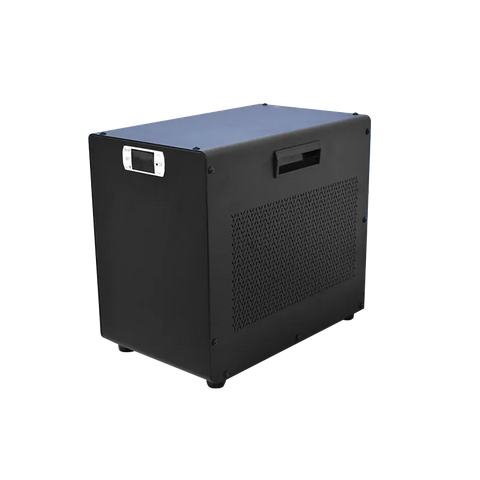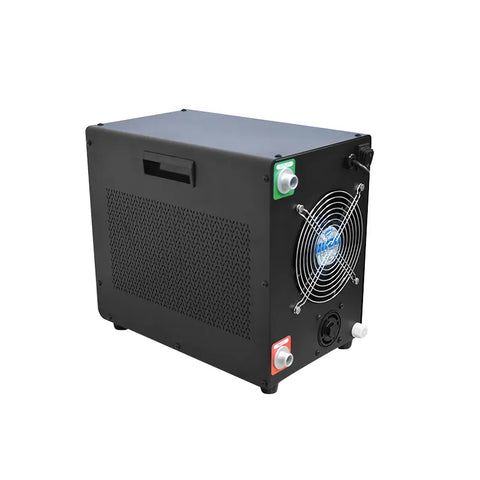

What if the quickest way to smash your next training session is to stop moving and start freezing? It's a question more Aussies are asking as they see over 70 per cent of professional sports teams globally using cold water immersion to stay on the field. You've probably wondered why do athletes take ice baths when the experience looks so incredibly intense. It isn't just about showing off your mental toughness; it's a calculated, scientific approach to resetting your body after a brutal workout.
We know the frustration of waking up with heavy legs and muscle soreness that makes even walking to the kitchen a challenge. You want to back up your sessions without feeling like you're moving through wet cement. You've likely heard conflicting stories about whether the cold kills your muscle growth or if the hassle of buying endless bags of ice is even worth the effort.
This article settles the debate by revealing the physiological and mental reasons elite performers rely on the chill to stay at the top of their game. You'll discover how to achieve faster recovery times, reduced inflammation, and better sleep through proven protocols. We're diving into the science of the inflammatory sweet spot and how you can replicate pro-level results in your own backyard.
Key Takeaways
- Master the science of Cold Water Immersion to flush metabolic waste and boost your circulation after a heavy session.
- Discover why do athletes take ice baths to effectively manage DOMS and maintain peak performance even in the heat of the Australian sun.
- Unlock a massive hormonal reset that increases focus and trains your brain to stay calm under intense physical pressure.
- Learn the exact temperature and timing protocols needed to ensure your recovery is safe, effective, and professional.
- See how modern chillers eliminate the hassle of hauling ice, providing a consistent temperature "sweet spot" for your daily rejuvenation.
What is Cold Water Immersion (CWI)? Understanding the Physiological Response
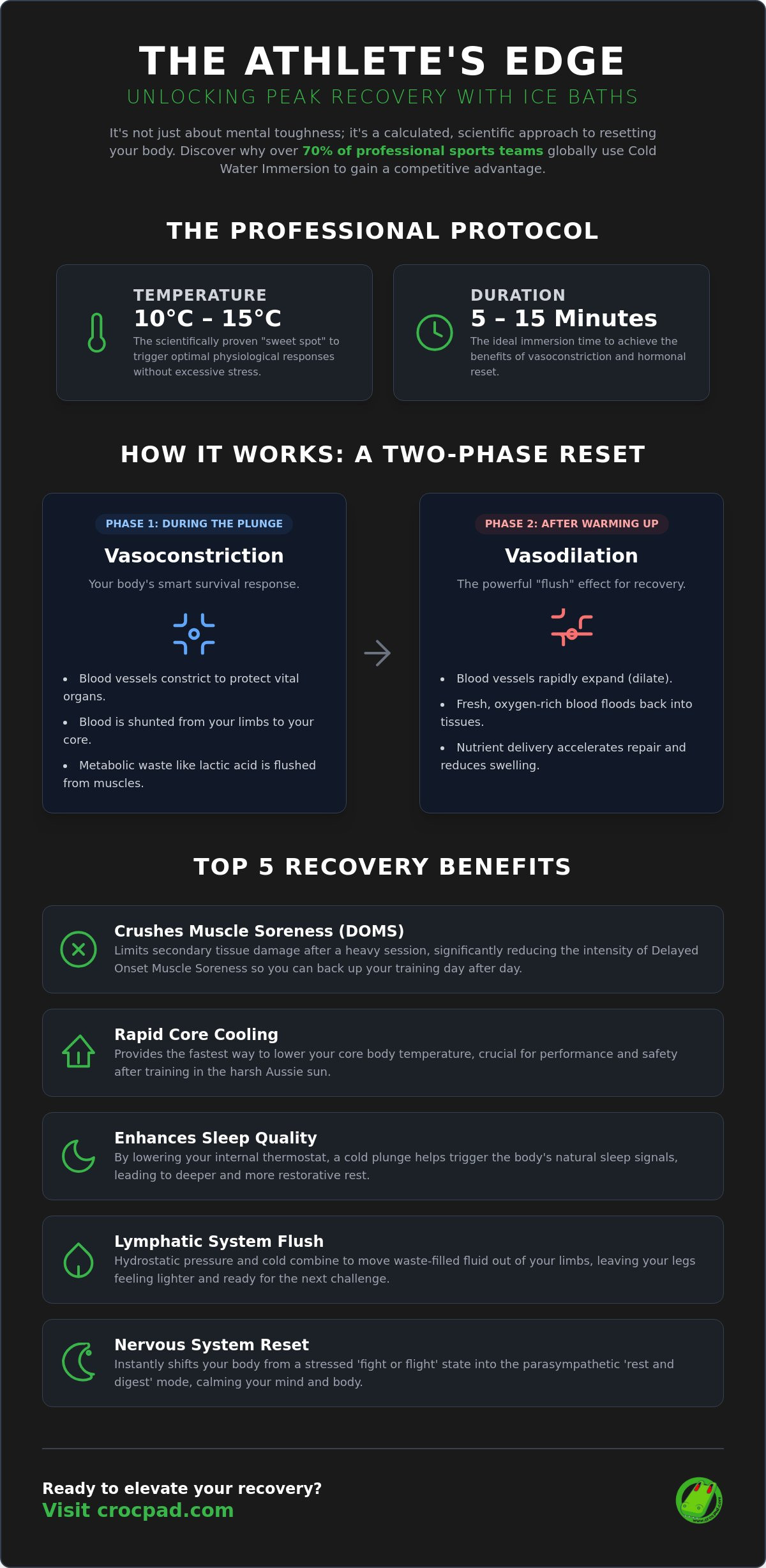
Cold Water Immersion (CWI) is much more than a quick dip in a chilly pool. To unlock elite recovery benefits, you need to submerge your body for between 5 and 15 minutes in water chilled to a crisp 10°C to 15°C. This specific temperature range triggers a cascade of biological events that prime your system for its next challenge. While the initial "cold shock" might take your breath away, it's actually the starting gun for your circulatory system to go into overdrive. It forces your heart to work more efficiently and immediately shifts your internal chemistry.
When people ask What is Cold Water Immersion and why do athletes take ice baths, the answer lies in a survival mechanism called vasoconstriction. As soon as you hit the water, your blood vessels tighten up. Your body prioritises your core, shunting blood away from your limbs to protect your vital organs. This isn't just a defensive move; it's a strategic internal reset. By moving blood toward the centre of the body, you are essentially cleaning out the periphery and preparing for a massive nutrient delivery once you hop out.
The depth of the water is just as important as the temperature. Hydrostatic pressure occurs when you're submerged deep enough, creating a natural compression effect on your tissues. This pressure assists the heart in moving blood back through the system and helps to move interstitial fluid out of fatigued muscles. It's like wearing a full-body compression suit that works from the outside in to reduce swelling and heaviness after a brutal day on the field or in the gym.
The Role of Vasoconstriction and Vasodilation
Think of your circulatory system like the plumbing in a high-performance home. During the bath, vasoconstriction "squeezes the pipes" and pushes out metabolic waste products like lactic acid. Once you step out and begin to warm up, your vessels undergo vasodilation. This is the "flush" effect. Fresh, oxygenated blood rushes back into your muscle tissues, delivering the essential nutrients needed to repair damage and restore energy. It's a natural pump that clears the slate for your next session.
Managing Inflammation: The Good vs. The Bad
You might think all inflammation is the enemy, but that's not quite right. Acute inflammation is a necessary signal for muscle growth and hypertrophy. If you're in a heavy "bulking" phase or off-season training, you might choose to skip the plunge to let those growth signals do their work. However, for in-season athletes who need to back up day after day, managing systemic inflammation is vital. Ice baths help you find that "sweet spot" by reducing the excessive swelling that leads to DOMS without completely shutting down your body's natural adaptation process. It's about staying mobile and ready to perform when it counts most.
Top 5 Benefits of Ice Baths for Modern Athletes
Stepping into a tub of near-freezing water isn't just a test of grit. It's a high-performance strategy designed to keep you at your peak. When you look at the training schedules of elite competitors, you'll see recovery is treated with the same intensity as the workout itself. Understanding why do athletes take ice baths starts with looking at the immediate physical and mental advantages that keep them ahead of the pack. Here are the five primary reasons pros make the plunge part of their daily routine.
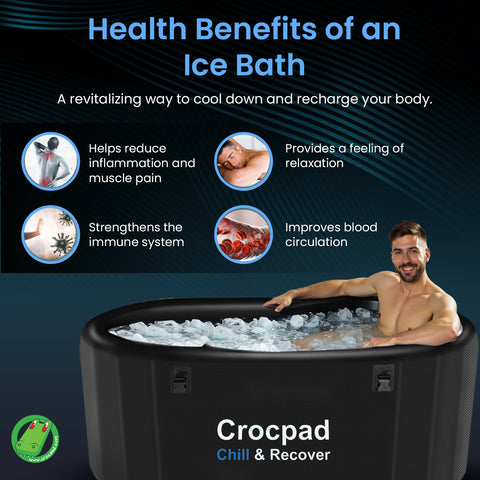
- Crushing DOMS: Cold immersion limits secondary tissue damage after a heavy session, significantly reducing the intensity of Delayed Onset Muscle Soreness.
- Rapid Cooling: It provides the fastest way to drop your core temperature, which is essential for safety and performance after training in the harsh Aussie sun.
- Elite Sleep Quality: By lowering your internal thermostat, a cold plunge helps trigger the body's natural sleep signals for deeper, more restorative rest.
- Lymphatic Flush: The water pressure and cold combine to move waste-filled fluid out of your limbs, leaving your legs feeling light and ready to go again.
- Nervous System Reset: It shifts your body from a stressed "fight or flight" state into the parasympathetic "rest and digest" mode almost instantly.
A 2025 meta-analysis from the University of South Australia confirmed that this practice does more than just numb the pain. It actually improves overall quality of life by enhancing sleep and reducing systemic stress. To get these results consistently, many locals are moving away from the local petrol station ice run and setting up dedicated Ice Baths & Chillers at home to ensure the water is always at the perfect recovery temperature.
Beating DOMS and Muscle Fatigue
Every time you smash a personal best or hit a high-intensity interval session, you create tiny micro-tears in your muscle fibres. While this is how you get stronger, it also leads to that "can't walk down the stairs" feeling the next morning. The cold water limits the inflammatory response that causes secondary damage to these cells. Beyond the biology, there is a massive "perceived recovery" factor. Athletes who use ice baths report feeling significantly fresher and more "game-ready" than those who simply rest. This psychological boost is what allows you to back up for a second session or dominate a weekend tournament without your legs giving out.
Thermoregulation in the Australian Climate
Training in Australia often means battling extreme heat. When your core temperature stays elevated for too long after exercise, your heart and nervous system remain under stress. A quick cold shower simply doesn't have the thermal mass to pull enough heat out of your body. Cold Water Immersion is the gold standard for rapid cooling. It acts as a massive heat sink, safely and efficiently bringing your internal temperature back to baseline. This isn't just about comfort; it's a vital safety measure to prevent heat exhaustion and ensure your system can begin the repair process immediately.
The Mental Edge: Why the 'Cold Plunge' is a Psychological Reset
While the physical benefits of flushing your legs are undeniable, the real secret to why do athletes take ice baths often lies between the ears. Stepping into 10°C water isn't just a cooling exercise; it's a profound chemical reset for your brain. Research shows that cold exposure can trigger a massive release of norepinephrine, with levels spiking by as much as 200 to 300 per cent. This isn't just a temporary rush. It is a sustained chemical shift that sharpens your focus and provides a level of mental clarity that's hard to find anywhere else.
This process builds what neuroscientists call "top-down control". When you first hit the water, your body screams at you to get out. It's a primal "fight or flight" response. By choosing to stay, you are training your prefrontal cortex to override your limbic system. You're teaching your brain to stay calm and analytical while under extreme physical stress. This is exactly the kind of mental grit you need when you're in the final ten minutes of a match or pushing through a brutal final set at the gym.
Dopamine and Mood Regulation
The cold triggers a rise in dopamine that is uniquely sustained. Unlike the sharp spike and subsequent crash you get from a double espresso, the dopamine increase from cold exposure can last for several hours. This creates a stable "post-plunge glow" that improves your mood and helps manage daily anxiety. The cold-induced catecholamine response is a key driver of mental resilience that carries over into every part of your life. It's a natural way to organise your thoughts and approach your day with an adventurous, high-energy mindset.
Building Resilience in the Backyard
Developing this level of discipline is much easier when you have a dedicated space to practice. Having a setup at home turns a difficult task into a rewarding daily ritual. It bridges the gap between the discipline you show on the field and the habits you maintain in your private life. When you consistently conquer the cold in your own backyard, you're building a reservoir of confidence. You start to see every challenge as something you can handle with a cool head and a steady pulse. This psychological foundation is a massive part of why do athletes take ice baths as part of their long-term performance strategy.
The Recovery Protocol: How to Take an Ice Bath Properly
Knowing the theory is one thing, but executing a professional-grade plunge requires a disciplined approach. If you've ever wondered why do athletes take ice baths with such precision, it's because the protocol determines the result. You can't just jump into a tub of ice and hope for the best. To get the most out of your recovery, you need to organise your space, monitor your vitals, and respect the clock. Start by ensuring your tub is ready and your towel and warm clothes are within arm's reach before you even touch the water.
Your target temperature should sit between 10°C and 15°C. This range provides the ideal balance of safety and physiological stress to trigger the benefits we've discussed. When you enter, do it slowly. Your body will naturally want to gasp and take short, shallow breaths. Fight this reflex by focusing on deep, rhythmic exhales. Submerge yourself up to the neck to ensure the hydrostatic pressure can work on your entire system. For the best long-term results, aim for the Søberg Protocol: a total of 11 minutes of cold exposure per week, split across two to four sessions.
When your time is up, exit the water carefully. Your muscles might feel slightly heavy or numb, so take your time. Pat yourself dry and allow your body to warm up naturally rather than jumping straight into a hot environment. This is known as the "Sobering" effect, which forces your metabolism to kick into gear to generate internal heat. To make this ritual as seamless as possible, browse the professional range of Ice Baths & Chillers today.
Timing Your Plunge for Maximum Results
The "window of opportunity" for cold immersion depends entirely on your training goals. If you've just finished an endurance session or a high-intensity field game, aim to get into the water within 30 minutes to two hours. This helps squash inflammation immediately. However, if your primary goal is pure muscle hypertrophy or bodybuilding, wait at least four to six hours. You want the natural inflammatory signals of strength training to stay active for a while to promote growth before you flush the system.
Common Mistakes to Avoid
The most common error is thinking that colder is always better. Dropping below 10°C for extended periods increases the risk of hypothermia without providing extra recovery benefits. It's a case of diminishing returns. Also, never hold your breath while submerged. Hyperventilation is a dangerous response to cold shock; instead, use slow, controlled exhales to keep your heart rate steady. Finally, avoid the temptation of a hot shower immediately after your plunge. You want your body to do the hard work of rewarming itself to maximise the metabolic and circulatory boost.
Modern Recovery: Why Portable Ice Baths and Chillers are the New Standard
The days of dragging 20kg bags of ice from the local servo are officially over. While the science clearly explains why do athletes take ice baths, the practical reality of maintaining a recovery routine used to be a massive chore. In the past, you were at the mercy of melting ice and fluctuating temperatures. Today, the "new way" of recovery centres around automated chillers and high-performance portable tubs that turn any backyard into an elite training facility. This shift is part of a massive global trend; the cold plunge tub market is projected to reach up to $732 million by the early 2030s as more people take their wellness seriously.
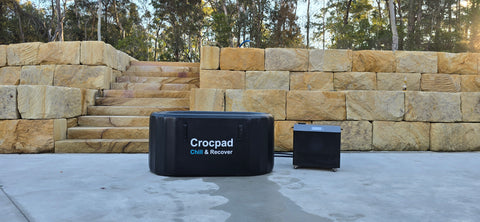
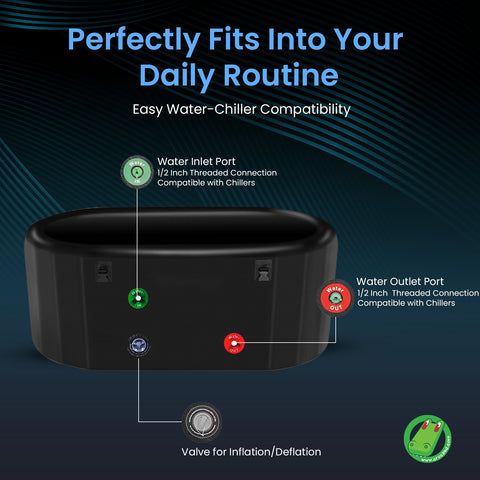
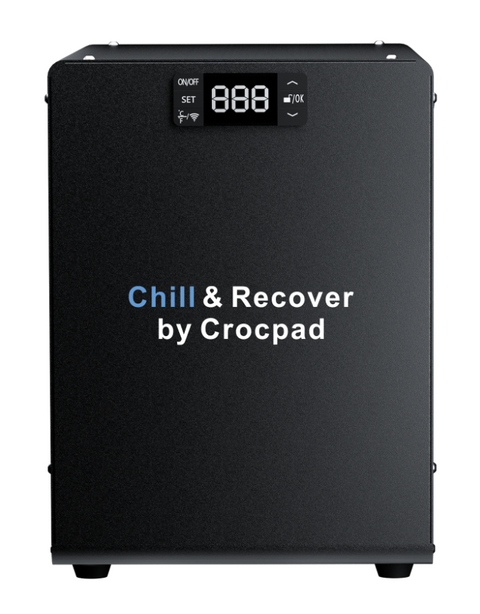
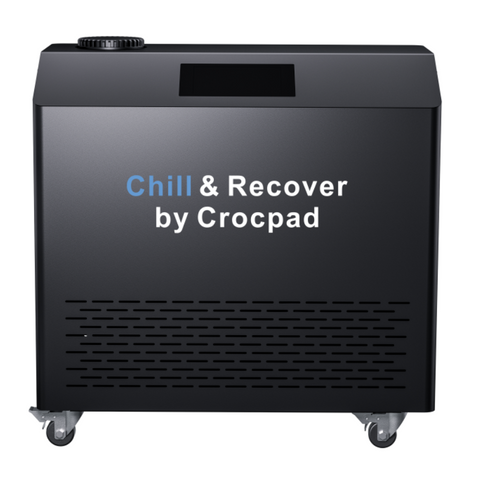
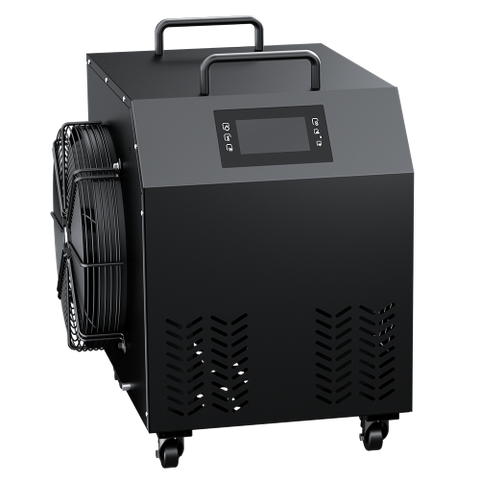
One of the biggest advantages of modern gear is consistency. When you rely on bags of ice, the water temperature begins to rise the moment you step in. A dedicated chiller unit, however, maintains your chosen "sweet spot" indefinitely. Whether you want exactly 12°C or a crisp 10°C, the technology ensures your body receives the same therapeutic stimulus every single time. Hygiene also takes a massive leap forward. Professional setups include integrated filtration and circulation systems, which are becoming the industry standard to ensure the water stays clean and safe for daily use.
The Convenience of the Ice Bath Chiller
Investing in a water chiller for ice bath use is a total game-changer for your training rhythm. It completely eliminates the "ice run" and the ongoing cost of bulk ice bags. In fact, for frequent users, the upfront cost of a chiller is often offset within 8 to 12 months simply by what you save on ice. These units are surprisingly energy-efficient and allow you to set a precise temperature with the touch of a button. You no longer have to guess if the water is cold enough to trigger that norepinephrine release; you know it is.
Crocpad Recovery: Professional Gear for Your Home
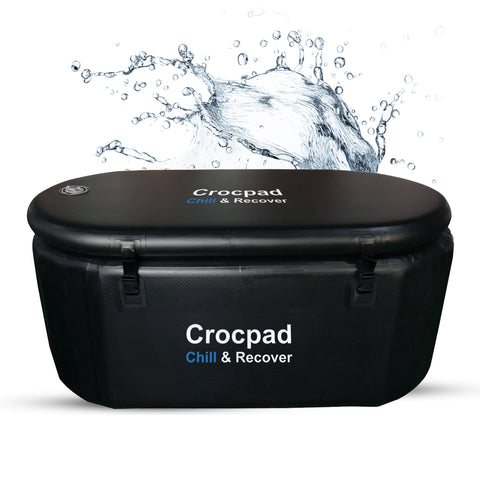
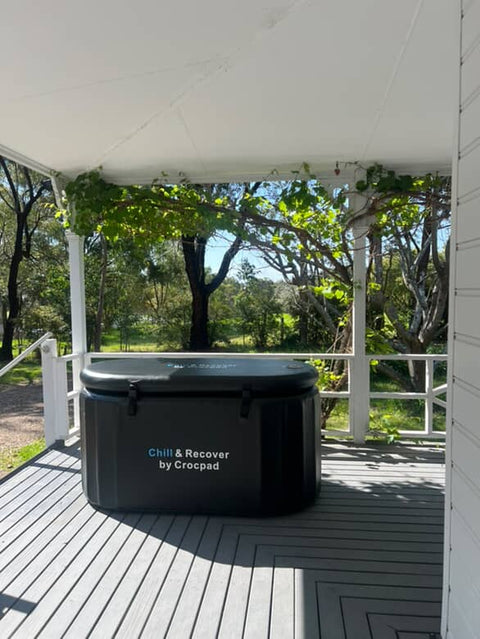
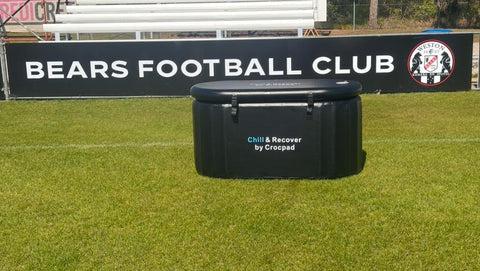
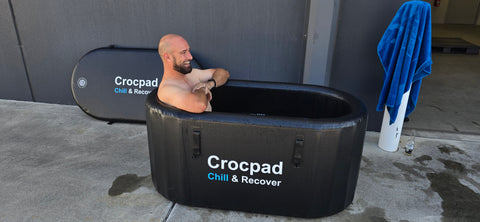
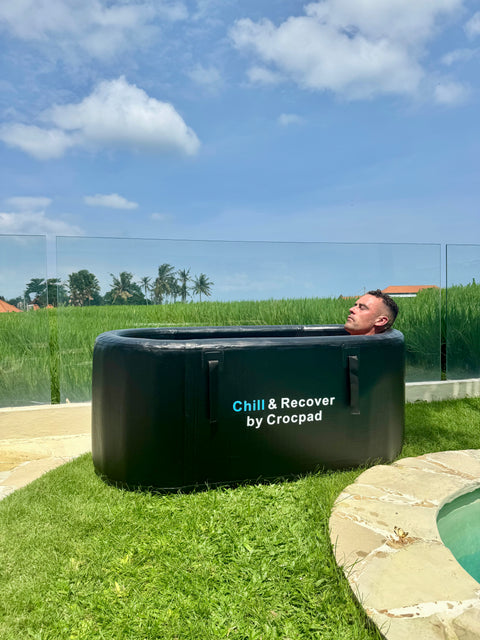
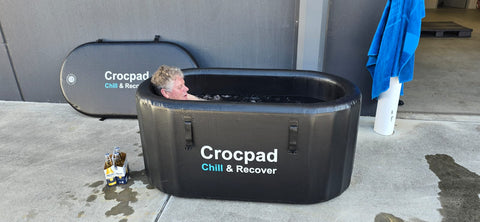
We've designed our recovery equipment to withstand the demanding conditions of an active Aussie lifestyle. Whether you're setting up in the garage, on the back deck, or even on a boat, our tubs are built for durability and environmental resilience. They are portable enough to move when you need to, yet sturdy enough to provide a reliable sanctuary for your daily reset. We believe that professional-grade recovery shouldn't be restricted to elite clubhouses. It should be accessible to anyone who takes their performance and rejuvenation seriously.
Ready to elevate your recovery game? Explore Crocpad's range of Ice Baths and Chillers today and start experiencing the benefits of a consistent, professional-grade cold plunge in your own home.
Take Control of Your Performance and Recovery
You now understand the biological and psychological reasons why do athletes take ice baths to stay at the top of their game. It is about more than just numbing the pain; it is a strategic tool for flushing metabolic waste and building genuine mental grit. By following a consistent 11-minute weekly protocol, you can unlock better sleep and faster recovery times between your sessions. Consistency is the key to turning these scientific benefits into real-world results.
Stop letting muscle soreness dictate your training schedule. You can bring elite-level technology into your own backyard with gear that is built to last. Our systems use heavy-duty, marine-grade materials and a portable design that is perfect for home use or travel. With integrated chillers, you get precision temperature control without the ongoing hassle of buying bags of ice. You deserve a recovery setup that works as hard as you do.
Upgrade your recovery with a Crocpad Ice Bath and Chiller today. It is time to stop guessing and start performing at your absolute peak. We will see you in the water!
Common Questions About Elite Recovery
How long should I stay in an ice bath for recovery?
Aim for 10 to 15 minutes per session if you are looking for specific athletic recovery benefits. For general wellness, two to five minutes is often enough to trigger a positive hormonal response. Many people ask why do athletes take ice baths for these exact durations; it's because this window is the "sweet spot" for flushing metabolic waste without overstressing your nervous system. Try to hit a total of 11 minutes per week.
Is it better to take an ice bath immediately after exercise?
Jumping into the cold within 30 minutes to two hours is ideal for endurance athletes or field players. This timing helps squash inflammation before it becomes excessive and leaves your legs feeling heavy. If you are training for pure muscle bulk, wait at least four to six hours. This delay allows your body's natural growth signals to finish their work before the cold immersion resets your system.
Can ice baths help with weight loss?
Ice baths support weight loss by activating brown adipose tissue and increasing your metabolic rate. When your body works to rewarm itself after the plunge, it burns calories to generate internal heat. While it isn't a substitute for a good diet, it's a powerful metabolic booster that complements an active lifestyle. This "Sobering" effect turns your recovery session into a passive workout for your internal thermostat.
What is the best temperature for an ice bath?
The most effective temperature for recovery is between 10°C and 15°C. This range is cold enough to trigger vasoconstriction and the release of norepinephrine without being dangerously freezing. When people ask why do athletes take ice baths at these specific temps, it's because it provides the best balance of safety and physiological adaptation. Anything colder for too long can actually lead to diminishing returns and increased risk.
Should I take an ice bath every day?
You don't necessarily need to plunge every day to see professional results. The current evidence suggests that two to four sessions per week is the ideal frequency for most active individuals. This schedule allows your body to adapt to the cold stress without causing chronic fatigue. Focus on consistency over daily intensity to maintain your mental edge and keep your body ready for the next adventure.
Are ice baths safe for everyone?
Most healthy individuals can safely use ice baths, but you should always consult a doctor first if you have heart conditions or high blood pressure. Conditions like Raynaud's disease are also a clear contraindication. For safety, never plunge alone and always listen to your body's signals. Start with shorter durations and slightly warmer water as you build your cold tolerance over several weeks.
Do I really need a chiller, or is ice enough?
While ice bags work, a dedicated chiller is the professional choice for consistency and hygiene. Buying bags from the servo is a hassle and the costs add up quickly over a few months. A chiller maintains a precise temperature and includes integrated filtration. This ensures your water stays clean and ready for your next session without the constant "ice run" or temperature fluctuations.
What should I wear in an ice bath?
Standard swimwear is all you need for a successful session. Some athletes choose to wear neoprene socks or gloves if their hands and feet are particularly sensitive to the cold. Keeping your extremities covered can help you stay in the water longer and reach your target duration. Focus on submerged, rhythmic breathing rather than what you're wearing to get the best mental and physical results.