
Famous Athletes Who Use Ice Baths
Ice Bath Usage Among
Australian Athletes
Recovery science has gone mainstream — and the world's greatest athletes are leading the charge into cold water.
If you've ever wondered whether ice baths actually work, consider this: the most accomplished, highest-paid, most scrutinised athletes on the planet choose to plunge into near-freezing water after every gruelling session. They don't have to. They have access to every recovery technology money can buy. And yet, they keep coming back to the cold.
From LeBron James to Cristiano Ronaldo, from Usain Bolt to your local NRL club's recovery bay — ice baths have become the defining recovery ritual of elite sport. And Australians are catching up fast.
Why Elite Athletes Swear by Ice Baths
When you train hard — whether it's 80 minutes on a rugby league field or a 40km run — your muscles sustain microscopic damage. Inflammation follows. Without intervention, that soreness peaks 24–72 hours later (the dreaded DOMS — delayed onset muscle soreness), and performance suffers.
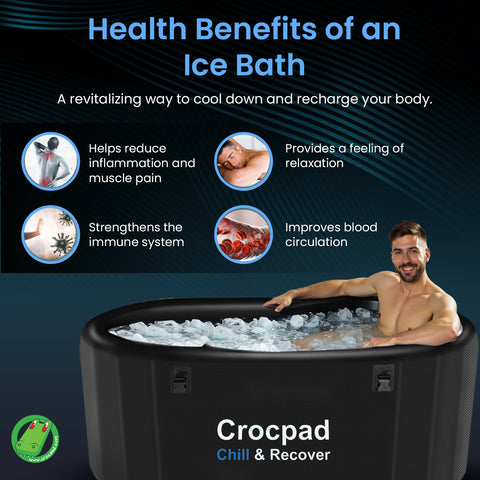
Cold water immersion works by triggering vasoconstriction — your blood vessels narrow in response to cold, reducing blood flow, swelling, and inflammation. When you step out and your body rewarms, blood rushes back to the muscles, flushing metabolic waste and accelerating tissue repair.
The Result
Less soreness. Faster recovery. A body that's ready to perform again sooner. But the physical recovery is only half the story — every athlete who commits to regular cold therapy reports the same unexpected benefit:
- Stronger mental toughness and resilience under pressure
- Improved focus and mood through endorphin release
- Greater willpower developed through consistent cold exposure
The Global Icons Who Made Ice Baths Famous
LeBron James is perhaps the most visible advocate for cold therapy in professional sport. The four-time NBA champion — still performing at elite levels well into his late 30s — uses ice baths as a non-negotiable cornerstone of his recovery protocol. His remarkable longevity in one of the world's most physically demanding sports is widely attributed to his obsessive approach to body maintenance, with cold therapy central to that routine. When the greatest basketball player of his generation makes ice baths a priority, the world takes notice.
Cristiano Ronaldo didn't just adopt cold therapy — he invested $50,000 in a personal cryotherapy chamber. The Portuguese superstar has been vocal about the role cold exposure plays in keeping his body performing at elite levels, and his career longevity — still competing at the top level in his late 30s — speaks for itself. Ronaldo's commitment to cold therapy is part of a broader recovery obsession that includes precise nutrition, sleep tracking, and daily mobility work. The ice bath isn't a luxury for Ronaldo — it's infrastructure.
The fastest man in recorded history understood that the margins at elite level are razor thin. Usain Bolt incorporated ice baths into his recovery routine to reduce muscle soreness and maintain the explosive fast-twitch muscle function that made him untouchable on the track. When your entire career depends on 8 seconds of perfection, recovery isn't optional — it's the competitive edge.
With 23 Olympic gold medals, Michael Phelps is the most decorated Olympian in history. Swimming demands relentless repetitive exertion across the shoulders, back, and legs. Cold water immersion was a staple of Phelps' recovery between training sessions and competition heats — helping him compete multiple times across the same meet without significant performance degradation. His protocol is considered a gold standard in elite swimming recovery worldwide.
The Golden State Warriors installed dedicated cold plunge facilities at their training centre after Steph Curry became a committed advocate — also setting up a plunge at his own home. Teammate Klay Thompson used cold therapy extensively during his ACL rehabilitation, while Draymond Green credits it as a core recovery tool. The Warriors' performance staff now integrate cold therapy into their in-season rotation as standard protocol across the squad.
Tom Brady played elite NFL football until he was 45. His longevity is the stuff of legend — and cold therapy has been a well-documented part of the TB12 recovery method he developed over two decades. Brady used ice baths alongside pliability training and anti-inflammatory nutrition to maintain a body that defied the conventional career timeline for an NFL quarterback.
No list of cold therapy advocates is complete without Wim Hof. The Dutch extreme athlete has set dozens of world records for cold endurance — from sitting submerged in ice for hours to running marathons barefoot in snow. More than a record-setter, Hof has become the world's most influential teacher of cold exposure methodology, with millions of practitioners globally following his protocols. His core message: cold is not just physical recovery — it is a tool for rewiring the nervous system, building mental resilience, and improving overall health.
Stanford neuroscientist Andrew Huberman arguably did more to mainstream ice baths for everyday people than any athlete. His detailed, evidence-based breakdowns of cold water immersion — covering dopamine responses, adrenaline regulation, and cognitive performance — gave the general public a scientific framework for what athletes had practised intuitively for decades. If someone around you has started talking about "deliberate cold exposure," there's a strong chance Huberman was the source.
Standard post-match protocol across all 18 clubs. Melbourne FC's Casey Fields facility runs a dedicated team ice bath set at 8°C. Players including Lance "Buddy" Franklin are regularly photographed using cold therapy as routine recovery.
Every NRL club — from the Sydney Roosters to the Parramatta Eels to the Melbourne Storm — incorporates ice baths into weekly recovery rotation. Post-game cold therapy is standard for all 16 clubs nationwide.
The Australian Test squad's sports science staff have long integrated cold water immersion into tour recovery protocols — especially during back-to-back Test match schedules with just two days between sessions.
The Australian Institute of Sport has used cold water immersion as a core recovery modality for decades. Australian Olympic swimmers and track athletes are among the most sophisticated cold therapy users in the world.
The Mental Game Nobody Talks About
Ask any athlete who uses ice baths regularly what the biggest benefit is, and the answer is surprisingly consistent: it's not the muscles. It's the mind.
Getting into cold water requires a conscious decision to override discomfort. Every time you make that choice — every time you get in when every instinct says stay warm — you're training the part of your brain responsible for willpower, resilience, and performing under pressure.
The Neuroscience
Research points to the anterior midcingulate cortex (AMCC) — the brain region associated with tenacity and resolve — as one that grows when you regularly do hard things you'd prefer to avoid. The ice bath isn't just recovering your body. It's conditioning your competitive edge. As Andrew Huberman explains: the AMCC only grows when you practice discomfort — it's the neurological foundation of elite mental toughness.
Getting Started with Cold Therapy in Australia
The gap between professional athlete recovery and what's available to everyday Australians has never been smaller. What NRL clubs spend hundreds of thousands building into their facilities is now accessible at home — with the right equipment.
-
1Target temperature: 10–15°C is the effective range. Colder isn't always better — sustained immersion matters more than extreme cold.
-
2Duration: 10–15 minutes is the sweet spot for recovery. Beginners can start at 2–3 minutes and build progressively over weeks.
-
3Timing: Post-training immersion within 30–60 minutes of exercise provides maximum benefit for inflammation reduction.
-
4Consistency: Like any training stimulus, cold therapy delivers its greatest benefits when practised regularly — not occasionally.
-
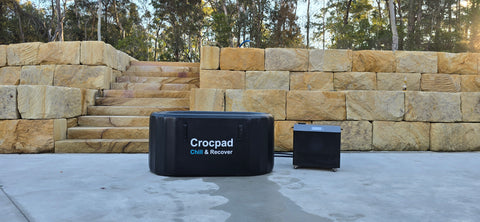
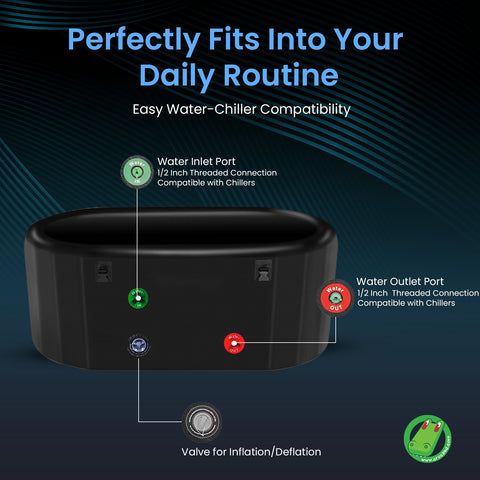
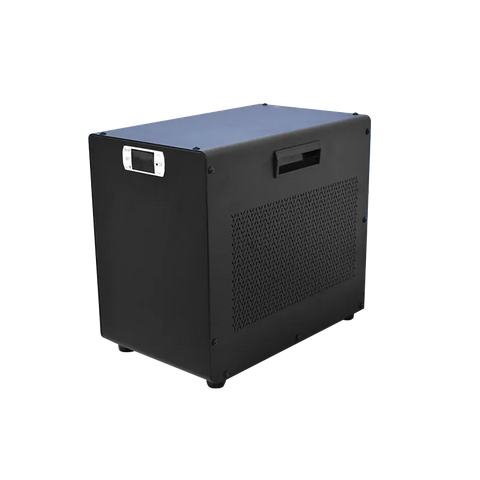
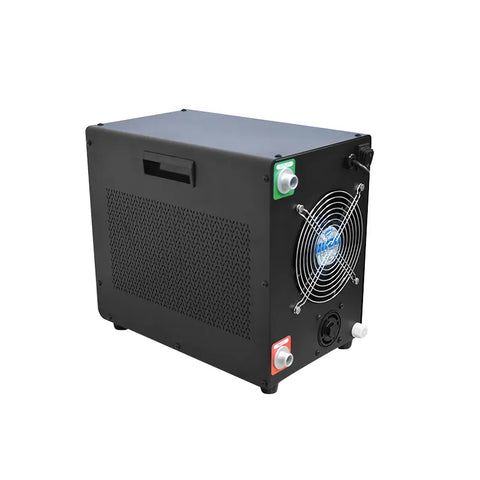
5Equipment: A quality portable ice bath with an integrated chiller maintains consistent temperature — the difference between a professional protocol and an improvised tub.
Ready to Get Cold?
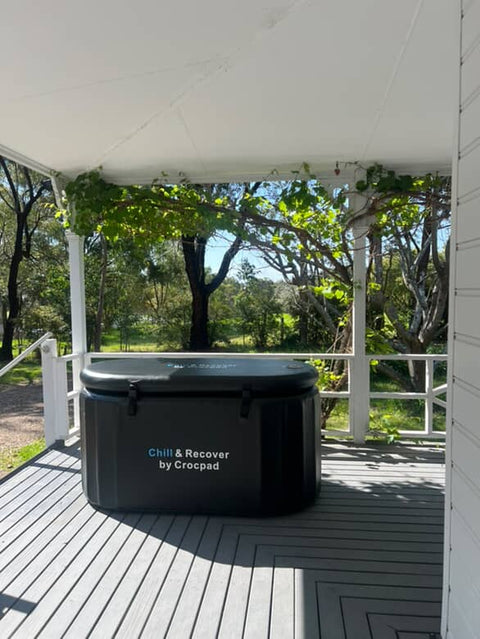
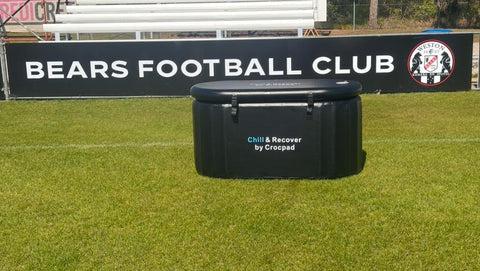
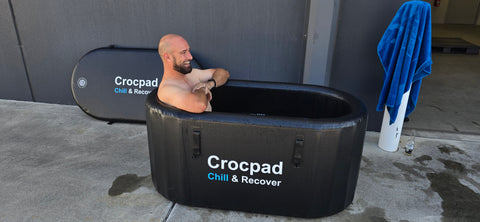
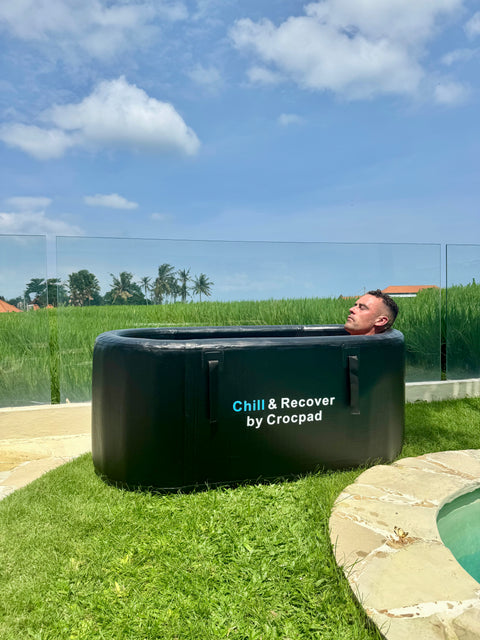
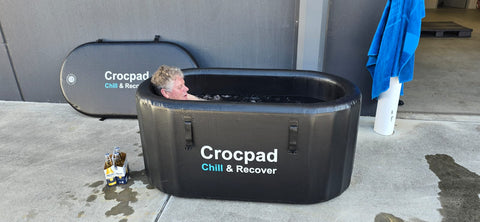
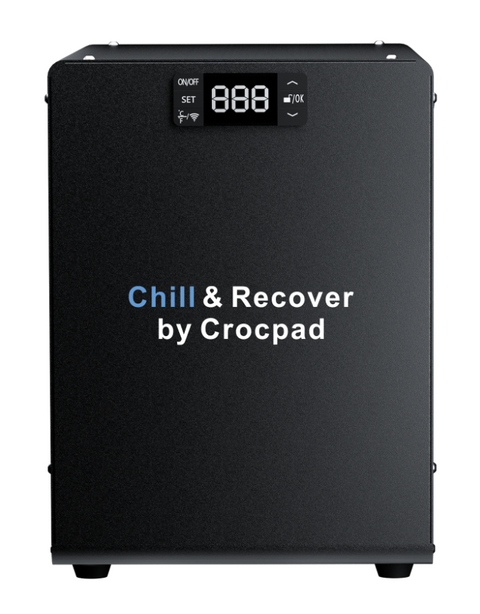
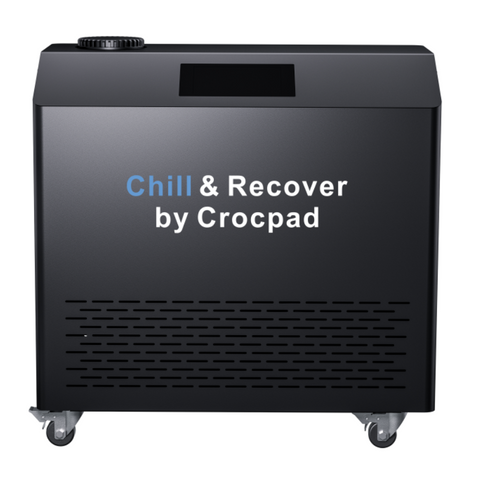
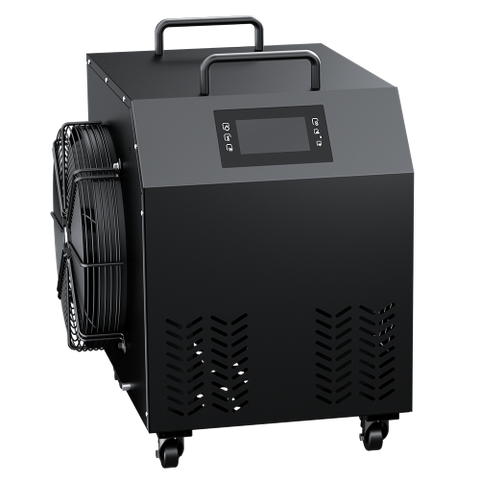
Crocpad is Australia's dedicated cold therapy brand, stocked in 65+ Clark Rubber stores nationwide. Our portable ice baths and Boreon PRO chiller range give you elite recovery at home.
Shop Ice Baths & Chillers →The Bottom Line
The world's greatest athletes — from LeBron James to Cristiano Ronaldo, from Usain Bolt to the entire NRL competition — didn't all independently arrive at the same conclusion by accident. Cold therapy works. It reduces inflammation, accelerates recovery, improves circulation, and builds a mental toughness that translates directly into competitive performance.
Australia has always had a deep culture of ice bath recovery in elite sport. Now, with quality equipment accessible to everyone, that advantage is no longer reserved for professional clubs.
The cold is waiting. The only question is whether you're ready to get in.