Cold Water Therapy for Athletes: The Ultimate Guide to Enhanced Performance and Recovery
In the world of elite athletics, marginal gains can make the difference between victory and defeat. One recovery method that's gained tremendous traction amongst Australian athletes—from AFL stars to Olympic swimmers—is cold water therapy. This comprehensive guide explores how strategic cold exposure can revolutionise your training routine, accelerate recovery, and unlock your athletic potential.
What is Cold Water Therapy?
Cold water therapy, also known as cold water immersion (CWI), involves exposing the body to water temperatures typically between 10-15°C for controlled periods. Unlike casual cold exposure, athletic cold water therapy follows specific protocols designed to maximise physiological adaptations whilst minimising potential risks.
For athletes, this practice has evolved from the traditional ice bath—once reserved for professional sports teams—to sophisticated home setups that allow consistent, controlled cold exposure as part of a comprehensive recovery strategy.
The Science Behind Cold Water Therapy for Athletic Performance
When athletes immerse themselves in cold water, several physiological processes occur simultaneously:
Vascular Response and Blood Flow
Cold exposure triggers immediate vasoconstriction—the narrowing of blood vessels—which forces blood away from extremities toward vital organs. Upon exiting the cold water, vasodilation occurs, creating a "flushing" effect that helps remove metabolic waste products from muscle tissues while delivering fresh, oxygenated blood.
Inflammatory Response Modulation
Intense training creates controlled muscle damage and inflammation. Cold water therapy helps modulate this inflammatory response, potentially reducing excessive inflammation whilst preserving the beneficial adaptations that drive performance improvements.
Nervous System Reset
Cold exposure activates the sympathetic nervous system initially, followed by a parasympathetic response that promotes recovery. This process can help athletes manage training stress and improve sleep quality—crucial factors for adaptation and performance.
Performance Benefits for Athletes
Enhanced Recovery Between Training Sessions
Australian research has shown that athletes using cold water therapy between training sessions often report feeling more prepared for subsequent workouts. The improved subjective recovery can enable higher training volumes and intensities over time.
Reduced Muscle Soreness
Delayed onset muscle soreness (DOMS) can significantly impact training consistency. Cold water therapy has been shown to reduce perceived muscle soreness, allowing athletes to maintain training frequency without excessive discomfort.
Improved Heat Tolerance
Particularly relevant for Australian athletes competing in hot conditions, regular cold exposure can improve the body's thermoregulatory capacity, potentially enhancing performance in challenging environmental conditions.
Mental Resilience and Focus
The psychological challenge of cold water immersion builds mental toughness that translates to competitive situations. Athletes who regularly practice cold therapy often report improved stress management and focus under pressure.
Sport-Specific Applications
Endurance Athletes
Runners, cyclists, and triathletes benefit from cold water therapy's ability to reduce exercise-induced hyperthermia and accelerate glycogen resynthesis. The practice is particularly valuable during high-volume training phases or multi-day competitions.
Team Sport Athletes
AFL, rugby, and football players use cold water therapy to manage the cumulative stress of contact training and competition. The anti-inflammatory effects can be particularly beneficial for managing minor impacts and collisions.
Strength and Power Athletes
While timing is crucial for strength athletes (to avoid interfering with training adaptations), strategic cold water therapy can aid recovery during competition phases or high-frequency training blocks.
Optimal Protocols for Athletic Cold Water Therapy
Temperature Guidelines
For athletic applications, water temperatures between 11-15°C are generally recommended. This range provides therapeutic benefits whilst remaining tolerable for regular use. Beginners should start at the warmer end of this spectrum.
Duration and Timing
Effective protocols typically involve 10-15 minutes of immersion, though athletes may start with shorter durations (3-5 minutes) and progressively increase. The timing relative to training is crucial—immediate post-exercise immersion (within 30 minutes) appears most beneficial for recovery outcomes.
Frequency Considerations
During heavy training phases, daily cold water therapy may be appropriate. However, during periods focused on adaptation (such as strength building phases), less frequent use (2-3 times per week) may be preferable to avoid blunting training responses.
Setting Up Your Athletic Cold Water Therapy System
Creating an effective cold water therapy setup requires careful consideration of your specific athletic needs, available space, and budget. Here's what serious athletes should consider:
Professional-Grade Ice Bath Solutions
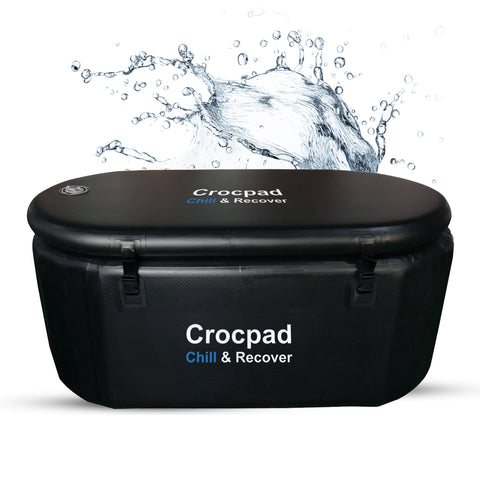
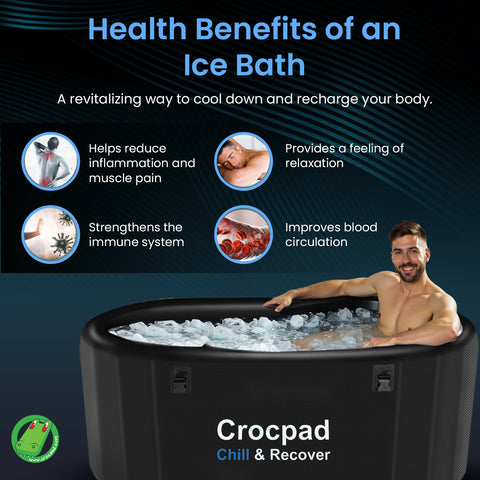
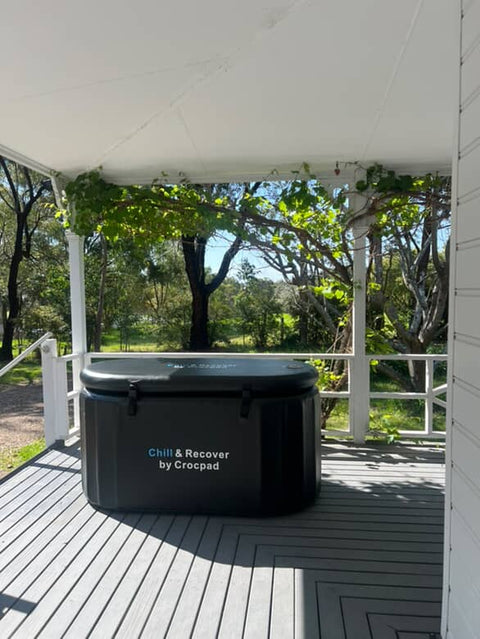
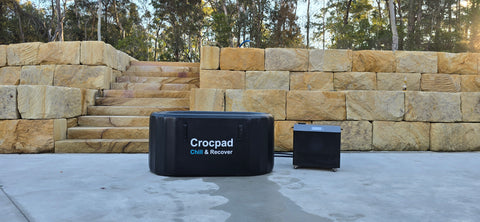
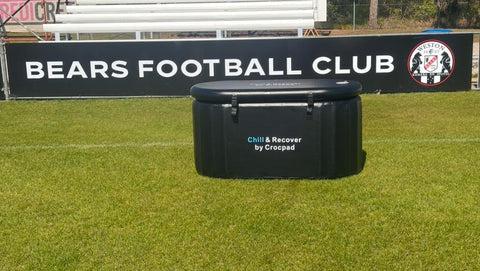
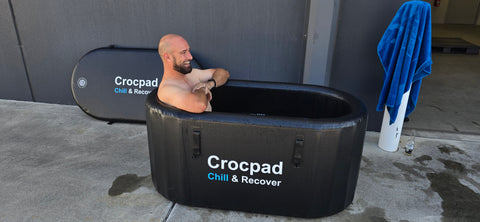
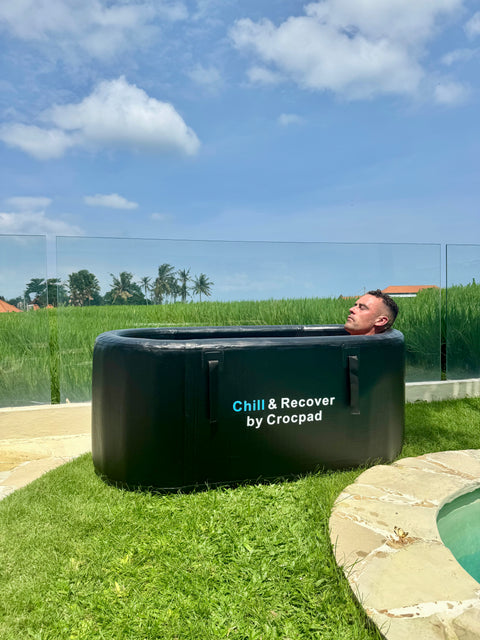
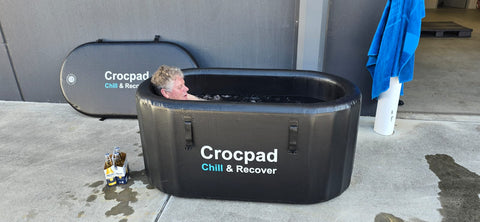
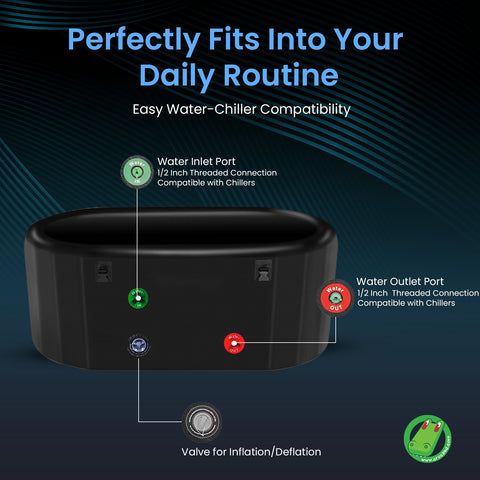
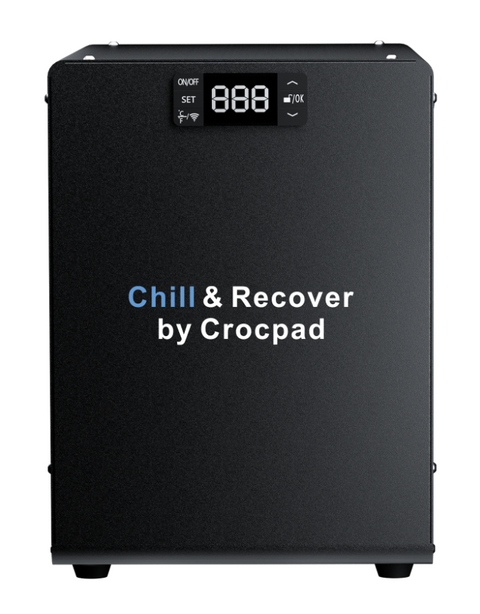
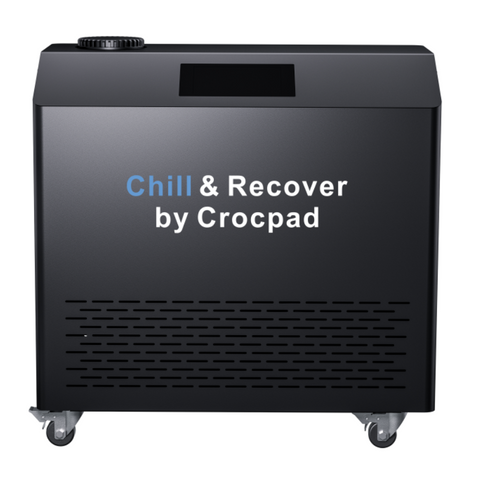
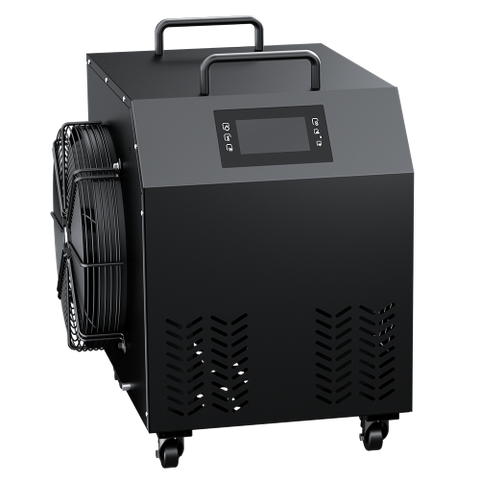
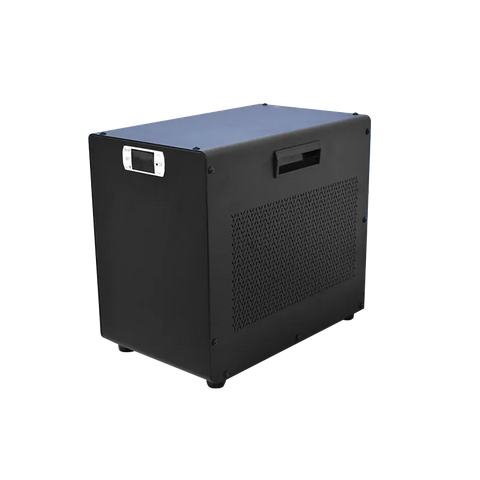
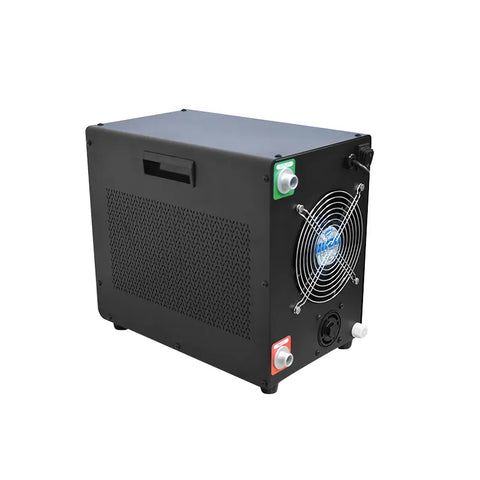
For athletes serious about maximising their recovery, investing in a purpose-built ice bath system provides consistent temperatures, easy maintenance, and the durability required for regular use. Crocpad's range of ice baths offers solutions designed specifically for the demanding Australian climate and athlete requirements.
Temperature Monitoring
Accurate temperature measurement is crucial for effective protocols. Digital thermometers allow precise monitoring to ensure you're training within optimal temperature ranges for your specific goals.
Safety Considerations
Never practice cold water therapy alone, especially when starting. Have safety protocols in place, including easy exit procedures and communication methods. Athletes with cardiovascular conditions should consult healthcare providers before beginning cold water therapy.
Common Mistakes to Avoid
Overuse During Adaptation Phases
Using cold water therapy too frequently during strength or power development phases may blunt training adaptations. Strategic timing is more important than frequent exposure.
Extreme Temperatures
Colder isn't necessarily better. Extremely cold temperatures can cause tissue damage and don't provide superior benefits compared to the recommended 11-15°C range.
Inconsistent Protocols
Random cold exposure won't deliver optimal results. Develop consistent protocols that align with your training phases and competitive calendar.
Integration with Other Recovery Modalities
Cold water therapy works synergistically with other recovery practices:
- Sleep optimisation: The body temperature reduction following cold exposure can improve sleep quality
- Nutrition timing: Post-cold therapy is an excellent time for protein consumption to support recovery
- Mobility work: Light movement and stretching after cold exposure can enhance circulation benefits
Measuring Success: Key Performance Indicators
Track these metrics to assess your cold water therapy effectiveness:
- Subjective recovery ratings before training sessions
- Sleep quality scores
- Training session ratings of perceived exertion (RPE)
- Heart rate variability (HRV) trends
- Competition performance outcomes
The Future of Cold Water Therapy in Australian Sport
As our understanding of cold exposure physiology advances, protocols continue to evolve. Personalised approaches based on individual responses, genetic factors, and specific sport demands represent the frontier of cold water therapy application.
Australian athletes are increasingly recognising that recovery isn't passive—it's an active component of training that deserves the same attention as skill development and physical preparation.
Getting Started: Your Cold Water Therapy Action Plan
Ready to incorporate cold water therapy into your athletic routine? Start with these steps:
- Assess your current recovery practices and identify areas where cold water therapy might provide benefits
- Consult with your coach or sports science support team about optimal integration timing
- Invest in proper equipment that will support consistent practice
- Begin with conservative protocols and progressively adapt based on your response
- Monitor and adjust based on performance and recovery metrics
Remember, the most sophisticated recovery tool is only effective if used consistently and appropriately. Cold water therapy isn't a magic solution, but when properly integrated into a comprehensive training and recovery program, it can provide the competitive edge that separates good athletes from great ones.
For Australian athletes ready to take their recovery seriously, investing in a quality cold water therapy setup is an investment in long-term athletic success. The combination of science-backed protocols, quality equipment, and consistent application creates a powerful tool for athletic excellence.