The Science Behind Optimal Ice Bath Recovery Protocols
Elite athletes across Australia are turning to cold water immersion not just as a recovery tool, but as a strategic weapon for peak performance. From the AFL to Olympic swimmers, the right ice bath protocol can mean the difference between good and exceptional athletic performance.
Recent research from Australian sports science institutions has revealed that the effectiveness of ice baths isn't just about getting cold – it's about following precise, evidence-based protocols that maximise physiological benefits while minimising potential drawbacks.
Understanding the Physiological Response to Cold Water Immersion
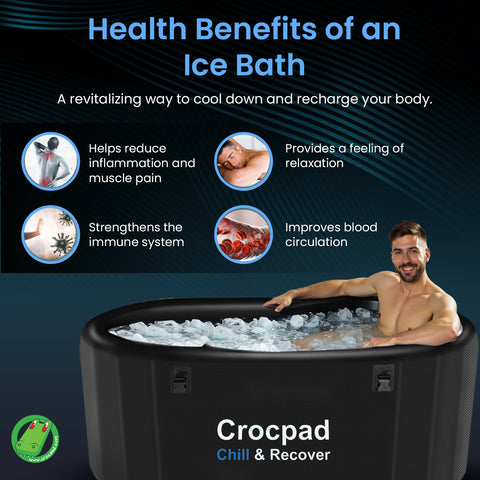
When your body enters cold water, a cascade of physiological responses begins immediately. Blood vessels constrict (vasoconstriction), reducing blood flow to extremities and directing it to vital organs. This process, combined with the hydrostatic pressure of water, helps flush metabolic waste products from muscle tissue.
Dr Sarah Mitchell from the Australian Institute of Sport explains: "The key is understanding that cold water immersion triggers both immediate and delayed responses. The immediate vasoconstriction helps reduce inflammation, while the subsequent vasodilation upon warming promotes nutrient delivery to recovering tissues."
Temperature Protocols: Getting the Numbers Right
Research consistently shows that water temperature between 10-15°C provides optimal benefits for most athletes. Here's what the science tells us:
- 10-12°C: Ideal for post-competition recovery and inflammation reduction
- 12-15°C: Perfect for regular training recovery and adaptation
- Below 10°C: Reserved for experienced athletes under supervision
- Above 15°C: Less effective for anti-inflammatory benefits
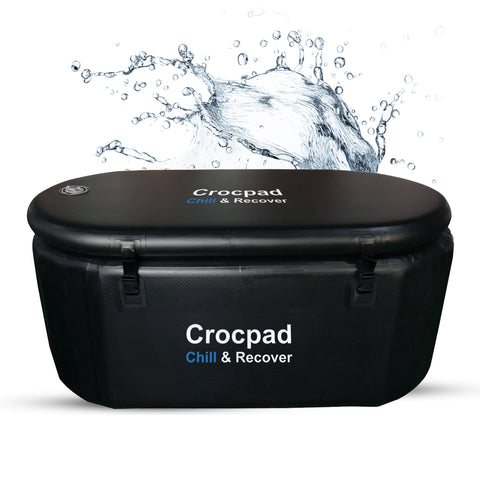
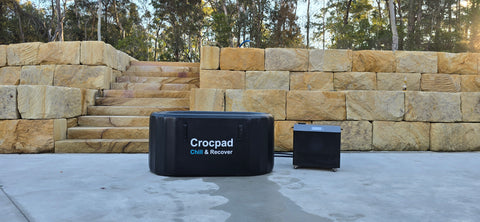
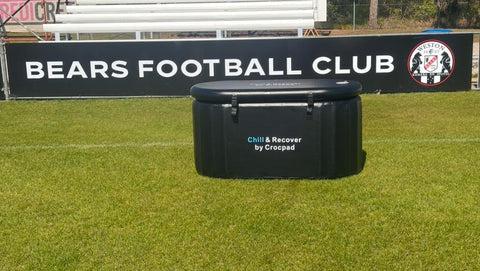
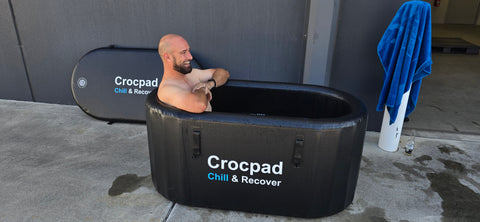
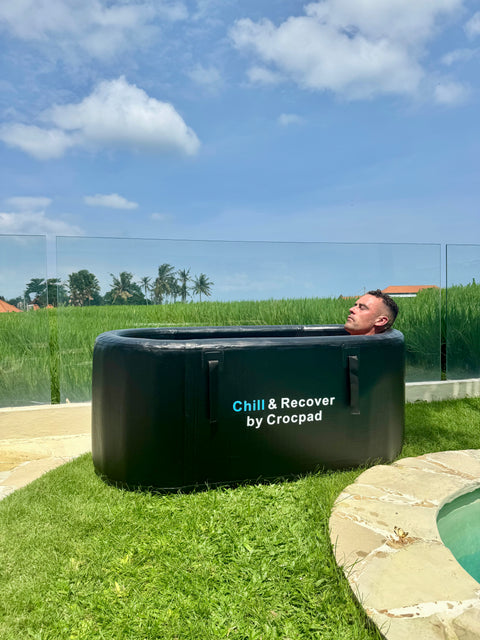
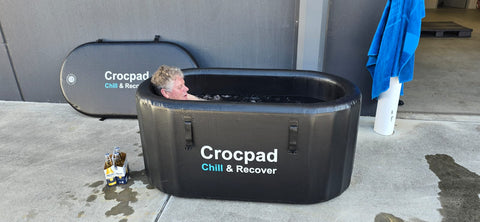
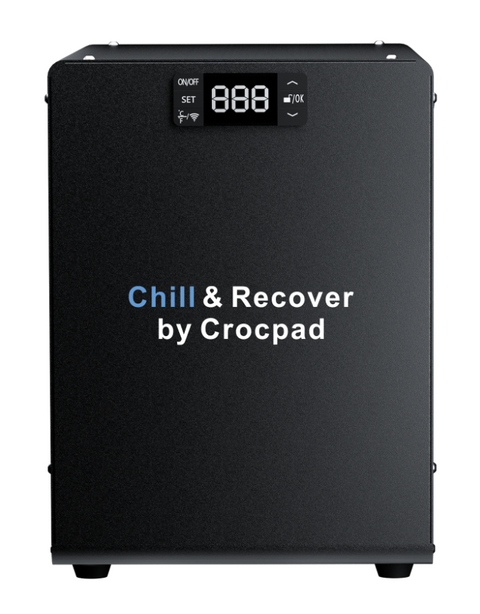
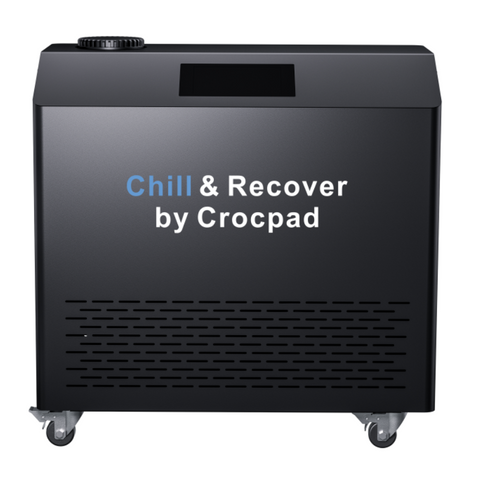
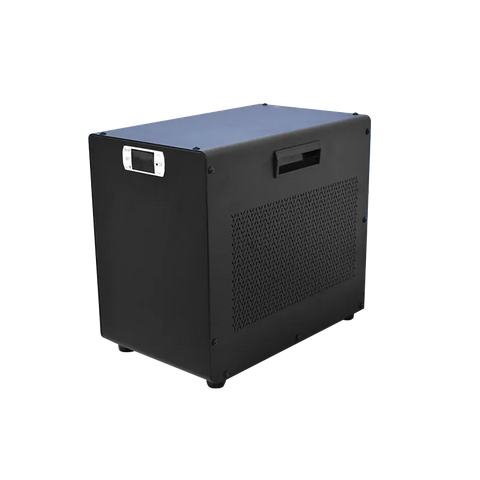
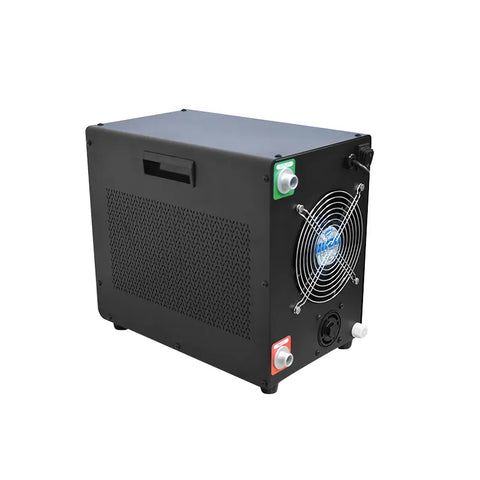
The Crocpad Ice Bath Chiller allows precise temperature control, ensuring you hit these optimal ranges consistently for maximum recovery benefits.
Timing Protocols: Duration and Frequency Guidelines
Session Duration
The sweet spot for ice bath duration varies based on your training status and recovery goals:
- Beginners: 3-5 minutes at 12-15°C
- Intermediate athletes: 8-12 minutes at 10-15°C
- Elite athletes: 10-15 minutes at 10-12°C
Research from Griffith University found that sessions longer than 20 minutes provided no additional benefits and may actually impair the body's natural adaptation processes.
Optimal Timing Post-Exercise
The timing of your ice bath relative to training is crucial:
- Immediately post-exercise: Most effective for reducing acute inflammation
- Within 2 hours: Still beneficial for recovery acceleration
- Beyond 4 hours: Significantly reduced effectiveness
Frequency Protocols for Different Athletic Demands
Your ice bath frequency should align with your training intensity and competition schedule:
High-Intensity Training Periods
- Daily ice baths during competition phases
- Focus on 10-12 minute sessions
- Prioritise consistency over intensity
Regular Training Cycles
- 3-4 ice bath sessions per week
- Allow 48-hour gaps between sessions when possible
- Adjust based on training load and recovery markers
Off-Season Maintenance
- 2-3 sessions per week
- Slightly longer durations (12-15 minutes)
- Focus on maintaining cold adaptation
Advanced Protocol Strategies for Elite Performance
Contrast Water Therapy
Alternating between cold and warm water can amplify recovery benefits:
- 3 minutes in ice bath (10-12°C)
- 1 minute in warm water (37-40°C)
- Repeat cycle 3-4 times
- Always finish with cold water immersion
Progressive Cold Adaptation
Building cold tolerance systematically improves both physiological and psychological benefits:
- Week 1-2: 15°C for 5 minutes
- Week 3-4: 13°C for 8 minutes
- Week 5-6: 11°C for 10 minutes
- Week 7+: 10°C for 12-15 minutes
Monitoring and Adjusting Your Protocol
Elite athletes don't just follow protocols blindly – they monitor responses and adjust accordingly. Key indicators to track include:
- Heart rate variability (HRV)
- Perceived recovery ratings
- Sleep quality scores
- Training performance metrics
- Subjective wellness questionnaires
If recovery markers decline or performance suffers, consider reducing frequency or intensity of your ice bath protocol.
Common Protocol Mistakes to Avoid
The "Colder is Better" Fallacy
Many athletes assume that colder water automatically means better results. Research shows that temperatures below 8°C can actually impair the body's natural recovery processes and increase injury risk.
Inconsistent Application
Sporadic ice bath use provides minimal benefits. Consistent application of moderate protocols outperforms irregular extreme sessions every time.
Ignoring Individual Responses
What works for one athlete may not work for another. Pay attention to your body's unique responses and adjust protocols accordingly.
Integrating Ice Baths with Other Recovery Modalities
Ice baths work best as part of a comprehensive recovery strategy:
- Nutrition: Consume protein within 30 minutes post-ice bath
- Sleep: Ice baths 2-3 hours before bed can improve sleep quality
- Active recovery: Light movement post-ice bath enhances circulation
- Massage: Schedule 24-48 hours after ice bath sessions
Setting Up Your Home Ice Bath System
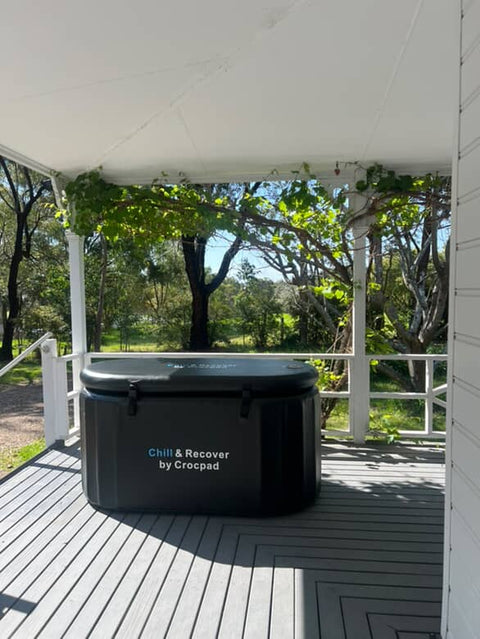
Consistency requires accessibility. The Crocpad Pro Ice Bath provides the reliability and temperature control needed for serious athletes to maintain precise protocols at home.
Key features for protocol adherence:
- Accurate temperature monitoring
- Consistent water temperature maintenance
- Easy setup and maintenance
- Durable construction for daily use
Frequently Asked Questions
How long should elite athletes stay in an ice bath?
Elite athletes typically benefit from 10-15 minute sessions at 10-12°C. This duration provides optimal anti-inflammatory benefits without compromising natural adaptation processes. Start with shorter durations and build up progressively.
What's the best water temperature for athletic recovery?
Research supports 10-15°C as the optimal range. Temperatures of 10-12°C are ideal for post-competition recovery, while 12-15°C works well for regular training recovery. Avoid going below 8°C as this may impair recovery processes.
How often should athletes use ice baths during training?
During high-intensity training periods, daily ice baths can be beneficial. For regular training cycles, 3-4 sessions per week is optimal. Always allow your body to adapt gradually and monitor recovery markers to avoid overuse.
Should ice baths be used immediately after training?
Yes, ice baths are most effective when used immediately post-exercise or within 2 hours of training. This timing maximises the anti-inflammatory benefits and accelerates the removal of metabolic waste products from muscle tissue.
Where to Find Premium Ice Bath Solutions
Ready to implement science-backed ice bath protocols? Visit our store locator to find your nearest Clark Rubber location, or explore our complete ice baths collection online.
Crocpad ice baths are available at Clark Rubber stores across Australia and online at crocpad.com.au. Whether you're a weekend warrior or elite athlete, we have the right solution to support your performance goals.