
The most expensive, high-tech recovery method isn't always the most effective for your body. You might think spending ninety dollars on a three-minute blast of liquid nitrogen is the peak of modern wellness, but the traditional soak in a tub of icy water is actually winning the race for many in 2026. We've all been there; you finish a brutal training session or a weekend of adventure only to wake up feeling like your muscles are made of lead. It's a massive drain on your time and wallet to constantly book clinical appointments just to get some relief from lingering soreness.
This guide settles the ice bath vs cryotherapy debate once and for all. You'll discover the definitive comparison between these two methods to find the ultimate recovery protocol for your specific lifestyle. We're breaking down the science of hydrostatic pressure, comparing the long-term costs of "wet" versus "dry" cold, and showing you how Crocpad can help bring elite-level recovery into your own backyard. Whether you want to slash systemic inflammation or simply find a convenient way to bounce back faster every single day, we've got the answers you need to stay at the top of your game.
Key Takeaways
- Discover why the hydrostatic pressure of water provides a superior physiological "pump" for lymphatic drainage compared to dry cold air.
- Navigate the ice bath vs cryotherapy debate by comparing the long-term costs of clinic visits against the convenience of a professional home setup.
- Learn the optimal timing for your recovery sessions to manage inflammation without compromising your hard-earned muscle gains.
- Identify which cold method best supports injury management and systemic rejuvenation for an active Australian lifestyle.
- Explore how durable, marine-grade gear and advanced chillers eliminate the need for constant ice runs and travel to recovery centres.
Understanding Cold Therapy: Ice Bath vs Cryotherapy Defined
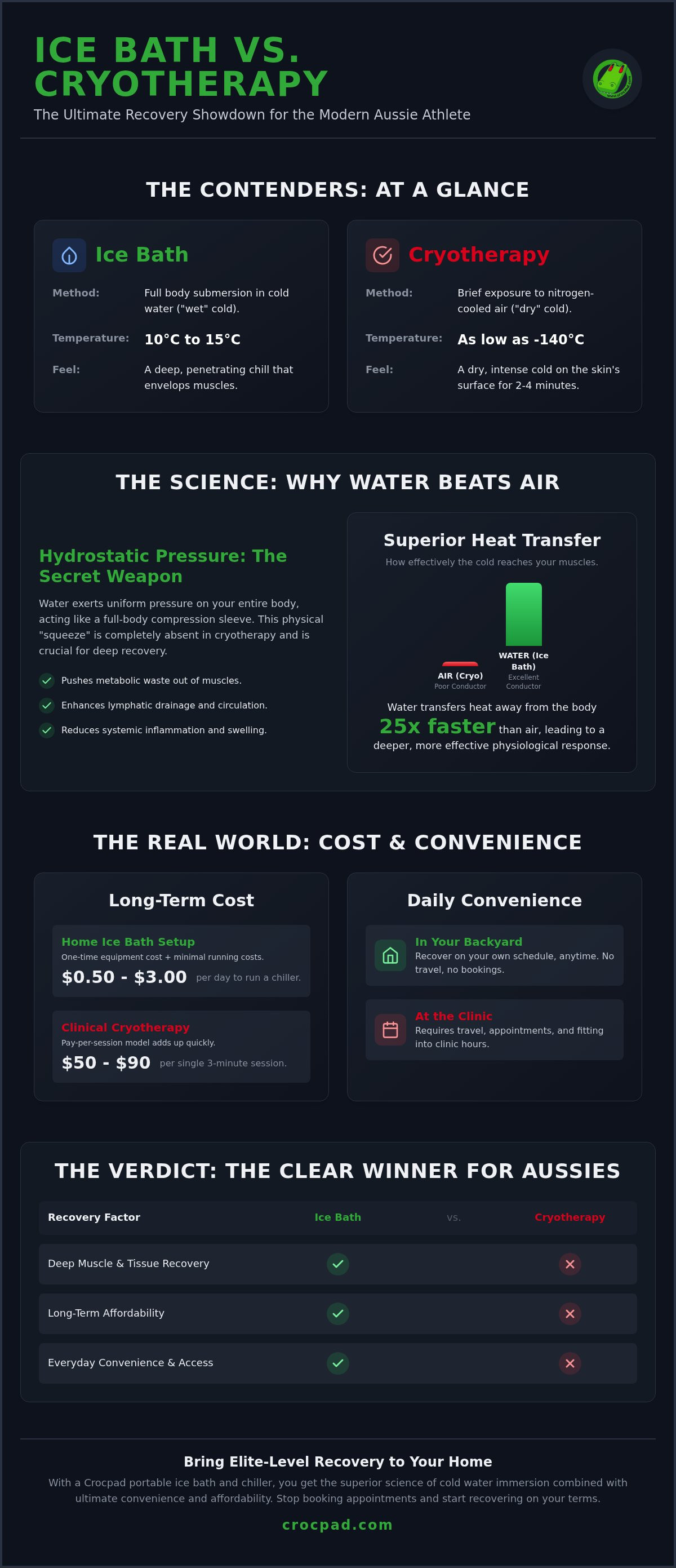
Choosing between an ice bath vs cryotherapy often comes down to how you prefer your cold delivered: via a deep soak or a freezing blast of air. Traditional cold water immersion involves submerging your body in water kept between 10°C and 15°C. On the other hand, Whole Body Cryotherapy (WBC) uses nitrogen-cooled or electric air to drop chamber temperatures to staggering lows for a short three-minute burst. While both aim to trigger a systemic recovery response, the way your body reacts to "wet" versus "dry" cold is fundamentally different. Many Aussies are now ditching the expensive clinical visits in favour of building their own high-performance recovery hubs right in their backyards.
To better understand this concept, watch this helpful video:
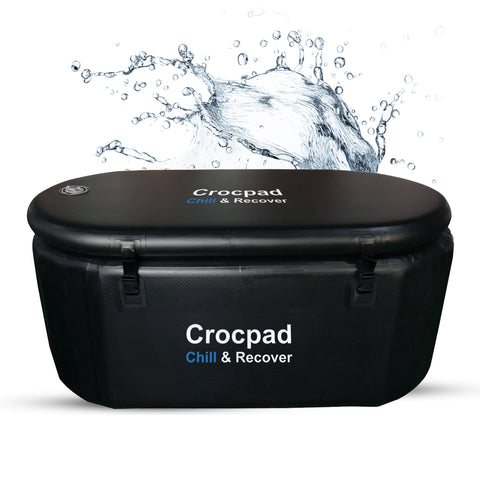
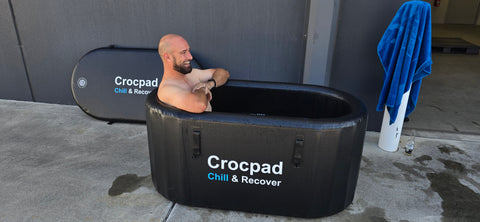
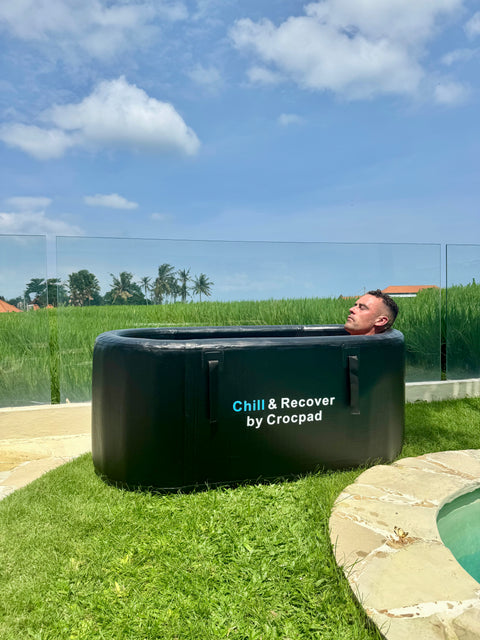
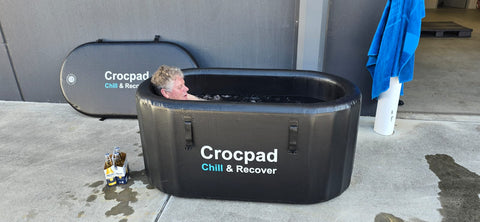
The landscape of recovery has changed rapidly. We've moved beyond clunky, makeshift setups and messy bags of ice. Modern recovery enthusiasts now opt for sleek, high-performance gear like the portable ice bath or a dedicated ice Bath Pod. These systems are designed for durability and efficiency, ensuring you spend less time prepping and more time rejuvenating. This shift toward home-based solutions is driven by a desire for consistency and the freedom to recover on your own terms.
The Mechanics of Cold Water Immersion
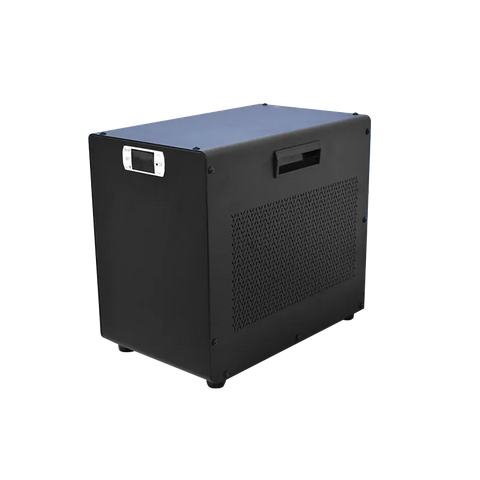
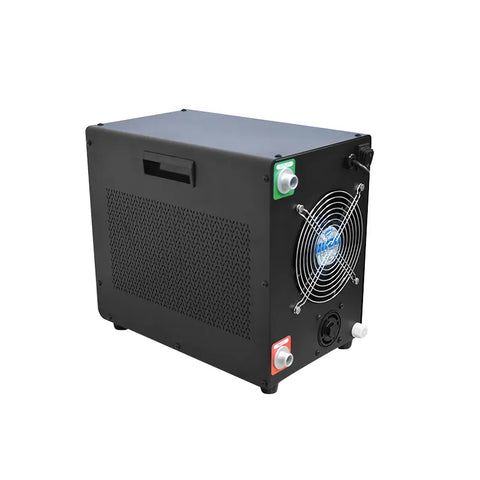
Water is an incredible conductor. It transfers heat away from your muscles 25 times faster than air, providing a deep, penetrating chill that air simply cannot match. To keep things consistent, advanced Ice Bath Chillers now maintain precise temperatures for as little as $0.50 to $3.00 per day in running costs. This removes the hassle of buying ice from the local servo, making daily recovery a seamless part of your lifestyle. Using a compact ice Bath Pod allows you to fit a professional-grade setup into even the smallest patio or balcony.
The Cryotherapy Chamber Experience
Walking into a Cryotherapy chamber is a sterile, clinical experience. These units can reach temperatures as low as -140°C, using liquid nitrogen or powerful electric cooling to chill the air. Because air is a poor conductor, you don't feel the same "bite" as you do in water; instead, it's a dry, surface-level cold. A typical clinical session lasts just 2 to 4 minutes and requires you to wear minimal clothing, usually just socks, gloves, and a mask for safety. While it’s a fast way to trigger endorphins, it lacks the physical pressure that water provides and costs between $50 and $90 per session in Australian clinics.
The Science of Recovery: Why Water Beats Air
While standing in a freezing chamber might feel like the height of technology, the physics of water immersion tells a different story. In the debate of ice bath vs cryotherapy, the winner is often determined by how effectively the cold reaches your deep muscle tissue. Hydrostatic pressure is the physical force exerted by water on the body during submersion that compresses the tissues to reduce oedema and enhance venous return. This "squeezing" effect is completely absent in cryotherapy chambers, leaving air-based methods at a massive physiological disadvantage for deep-seated recovery.
The "pump" effect created by water immersion is a masterclass in vascular efficiency. When you submerge, your blood vessels constrict (vasoconstriction) to keep your core warm. Once you hop out, they dilate (vasodilation), flooding your muscles with fresh, oxygenated blood. This cycle is far more intense in water because of the uniform pressure and superior heat transfer. For Australian athletes looking for a reliable, long-term solution, investing in a Portable ice bath provides a level of recovery that clinical air chambers simply can't replicate in such a short window.
Hydrostatic Pressure: The Secret Weapon of Ice Baths
Hydrostatic pressure acts like a full-body compression sleeve. It assists in moving metabolic waste out of the muscle tissue and back into circulation. This process is vital for several key recovery markers:
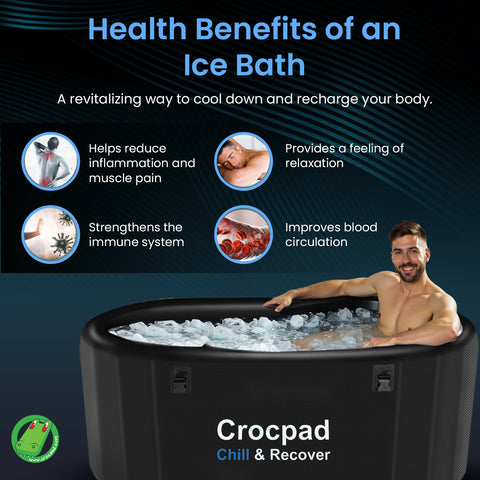
- Reducing systemic inflammation and localised swelling
- Improving heart rate variability (HRV) by stimulating the vagus nerve
- Facilitating faster lymphatic drainage to clear exercise byproducts
Thermal Conductance and Tissue Cooling
There is also the issue of thermal conductance. Water is roughly 25 times more thermally conductive than air. This means a 10°C ice bath will cool your core and deep muscle tissue much more effectively than -110°C air. In a cryotherapy chamber, the body often experiences the "Leidenfrost Effect", where a thin layer of insulating air forms around the skin, protecting the core from the extreme cold. As noted by Forbes Health on Cryotherapy, while the skin temperature drops rapidly in a chamber, the actual muscle temperature remains relatively stable. If your goal is to smash Delayed Onset Muscle Soreness (DOMS), you need that deep tissue cooling that only a soak can provide.
To get these science-backed benefits without the hassle of clinical bookings, setting up a high-quality Ice Bath Tub at home ensures you have access to hydrostatic recovery whenever you need it. It is the most direct way to ensure your muscles actually reach the temperatures required to trigger real healing and reduce the "heavy legs" feeling after a massive weekend of adventure.
Practical Comparison: Convenience, Cost, and Consistency
When you're staring down the barrel of a week with five heavy training sessions, the "friction factor" becomes your biggest enemy. Deciding between an ice bath vs cryotherapy often comes down to what you can actually sustain. Driving thirty minutes to a recovery centre, finding a park, and paying for a single session is a massive hurdle. In contrast, walking ten steps into your backyard to submerge in a chilled pod removes every excuse. If your recovery gear isn't accessible, you simply won't use it enough to see the cumulative benefits.
The economics of cold therapy are equally revealing. A single session of whole-body cryotherapy in Australia typically costs between $50 and $90. If you are serious about recovery and go twice a week, you're looking at over $7,000 a year in clinical fees alone. Investing in a high-quality home setup is a one-time cost that pays for itself in just a few months. Modern chillers have also revolutionised the experience, keeping your water at a crisp 3°C to 5°C for as little as $0.50 to $3.00 per day in running costs. It is the ultimate "set and forget" solution for the busy Aussie athlete.
The Reality of Clinical Cryotherapy
Clinical cryotherapy often feels like a premium experience, yet it traps you in a cycle of recurring costs and rigid booking schedules. Most clinics close by 7 PM, which is useless if you finish a night game or a late gym session and need immediate relief. Consistency is the key to managing systemic inflammation. A systematic review and meta-analysis suggests that regular cold exposure is far more effective for muscle soreness than occasional, sporadic treatments. When you rely on a clinic, your recovery is dictated by their calendar, not your body's needs.
Owning Your Recovery: The Home Ice Bath Advantage
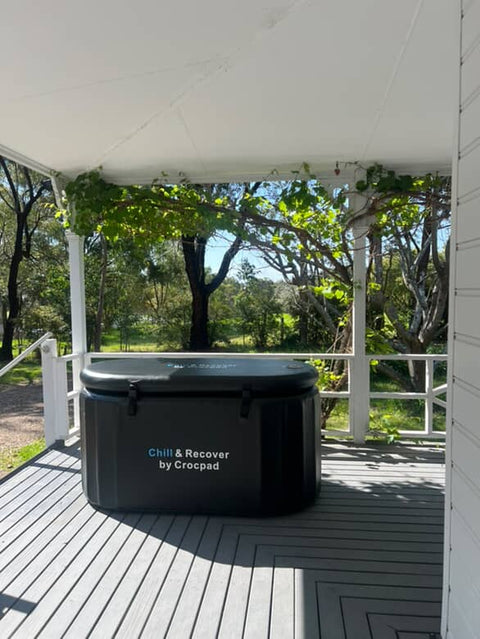
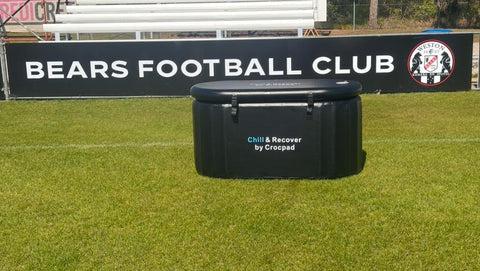
Owning a Portable ice bath or an ice Bath Pod gives you 24/7 access to elite-level recovery. You can jump in at 9 PM on a Sunday or 5 AM before work without a second thought. This level of convenience means the whole family or the entire footy team can benefit from a single investment. Crocpad gear is built with marine-grade materials specifically to withstand the harsh Australian sun and outdoor conditions. Whether you keep it on the deck or pack it up for a weekend trip to a regional carnival, your recovery travels with you. It transforms recovery from a luxury appointment into a foundational daily habit that keeps you moving better for longer.
Choosing Your Protocol: When to Use Which Method
Setting up a recovery routine isn't a one-size-fits-all job. When weighing up ice bath vs cryotherapy, you need to align your choice with your specific training goals. If you're currently in a heavy hypertrophy block trying to pack on size, avoid jumping into the cold immediately after your session. Cold immersion can blunt the natural inflammatory response your body needs to trigger muscle protein synthesis. Instead, wait at least four to six hours or save your soak for a dedicated rest day to ensure you aren't accidentally sabotaging your gains.
The mental benefits are just as potent as the physical ones. That initial cold shock triggers a massive surge in dopamine and norepinephrine, leaving you feeling sharp and energised for hours. To achieve significant metabolic and mental health benefits, aim for a total of 11 minutes of cold exposure per week spread across several sessions. This isn't about suffering through a single long session; it's about consistent, controlled stress that builds systemic resilience and improves your mood long after you've dried off.
Post-Workout Recovery Timelines
For endurance athletes coming off a marathon or a long ride, the deep tissue cooling of an ice bath is unmatched. It addresses the systemic inflammation that dry air simply can't reach. While cryotherapy offers a quick nervous system refresh that’s great for a mid-week pick-me-up, it lacks the depth required for true muscular restoration after high-volume events. Use your ice Bath Pod for those heavy-duty recovery days when your legs feel like lead and you need the hydrostatic pressure to move metabolic waste.
The "Aussie Summer" Protocol
Managing your core temperature during a brutal Australian summer is a game-changer for performance. When the ambient temperature hits 35°C or higher, keeping your water at a consistent recovery temperature is impossible without the right gear. A high-performance Ice Bath Chiller ensures your water stays at a crisp 3°C even when the sun is beating down on your deck. Just remember to ease in; entering extreme cold when you are overheated can cause thermal shock, so give your body a moment to adjust before full submersion. To dial in your recovery and beat the heat this season, explore the full range of Crocpad recovery gear and find the perfect fit for your backyard.
Crocpad Ice Baths: Professional Recovery in Your Backyard
Crocpad has established itself as the trusted partner for Australians who take their leisure and recovery as seriously as their performance. When you weigh up the ice bath vs cryotherapy options, the ability to maintain a professional routine at home is what ultimately drives long-term results. We focus on structural integrity and environmental resilience, ensuring our gear handles everything the Aussie climate throws at it. By bringing the clinic to your backyard, you gain total control over your physical rejuvenation without the recurring costs of clinical appointments. Our products are built for longevity, using marine-grade materials that resist the degrading effects of salt and intense UV exposure.
The Crocpad Ice Bath Pod vs. Portable Tub
Choosing the right setup depends on your available space and recovery needs. The ice Bath Pod offers an ultra-portable, space-saving design that fits perfectly on apartment balconies or small decks. For those with a larger backyard footprint, our Portable ice bath tubs provide ample room for a deep, comfortable soak. Every unit uses high-spec insulation technology to trap the cold; ensuring your water stays at the optimal temperature for longer. Setup is fast and intuitive, getting you from the box to your first session in minutes. This portability means your recovery doesn't have to stop when you head away for a weekend adventure or a regional sports carnival.
Integrated Chiller Systems
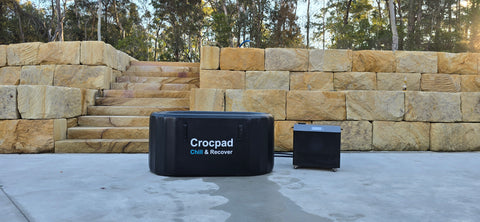
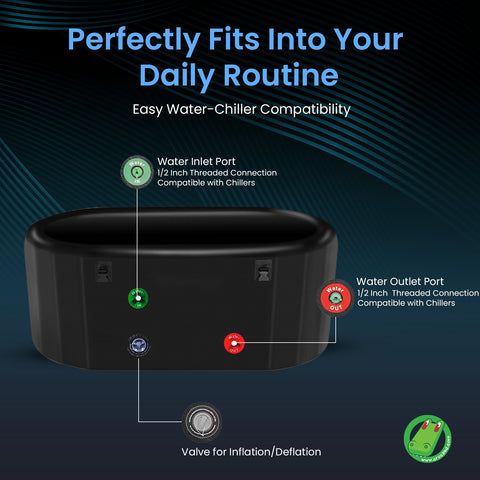
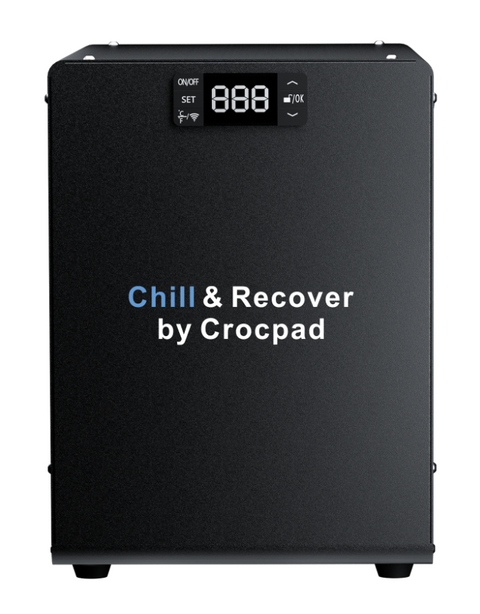
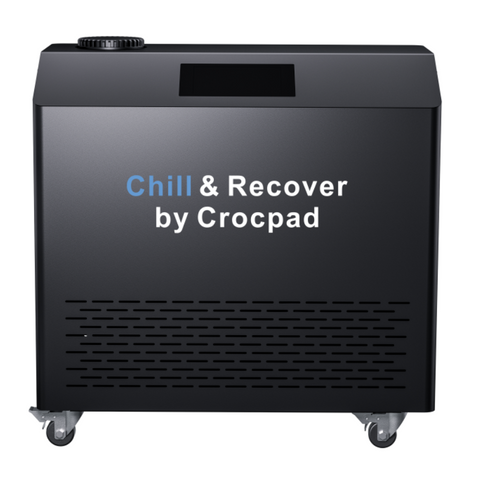
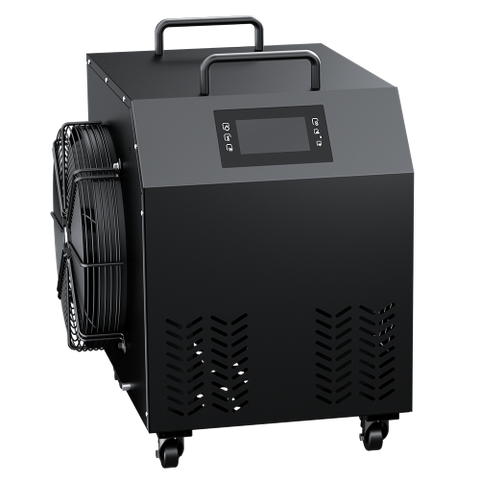
Stop wasting time and money on endless bags of ice from the local servo. Our advanced Ice Bath Chillers provide precise temperature control, allowing you to maintain a perfect 10°C environment with zero effort. This professional-grade consistency is a massive advantage for anyone following a strict protocol. The integrated filtration systems ensure your water remains clear and hygienic for weeks at a time; making maintenance a breeze. These systems are designed to be "set and forget," allowing you to focus entirely on your rejuvenation. Is it time to upgrade your recovery? Check out the Crocpad Ice Bath range here.
Take Control of Your Recovery Today
The winner in the ice bath vs cryotherapy debate is clear for anyone who values deep tissue results and long-term convenience. While cryotherapy offers a fast blast of cold, it simply cannot match the physical pressure and superior thermal conductance of water immersion. By choosing a home setup, you eliminate the travel time and recurring clinical fees that often stand in the way of a consistent routine. Professional recovery is no longer a luxury reserved for elite facilities; it is a tool you can use every single day in your own backyard.
Crocpad gear is designed by Aussies for Aussie conditions, featuring marine-grade durability that survives our harsh sun and demanding lifestyle. We also offer free shipping on select recovery gear to help you get started without the extra hassle. It is time to stop settling for lingering soreness and start investing in your physical longevity. Upgrade your recovery with a Crocpad Ice Bath and Chiller today. Don't let muscle fatigue hold you back from your next adventure. Dive in and start feeling the difference immediately.
Frequently Asked Questions
Is cryotherapy more effective than an ice bath for muscle recovery?
Ice baths are generally more effective for deep muscular recovery because water is 25 times more thermally conductive than air. This allows the cold to penetrate deeper into your tissue compared to the surface-level cooling found in a cryotherapy chamber. While cryotherapy provides a fast nervous system boost, the immersion method wins for reducing muscle soreness after a brutal training session or a long weekend of adventure.
How long should I stay in an ice bath compared to a cryotherapy chamber?
You should aim for 10 to 15 minutes in an ice bath, whereas a cryotherapy session typically lasts only 2 to 4 minutes. Because air doesn't transfer cold as efficiently, cryotherapy chambers must use extreme temperatures to trigger a response quickly. In contrast, the sustained chill of water immersion ensures your core and muscle temperatures actually drop to the levels required for real physiological change.
Can I do an ice bath every day, or is that too much?
Daily cold exposure is safe and highly beneficial for most people, provided you listen to your body's signals. Many Aussie athletes use a daily soak to manage systemic inflammation and boost their mood through a massive dopamine release. Just be careful not to jump in immediately after a strength session if your primary goal is muscle growth, as the cold can interfere with the signals that tell your muscles to get bigger.
Does cryotherapy burn more calories than an ice bath?
Both methods increase your metabolic rate through shivering and brown fat activation, but ice baths typically have a higher metabolic demand. Water pulls heat from the body much faster than air, forcing your system to work harder to maintain its core temperature. While neither should be your primary weight loss strategy, the ice bath vs cryotherapy comparison shows that water immersion provides a more intense metabolic challenge.
What is the best temperature for an at-home ice bath?
The ideal temperature range for effective cold water immersion is between 10°C and 15°C. Staying within this window provides the maximum recovery benefits without the unnecessary risks of extreme freezing. If you're using a professional setup like an ice Bath Pod, you can easily maintain this precise range using a dedicated chiller for consistent results every time you dive in.
Do I need a chiller for my ice bath, or is ice enough?
While bags of ice work, a dedicated chiller is the superior choice for consistency and long-term cost. Buying ice every day is expensive and time-consuming, often costing between $3,000 and $6,000 per year for frequent users in warm climates. A chiller keeps your water at the perfect temperature for just a few dollars a day, ensuring your recovery is always ready when you are.
Is cold therapy safe for everyone?
Cold therapy is generally safe for healthy individuals, but you should always consult your GP before starting a new routine. People with cardiovascular issues, high blood pressure, or Raynaud’s disease need to be particularly cautious. Start with shorter sessions at slightly higher temperatures to see how your body reacts before pushing for longer, colder soaks in your backyard.
How does hydrostatic pressure in an ice bath help with swelling?
Hydrostatic pressure acts like a natural compression sleeve by exerting uniform pressure on your limbs while submerged. This force assists in moving metabolic waste and excess fluid out of your muscle tissues and back into the circulatory system. This process is vital for reducing oedema and localised swelling after a tough game or a high-intensity training session.