What if the most powerful recovery tool you've been overlooking is sitting right in your backyard? An ice bath might sound brutal, but elite athletes and everyday fitness enthusiasts across Australia have been using cold water immersion for years to bounce back faster, reduce soreness, and feel genuinely recharged after hard training sessions.
We get it. The idea of plunging into icy water raises plenty of questions. How cold should it actually be? How long is too long? And is it really worth it compared to other recovery methods? Those are fair concerns, and you're not alone in asking them.
This guide cuts through the confusion and gives you everything you need to know. You'll discover the real health benefits backed by science, learn how to set up a safe and effective cold water routine at home, and find out what to look for in quality ice bath products that are built to last. Whether you're a seasoned cold water convert or just starting to explore recovery options, consider this your complete, no-nonsense starting point.
Key Takeaways
- An ice bath works by triggering specific physiological responses in your body that actively reduce inflammation and accelerate muscle recovery after intense exercise.
- There are clear temperature and duration guidelines you should follow to get the most out of cold water immersion while keeping the experience safe and effective.
- Setting up a practical ice bath routine at home is more straightforward than most people expect, and the right equipment makes a significant difference to your results.
- Not all cold water immersion products are built equal - you'll discover what features and build quality to look for before making a purchase decision.
- From portable options to dedicated tubs with chillers, there's a setup to suit every space, budget, and recovery goal.
What is an Ice Bath?
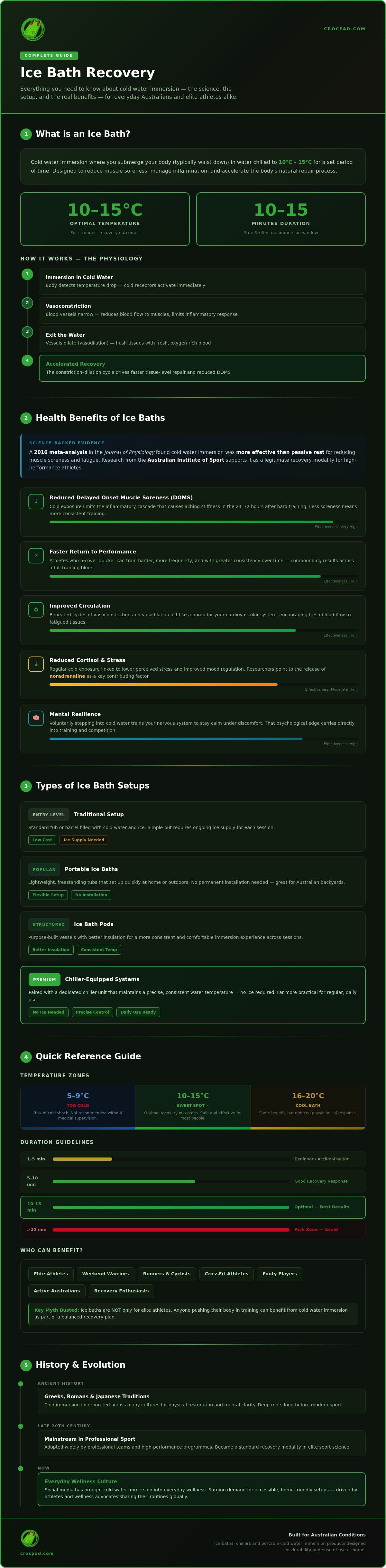
An ice bath is a cold water immersion therapy where you submerge your body, typically from the waist down, in water chilled to between 10°C and 15°C for a set period of time. It's one of the most direct and effective recovery tools used in sport and wellness, designed to reduce muscle soreness, manage inflammation, and accelerate the body's natural repair process after intense physical effort.
The physiological response is what makes it genuinely powerful. When you immerse yourself in cold water, your blood vessels constrict in a process called vasoconstriction. This reduces blood flow to the muscles and limits the inflammatory response triggered by hard training. Once you exit the water, your vessels dilate again, flushing the area with fresh, oxygen-rich blood. That cycle of constriction and dilation is essentially what drives faster recovery at the tissue level.
Cold water immersion isn't just for elite athletes. Recovery-focused fitness enthusiasts, weekend warriors, and everyday Australians dealing with the physical demands of an active lifestyle have all embraced it as a practical, repeatable part of their routine.
Types of Ice Baths
The options available today have come a long way from filling a bathtub with bags of ice. You can choose from:
- Traditional setups: A standard tub or barrel filled with cold water and ice, simple but requires ongoing ice supply.
- Portable ice baths: Lightweight, freestanding tubs that set up quickly at home or outdoors, with no permanent installation needed.
- Ice bath pods: Structured, purpose-built vessels offering better insulation and a more consistent experience.
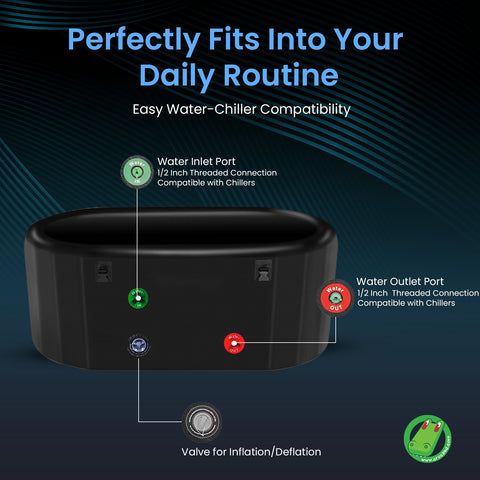
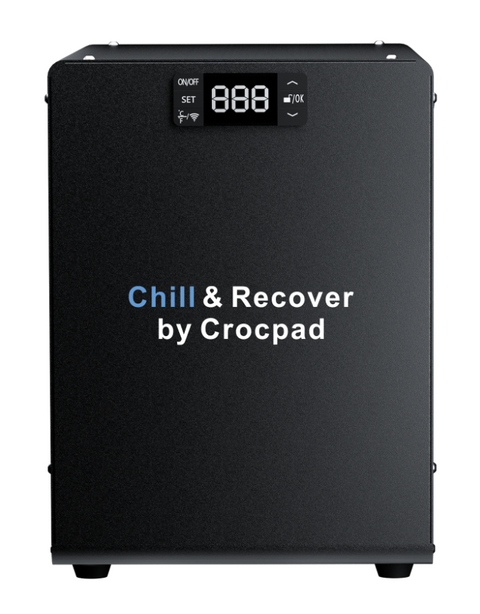
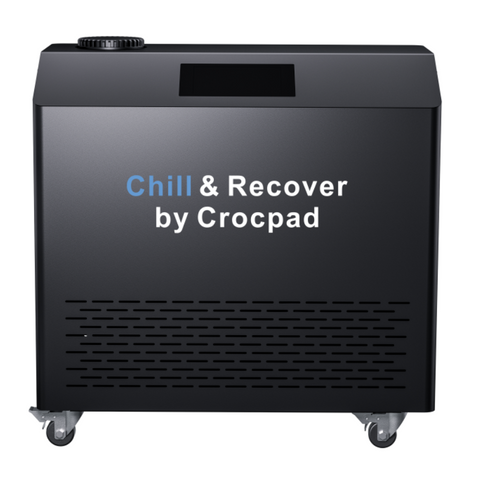
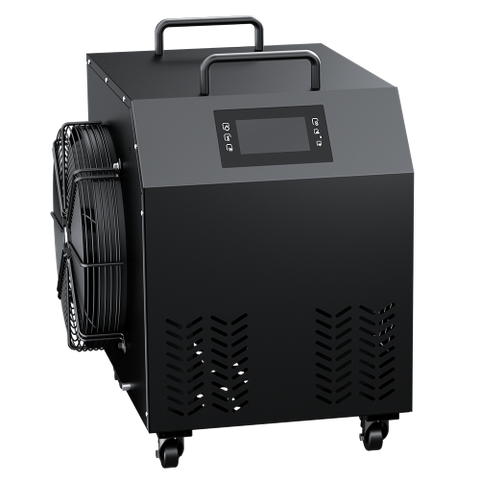
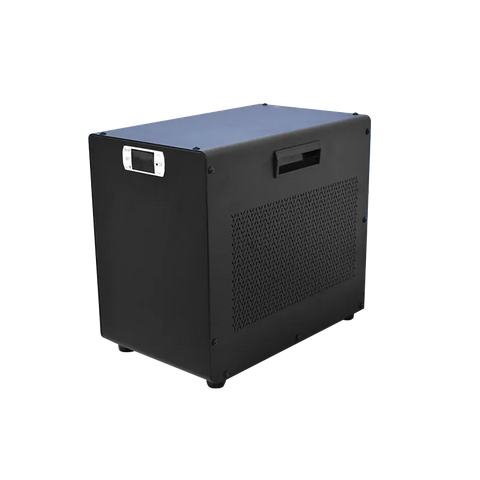
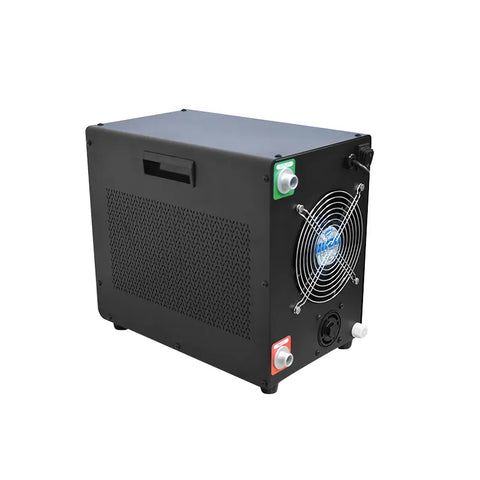
- Chiller-equipped systems: Paired with a dedicated chiller unit, these maintain a precise, consistent water temperature without relying on ice at all, making them far more practical for regular use.
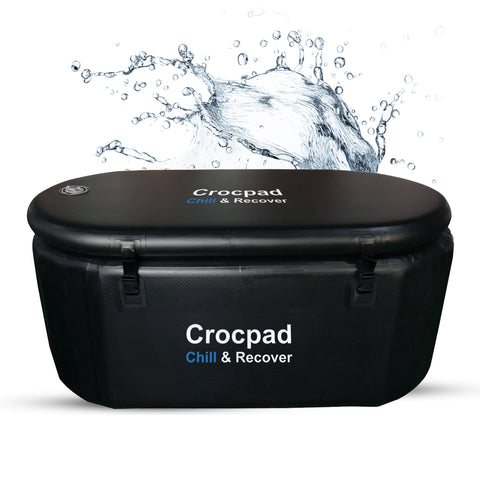
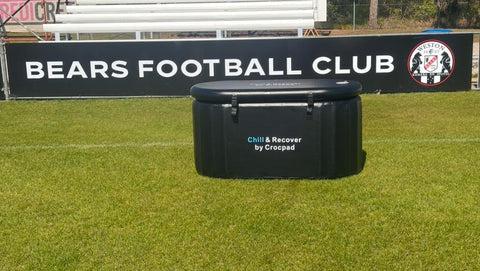
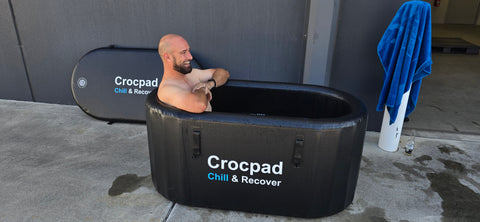
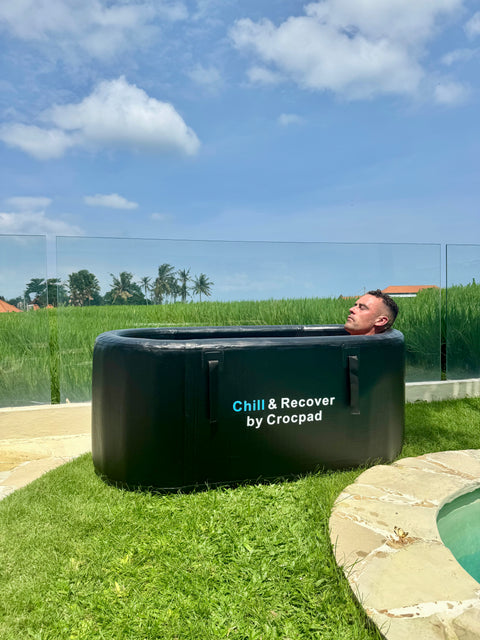
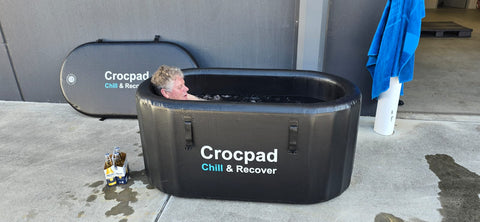
Crocpad offers a solid range of ice baths and chillers designed for durability and ease of use at home, from portable ice baths to purpose-built ice bath tubs and pods built to handle Australian conditions.
History and Evolution
Cold water therapy has deep roots across many cultures. Ancient Greeks, Romans, and Japanese traditions all incorporated cold immersion for physical restoration and mental clarity. In modern sport, it became a mainstream recovery tool throughout the latter half of the 20th century, adopted widely by professional teams and high-performance programmes. More recently, social media has brought cold water immersion into everyday wellness culture, with athletes and wellness advocates sharing their routines globally and driving a surge in demand for accessible, home-friendly setups.
Health Benefits of Ice Baths
Cold water immersion does a lot more than just feel dramatic. The physiological changes it triggers are real, measurable, and well-documented across decades of sports science research. Understanding what's actually happening in your body makes the experience feel far less intimidating and a whole lot more purposeful.
Here's what consistent cold water immersion delivers when done correctly:
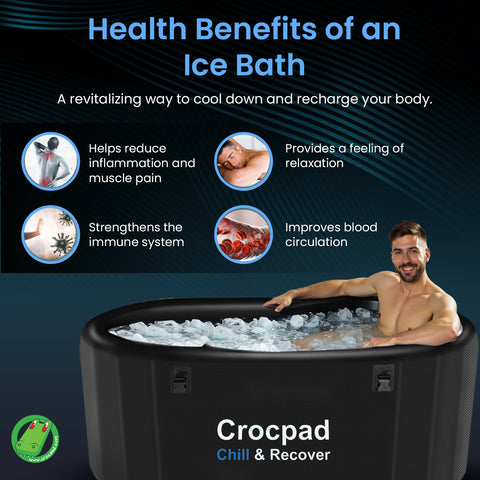
- Reduced delayed onset muscle soreness (DOMS): Cold exposure limits the inflammatory cascade that causes that familiar aching stiffness in the 24 to 72 hours after hard training.
- Faster return to performance: Athletes who recover quicker can train harder, more frequently, and with greater consistency over time.
- Improved circulation: The repeated cycle of vasoconstriction and vasodilation acts like a pump for your cardiovascular system, encouraging fresh blood flow to fatigued tissues.
- Reduced cortisol and stress: Regular cold exposure has been linked to lower perceived stress levels and improved mood regulation, with some researchers pointing to the release of noradrenaline as a contributing factor.
- Mental resilience: Voluntarily stepping into cold water trains your nervous system to stay calm under discomfort. That psychological edge carries directly into training and competition.
Scientific Evidence
A 2016 meta-analysis published in the Journal of Physiology found that cold water immersion was more effective than passive rest for reducing muscle soreness and fatigue in the short term. Research from the Australian Institute of Sport has also supported its use as a legitimate recovery modality for high-performance athletes. Most evidence points to water temperatures between 10°C and 15°C, with immersion durations of 10 to 15 minutes producing the strongest recovery outcomes without crossing into unsafe territory.
Common Misconceptions
The biggest myth? That ice baths are only for elite athletes. They're not. Anyone pushing their body in training, whether that's running, CrossFit, cycling, or weekend footy, can benefit from cold water immersion as part of a balanced recovery plan that also includes sleep, nutrition, and mobility work.
Another common concern is that the discomfort means something is wrong. It doesn't. That sharp, breathtaking cold is your body responding exactly as it should. The discomfort is temporary; the recovery benefits last considerably longer.
It's also worth clarifying that an ice bath isn't a replacement for proper training load management. It's a recovery tool, not a shortcut. Used consistently and correctly, it amplifies the work you're already doing. If you're ready to build that kind of routine, explore Crocpad's ice baths and chillers to find a setup that fits your space and training goals.
Setting Up Your Ice Bath at Home
Getting started is simpler than most people expect. The barrier isn't the cold - it's not knowing where to begin. Once you've got the right equipment in place and a clear process to follow, your home ice bath routine becomes as straightforward as any other part of your training.
Choosing the Right Setup for Your Space
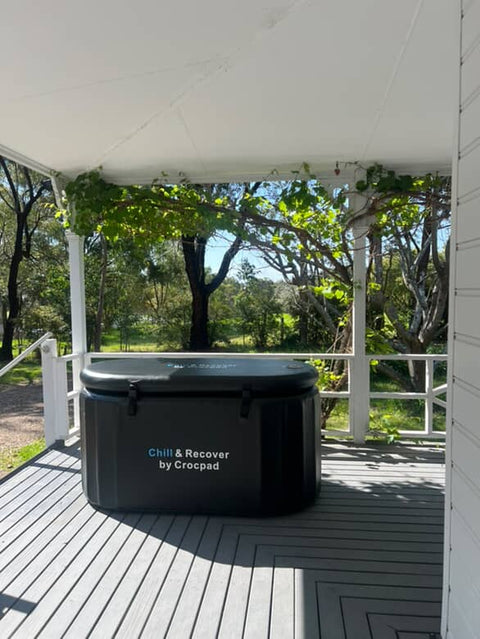
Before you buy anything, think about where your ice bath will live. Outdoors on a deck or patio works brilliantly for most Australian homes and gives you easy drainage. Indoors in a garage or laundry is another solid option. What matters is access to a water source, a stable flat surface, and enough clearance to get in and out safely.
Key features to consider when choosing your ice bath:
- Size and depth: You want enough room to submerge from the waist down comfortably without feeling cramped.
- Insulation quality: Better insulation holds your target temperature longer, which matters especially if you're not using a chiller.
- Durability: Look for materials that can handle repeated use, UV exposure, and Australian summer conditions without degrading.
- Portability vs. permanence: A portable ice bath suits renters or those who want flexibility; a structured tub or pod suits anyone building a dedicated recovery space.
Essential Equipment
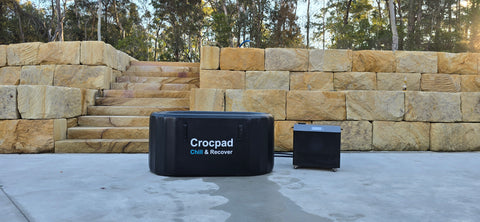
Crocpad's range covers the full spectrum of home cold water immersion setups. Their portable ice bath is lightweight and quick to assemble, making it a practical entry point. For a more structured experience, the ice bath tub and ice bath pod offer greater stability and insulation. Pair either with a Crocpad chiller and you've eliminated the ongoing cost and hassle of sourcing ice entirely - the chiller maintains a consistent temperature automatically, session after session.
Useful accessories to round out your setup include a non-slip mat for safe entry and exit, a waterproof timer so you don't lose track of your immersion duration, and a warm robe or towel within arm's reach for when you get out. Small details, but they make the routine far more comfortable and repeatable.
For maintenance, rinse your tub after each use, change the water regularly if you're not using a filtration-equipped chiller, and store it out of direct sunlight when not in use to protect the materials over time.
Step-by-Step Setup
Follow this straightforward process each session:
- Position your tub on a flat, stable surface near a drain or an area where runoff won't cause issues.
- Fill with cold water to a level that will submerge you from the waist down when seated.
- Set your chiller to your target temperature - between 10°C and 15°C is the recommended range for effective recovery.
- Allow the water to reach temperature before entering. If you're using ice rather than a chiller, add it gradually and use a thermometer to confirm the reading.
- Do a quick safety check: confirm the tub is stable, your exit path is clear, and you've got a warm layer ready for afterwards.
- Enter slowly, control your breathing, and begin your timed immersion.
That's genuinely all there is to it. Browse Crocpad's ice baths and chillers to find the setup that fits your space, your training load, and the way you want to recover.
Safety Tips and Best Practices
Cold water immersion is genuinely safe for most healthy adults when it's done correctly. The key word there is correctly. Respecting a few straightforward guidelines is the difference between a recovery session that works brilliantly and one that causes more harm than good.
Pre-Bath Preparations
Before you step in, take a few minutes to set yourself up properly. If you have a cardiovascular condition, Raynaud's disease, high blood pressure, or any other health concern, speak with your GP before starting cold water immersion. Cold exposure places a real demand on your cardiovascular system, and it's not something to second-guess when a health condition is involved.
Stay hydrated beforehand. Cold water can mask your body's thirst signals, so drink water before your session rather than relying on how you feel in the moment. Avoid entering an ice bath immediately after an intense workout without allowing your heart rate to settle first. A few minutes of light movement or walking to bring your breathing down is all you need.
Have everything within reach before you get in: a thermometer to confirm your water temperature, a towel or warm robe for afterwards, and a timer so you're not guessing your duration.
During and After the Bath
Stick to water temperatures between 10°C and 15°C. Colder isn't better. Dropping below 10°C significantly increases the risk of cold shock, hyperventilation, and in extreme cases, hypothermia. Keep your immersion between 10 and 15 minutes. That window consistently delivers strong recovery outcomes without pushing your body into unsafe territory.
While you're in the water, pay attention to what your body is telling you. Some sharp cold and initial breathlessness is completely normal. Exit immediately if you experience any of the following:
- Uncontrollable shivering that won't settle
- Numbness or loss of sensation in your limbs
- Confusion, dizziness, or disorientation
- Chest tightness or difficulty breathing
- Skin turning white or a deep bluish colour
Getting out safely matters too. Exit slowly and deliberately. Cold water affects your coordination more than you'd expect, so use both hands on the tub edge, plant your feet carefully, and don't rush.
After the bath, warm up naturally. Put on dry clothes, wrap yourself in a warm robe, and move gently to help your circulation recover. Avoid jumping straight into a hot shower, as the rapid temperature shift can cause light-headedness. Give your body 10 to 15 minutes to regulate before applying any direct heat.
A well-designed tub with reliable temperature control takes a lot of the guesswork out of staying in the safe range every session. Explore Crocpad's ice baths and chillers to find a setup that makes consistent, safe cold water immersion straightforward from day one.
Why Choose Crocpad for Your Ice Bath Needs?
When you're investing in your recovery, the equipment you choose matters more than most people realise. A poorly built tub that loses temperature quickly, cracks under UV exposure, or becomes a hassle to maintain will kill your motivation to stay consistent. Crocpad was built around the opposite philosophy: durable, practical gear that holds up to real Australian conditions and makes regular cold water immersion something you actually look forward to.
The range covers every setup style. Whether you want the flexibility of a portable ice bath that packs away easily or the structured stability of a dedicated ice bath tub or pod, there's an option that fits your space and your routine. Pair any of them with a Crocpad chiller and you've got a system that maintains your target temperature automatically, session after session, without the ongoing cost of buying ice.
What sets the products apart comes down to a few things that matter most in practice:
- Build quality: Materials chosen to handle repeated use, outdoor exposure, and Australian summer heat without degrading.
- Insulation performance: Holds water temperature longer between sessions, reducing how hard your chiller has to work.
- Ease of setup: Designed so that getting started doesn't require tools, a tradie, or an afternoon of your weekend.
- Customer support: A team that's genuinely responsive and knows the products inside out.
Customer Testimonials
Feedback from Crocpad users consistently points to two things: how straightforward the setup process is, and how quickly the products become a non-negotiable part of a training week. Runners, CrossFitters, cyclists, and footy players have all shared experiences of noticeably reduced soreness and faster recovery turnaround after adding regular cold water immersion to their routine. The chiller units in particular draw strong praise for eliminating the ice-sourcing hassle that puts so many people off building a consistent habit.
Product Comparisons
Compared to generic alternatives, Crocpad's ice baths are purpose-built for the demands of regular use rather than occasional novelty. Cheaper options often compromise on insulation thickness, material durability, or temperature stability, meaning you end up replacing them far sooner than expected. The long-term value of a well-built setup that performs consistently over years of use significantly outweighs the upfront cost difference.
If you're ready to build a recovery routine that actually sticks, explore Crocpad's full ice bath range here and find the setup that matches your goals.
Your Recovery Starts Here
Cold water immersion isn't a trend. It's a proven, repeatable recovery tool that genuinely works when you use it consistently and correctly. You now understand the science behind why an ice bath accelerates recovery, the safety guidelines that keep every session effective, and what to look for in equipment that holds up over the long haul.
The hardest part is simply getting started. Once the right setup is in place, the habit builds itself.
Crocpad's range of durable, portable ice baths is built for exactly that kind of consistency. Thousands of satisfied customers across Australia have made cold water immersion a non-negotiable part of their training week, and the high satisfaction rates speak for themselves.
Don't let another recovery day go to waste. Shop Crocpad's ice baths now for a premium recovery experience and find the setup that fits your space, your training load, and your goals.
Your body does the hard work in training. Give it the recovery it deserves.
Frequently Asked Questions About Ice Baths
What temperature should an ice bath be for optimal recovery?
The optimal ice bath temperature sits between 10°C and 15°C for effective muscle recovery. This range triggers meaningful vasoconstriction without pushing your body into unsafe territory. Colder isn't better - dropping below 10°C significantly increases the risk of cold shock and doesn't deliver proportionally better results. A quality chiller unit takes the guesswork out entirely by holding your target temperature automatically throughout every session.
How long should I stay in an ice bath?
Aim for 10 to 15 minutes per session. That window consistently produces strong recovery outcomes across sports science research without crossing into risky exposure time. Beginners can start at the lower end, around 8 to 10 minutes, and build tolerance gradually over several sessions. Set a waterproof timer before you get in so you're not estimating duration while you're focused on managing the cold.
Are ice baths safe for everyone?
Cold water immersion is safe for most healthy adults when the temperature and duration guidelines are followed correctly. However, it's not suitable for everyone without medical advice first. People with cardiovascular conditions, Raynaud's disease, high blood pressure, or circulatory disorders should consult their GP before starting any cold water immersion routine. Pregnant women should also seek medical clearance before use.
Can I use an ice bath if I have health conditions?
Certain health conditions require a conversation with your doctor before you start. Cold exposure places real demands on your cardiovascular system, and conditions like heart disease, unmanaged hypertension, or peripheral artery disease can make that physiological stress genuinely risky. If your GP clears you, starting conservatively with shorter sessions at the warmer end of the recommended range is the sensible approach. Never self-diagnose your suitability based on how you feel on the day.
How do ice baths compare to other recovery methods?
An ice bath works particularly well for reducing acute muscle soreness and inflammation in the 24 to 72 hours after intense training, which gives it a practical edge over passive rest alone. Compared to compression, stretching, or foam rolling, cold water immersion targets the inflammatory response more directly at the tissue level. It works best as part of a broader recovery plan that also includes quality sleep, proper nutrition, and active mobility work rather than as a standalone fix.
What are the best practices for using an ice bath?
Hydrate before your session, allow your heart rate to settle after training before entering, and always confirm your water temperature with a thermometer. Enter slowly, control your breathing, and exit deliberately using both hands on the tub edge since cold water affects coordination more than most people expect. Keep a warm robe or dry clothes within arm's reach and warm up naturally afterwards rather than jumping straight into a hot shower, which can cause light-headedness.
Where can I buy a quality ice bath?
Crocpad offers a range of durable, purpose-built ice baths designed for regular home use across Australian conditions. Options include a portable ice bath for flexibility, a structured ice bath tub or ice bath pod for a more permanent setup, and chiller units that maintain your target temperature automatically without relying on ice. Browse the full Crocpad range here to find the setup that suits your space and training routine.